
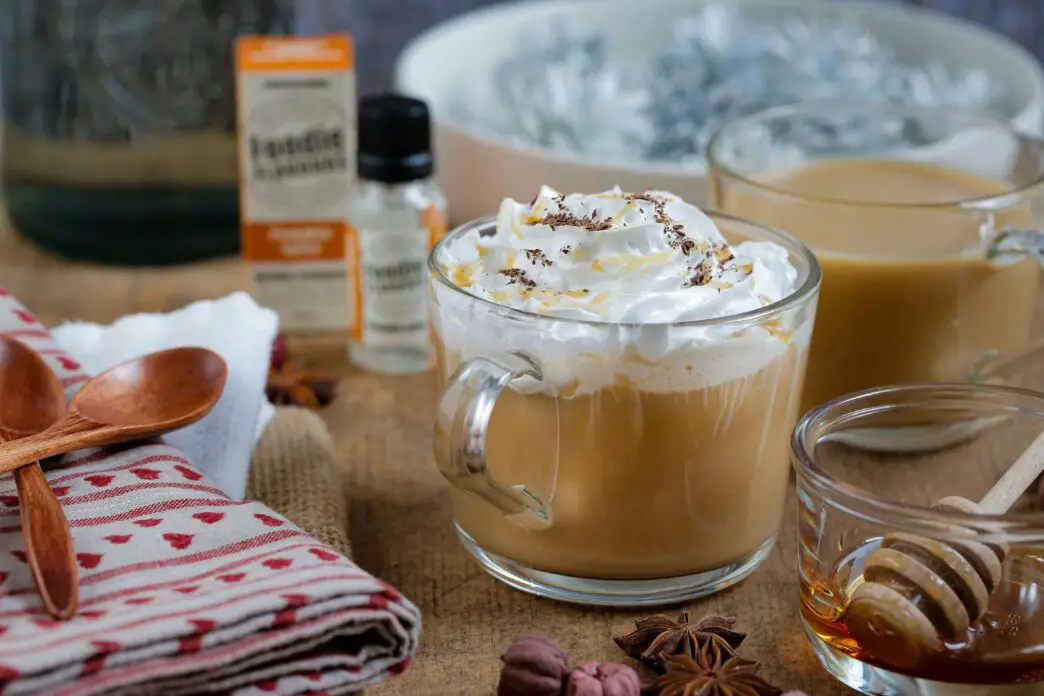
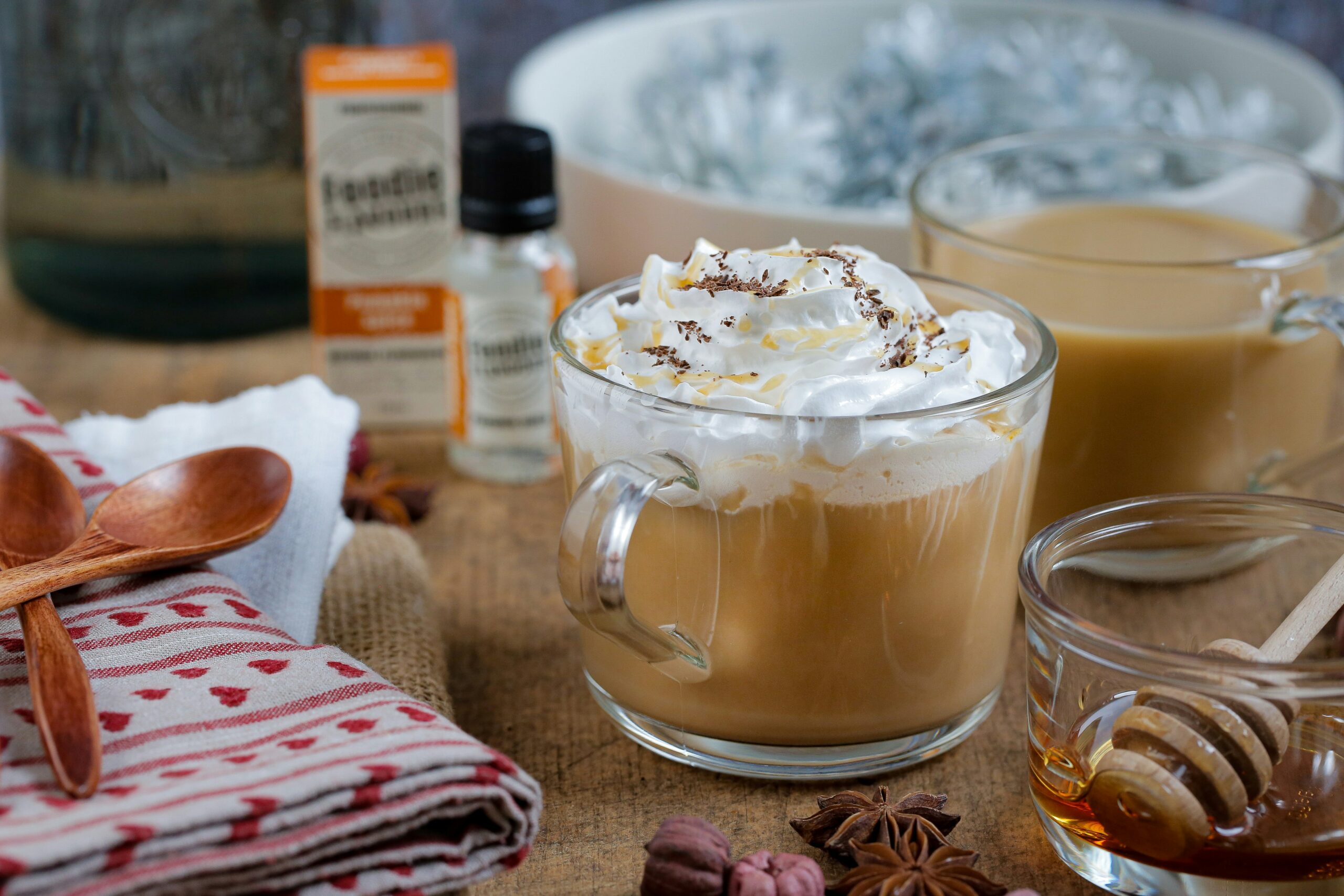
Here is the thing nobody tells you about the coffee shop pumpkin spice latte: it is mostly a sugar delivery system with espresso in it. A large one carries roughly fifty grams of sugar, which is why the third one of the season always tastes a little cloying and a little flat. The coffee disappears underneath it.
The homemade version is not just cheaper. It is a genuinely different drink, because you control the two things the cafe cannot: how sweet the syrup is, and how good the espresso underneath it is. Fifteen minutes of work up front gets you a jar of syrup that lasts two weeks and turns any morning into a pumpkin spice latte in about ninety seconds.
The short version
A pumpkin spice latte is espresso, steamed milk, and a syrup built from real pumpkin puree plus warm baking spices. Make the syrup once, then build the drink in under two minutes any morning you want one.
- Simmer 3 tablespoons pumpkin puree, half a cup of sugar, half a cup of water, and 2 teaspoons pumpkin pie spice for 10 minutes. Strain and cool.
- Pull 2 shots of espresso, or brew 2 ounces of very strong coffee.
- Stir 2 tablespoons of the syrup into the hot espresso until fully dissolved.
- Steam or froth 6 to 8 ounces of milk and pour it in.
- Top with whipped cream and a dusting of the same spice blend.
What is actually in a pumpkin spice latte
The name misleads people. Pumpkin spice is not a pumpkin flavor. It is the spice blend traditionally used in pumpkin pie, and it is the entire reason the drink reads as autumn to your brain. Cinnamon does most of the heavy lifting, with nutmeg, ginger, cloves, and sometimes allspice filling in around it. If you have ever wondered why the drink smells like a bakery, that is why. The same aromatic compounds show up in gingerbread and spiced buns, and your nose has been trained on them since childhood.
So what does the actual pumpkin do? Texture, mostly. Puree adds body and a faint earthy sweetness that keeps the drink from tasting like a cinnamon candle. It is the difference between a latte that feels round in your mouth and one that feels thin and perfumed. This is also why syrup made from pumpkin-flavored concentrate never quite lands, even when the spice ratio is right.
If you want to go deeper on how warm spices interact with coffee, our guide to adding spices to coffee covers the mechanics, and there is a whole case for cinnamon as a standalone addition if you want the aromatic lift without the sugar.
Aroma sits here. You smell this before you taste anything, and it sets the expectation for the whole drink.
Carries sweetness and softens the spice edges. Whole milk gives the roundest result; oat is the best non-dairy match.
The base. Syrup must dissolve into hot espresso before milk goes in, or it settles into sludge at the bottom.
Make the pumpkin spice syrup
Combine half a cup of water, half a cup of sugar, three tablespoons of pumpkin puree, and two teaspoons of pumpkin pie spice in a small saucepan. Bring it to a gentle simmer and hold it there for about ten minutes, stirring now and then. You are doing two things at once: dissolving the sugar and giving the spices time to actually bloom into the liquid. Rushing this is the most common reason homemade syrup tastes dusty rather than warm.
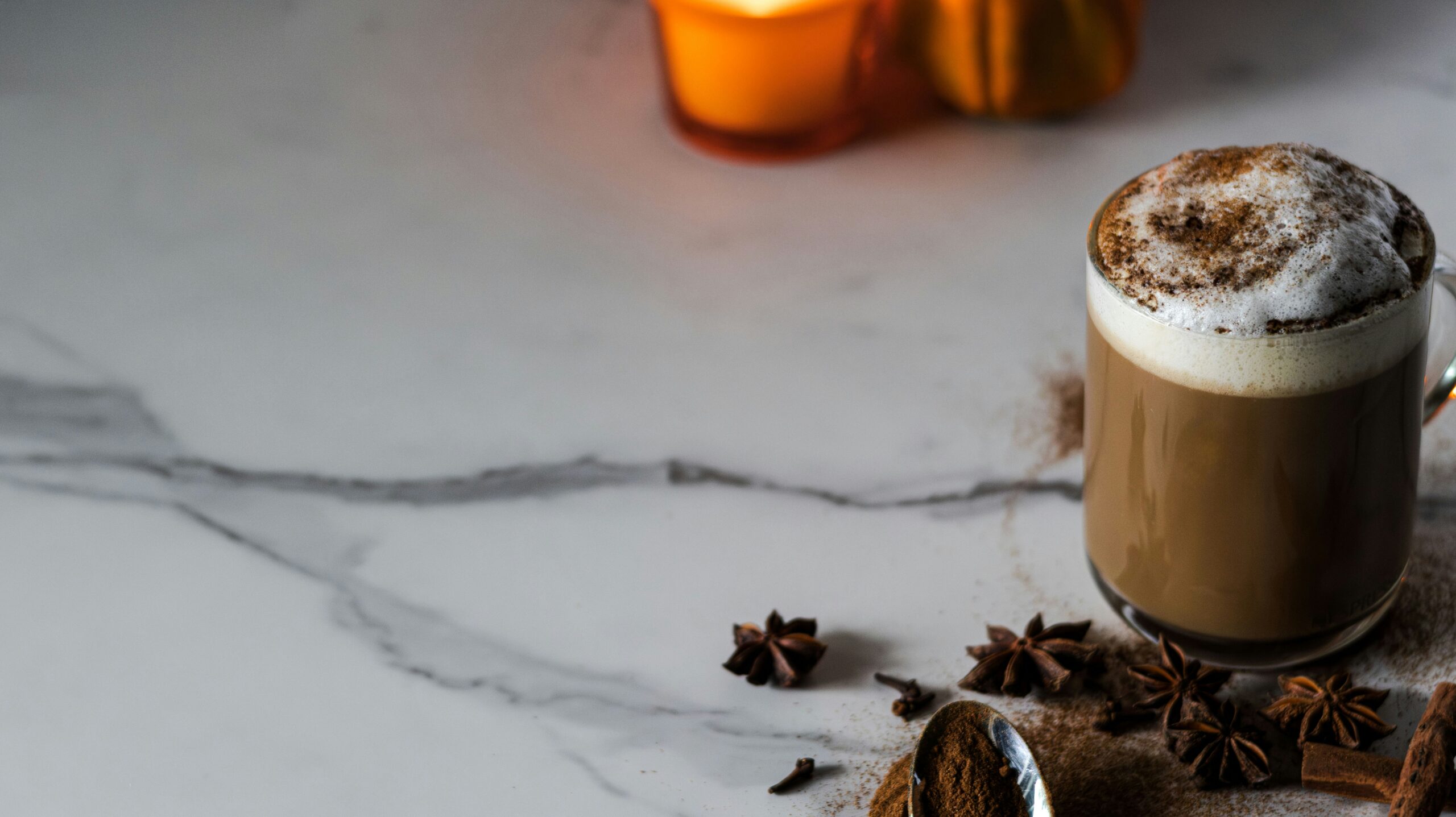
Strain it through a fine mesh sieve. This step is not optional if you want a latte rather than a smoothie, because unstrained puree will leave grit suspended in the milk. Store the syrup in a sealed jar in the fridge, where it keeps for about two weeks. If you would rather buy something off the shelf, our rundown of the best syrups for coffee covers what to look for on a label, though nothing bottled matches the fresh version here.
Two teaspoons of spice is a starting point, not a rule. Taste the syrup once it cools and adjust. Most people want more cinnamon and less clove than a standard blend delivers.
Build the latte
Pull two shots of espresso into your mug and stir in two tablespoons of syrup while the espresso is still hot. Order matters here. Syrup dissolves readily into hot espresso and stubbornly into cold milk, so anyone who has ended up with a sweet sludge at the bottom of the cup added things in the wrong sequence.
No espresso machine is not a problem. There are several ways to make espresso-strength coffee without one, and a moka pot or a concentrated AeroPress brew works fine as the base. What matters is concentration, not pressure. Two ounces of ordinary drip coffee will vanish under the syrup and milk. If you are unsure how to hit espresso strength on whatever brewer you own, our printable coffee-to-water ratio chart has the numbers worked out for every method.
Then steam or froth six to eight ounces of milk and pour it in. If your foam collapses before you finish pouring, our step-by-step guide to frothing milk covers the technique. Whole milk gives the roundest body, and among non-dairy options oat holds up best against the spices. Our milk comparison breaks down how each one behaves under heat.
Hot or iced
Both work, but they are not the same recipe scaled up and down. Warm spices volatilize differently at each temperature, which changes how much syrup you need.
- Syrup
- 2 tablespoons
- Milk
- 6 to 8 oz, steamed to about 150F
- Why it works
- Heat lifts the spice aroma straight out of the cup, so you need less syrup to get the same effect.
- Watch for
- Scalding the milk past 160F, which flattens sweetness and turns the spices bitter.
- Syrup
- 3 tablespoons
- Milk
- 6 oz cold, over plenty of ice
- Why it works
- Cold mutes aroma and perceived sweetness, so the recipe needs more syrup to read the same.
- Watch for
- Melting ice diluting the drink. Stir syrup into the espresso first, then pour over ice last.
Why the homemade one tastes better
Sugar is a mask. At cafe sweetness levels, it flattens the differences between a good espresso and a mediocre one, which is exactly why chains can run a seasonal drink at scale without anyone noticing what is underneath. Pull the sugar back by even a third and the coffee starts showing through again. Suddenly the roast matters, and a nutty medium roast turns out to sit under warm spices far better than a dark roast, whose smoky edge fights the cinnamon.
That is also why the sizing question is worth thinking about. A cafe large is a lot of drink to carry that much sugar, and it is worth knowing what those cup sizes actually contain before you assume bigger is better. At home, an eight to ten ounce mug with two shots gives you a much better ratio of coffee to everything else.
Filling is already sweetened and spiced to someone else’s taste. Buy plain puree, which lists pumpkin as the only ingredient, and control the rest yourself.
Unstrained syrup leaves fibrous grit that settles under the milk. It is the single biggest giveaway that a latte was made at home.
It will not dissolve properly and you will taste sweetness only in the last two sips. Always into hot espresso first.
Roasty bitterness collides with clove and nutmeg. A medium roast with nutty or caramel notes is the better base, and if your shots taste harsh to begin with, our guide to fixing bitter and sour coffee will help more than more syrup will.
Make the syrup on a Sunday and the rest of the season takes care of itself. The first cup will probably still be a little sweeter than you need, and that is fine. Dial the syrup back a half tablespoon at a time until the coffee comes forward. The same patience pays off underneath the syrup too, and if you want the brew itself dialed in rather than guessed at, the ratio guide and printable chart is the shortcut. Get both right and you end up with a drink the cafe version cannot really compete with.