

Adding cinnamon to coffee gives it a warm, sweet aroma and softens bitterness, so many people find they need less sugar. The best way to add it is to mix about ¼ teaspoon of ground cinnamon into the coffee grounds before brewing, because ground cinnamon does not dissolve and clumps if you stir it into a finished cup. You can also brew with a cinnamon stick, use a cinnamon syrup, or dust it over a latte. Keep it to a pinch or two a day, especially with common cassia cinnamon, and choose Ceylon cinnamon if you use it daily. Its health benefits are modest, so add it for flavor first.
How to Add Cinnamon to Coffee
| Method | How | Why it works |
|---|---|---|
| In the grounds | Stir about ¼ tsp ground cinnamon per cup into the coffee grounds before brewing | The best method: flavor brews into the coffee with no gritty clumps |
| Cinnamon stick | Add a stick to a French press or pot while it brews, or stir your cup with one | Gentle, clean flavor; no sediment |
| Cinnamon syrup | Simmer sugar, water and cinnamon sticks; add 1 to 2 tsp per cup | Mixes into hot and iced coffee and sweetens at the same time |
| Mixed with sugar or milk | Mix ground cinnamon with sugar, honey or a little milk first, then stir in | Helps it disperse instead of floating |
| On top | Dust over the foam of a latte or cappuccino | Aroma with every sip; a café classic |
Stirring plain ground cinnamon straight into brewed coffee does not work well: it floats, clumps and leaves grit at the bottom.
When brewing with cinnamon in the grounds, use a little less than you think; too much can slow a paper filter and taste dusty. In a French press, a broken cinnamon stick in with the grounds gives a clean, warm flavor. Cinnamon suits medium and dark roasts best, where it plays off chocolatey and nutty notes.
How Much Cinnamon to Put in Coffee
- One cup (8 to 12 oz): about ⅛ to ¼ teaspoon ground cinnamon in the grounds, or half a stick.
- A full pot (8 to 10 cups): about ½ to 1 teaspoon in the grounds, or one or two sticks.
- A latte: a light dusting on top, plus ⅛ teaspoon mixed into the espresso if you want more.
Start small and adjust. A little cinnamon reads as warm sweetness; too much tastes dusty and can make your mouth feel dry.
Ceylon vs Cassia Cinnamon
| Ceylon (“true” cinnamon) | Cassia | |
|---|---|---|
| Flavor | Mild, sweet, floral, slightly citrusy | Strong, spicy, the classic “cinnamon” taste |
| Where it grows | Mainly Sri Lanka | China, Indonesia, Vietnam |
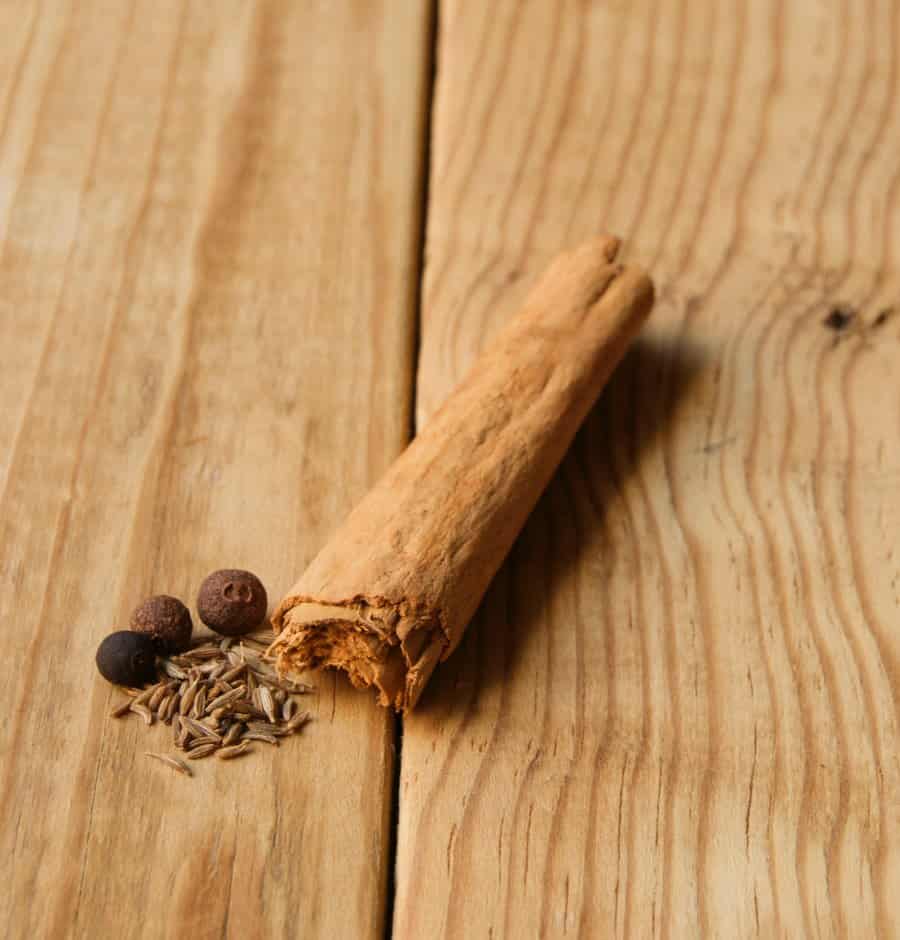
| Sticks | Thin, papery layers rolled like a cigar; crumble easily | Thick, hard single curl |
| Coumarin | Very low | Much higher |
| Price | Higher | Lower; most supermarket cinnamon |
Most cinnamon sold in US supermarkets is cassia. It contains coumarin, a natural compound that in large amounts over time can harm the liver, and European food safety authorities have set a tolerable daily intake for it. A pinch in your coffee is fine, but if you add cinnamon to several cups or foods every day, or use a teaspoon or more daily, Ceylon cinnamon is the safer choice. Ceylon is also the cinnamon used in Mexican café de olla, where its softer flavor shines.
Health Benefits of Cinnamon in Coffee
Cinnamon is often promoted as a superfood, but the evidence is more modest than many articles suggest:
- Less sugar. The most reliable benefit. Cinnamon’s aroma makes coffee taste sweeter, so many people use less sugar or syrup, and a pinch adds almost no calories.
- Antioxidants. Cinnamon is rich in polyphenols, but the amount in a pinch is small next to the antioxidants already in coffee itself.
- Blood sugar. Some studies have found that cinnamon may modestly lower blood sugar in people with type 2 diabetes, while others found no effect. It is not a treatment, and anyone on diabetes medication should talk to their doctor before taking cinnamon in large amounts.
Claims that cinnamon in coffee causes weight loss or cures infections are not supported by good evidence. Enjoy it for the flavor, and treat any health benefit as a bonus.
Cinnamon Coffee Recipes
Cinnamon latte (one 12 oz drink)
About 5 minutes.
- Double espresso or ½ cup strong coffee
- ⅛ tsp ground cinnamon, plus extra for dusting
- 1 to 2 tsp sugar, honey or maple syrup
- 6 to 8 oz milk or a milk alternative
- Mix the cinnamon and sweetener in the bottom of your mug.
- Add the hot espresso or coffee and stir until smooth, so the cinnamon blends instead of clumping.
- Steam or froth the milk and pour it in.
- Dust with cinnamon and serve.
- Cinnamon drip coffee: stir ¼ teaspoon ground cinnamon per cup into the grounds and brew as usual. Add a drop of vanilla extract to the pot for a dessert-like twist.
- Brown sugar cinnamon syrup: make it with our coffee syrup recipe, using brown sugar and a cinnamon stick.
- Café de olla: Mexico’s traditional coffee simmered with cinnamon and piloncillo; see our café de olla recipe.
- Pumpkin spice latte: cinnamon is the backbone of the spice mix in our pumpkin spice latte.
For frothing the milk at home, see our guide on how to froth milk. Other spices work too: cardamom is traditional in Arabic and Turkish coffee, and a tiny pinch of salt also takes the edge off bitterness.
Buying and Storing Cinnamon
Cinnamon is the inner bark of trees in the Cinnamomum family, and it has been traded for thousands of years. Workers peel the bark and let it dry, and it curls into the familiar sticks, or quills; the Food and Agriculture Organization describes how cinnamon and cassia are produced.
Like coffee beans, whole cinnamon sticks keep their flavor much longer than ground cinnamon, which fades within about six months. Buy sticks and grate or grind them as needed, and store both kinds in an airtight jar away from heat and light. Look for “Ceylon” on the label if you want true cinnamon; its sticks are thin, soft layers, while cassia sticks are thick, hard curls. You will find both at most grocery stores or on Amazon.

Former roastery owner and coffee tour operator. Steve spent five years roasting coffee for his own shop and wholesale customers. More about Steve