
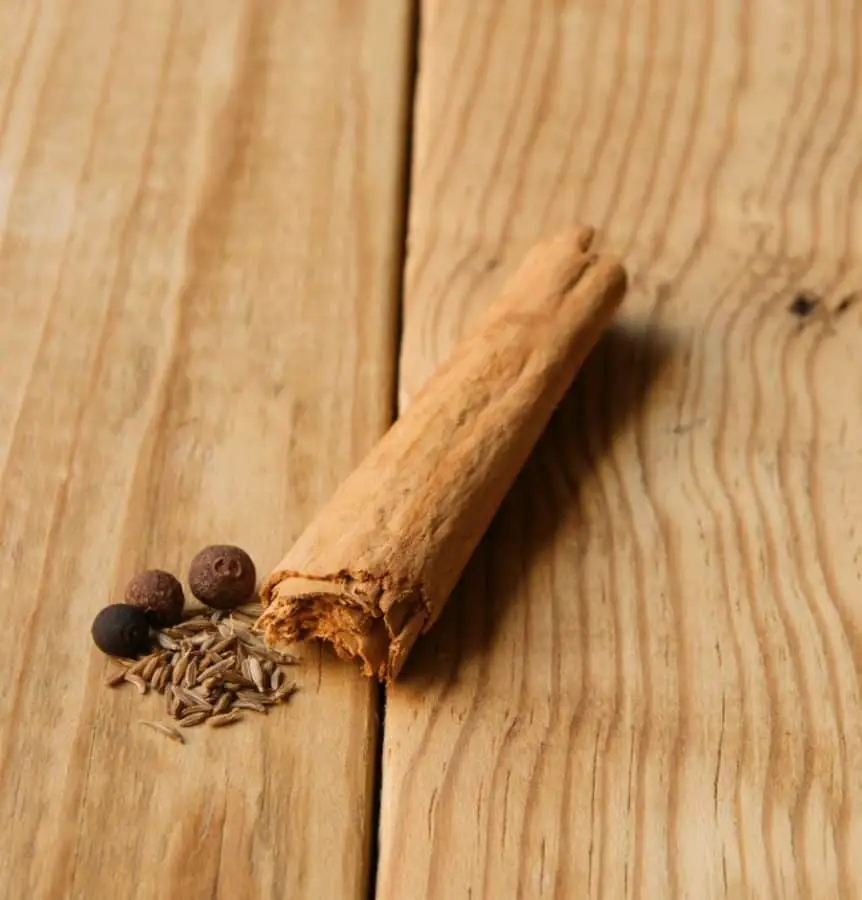
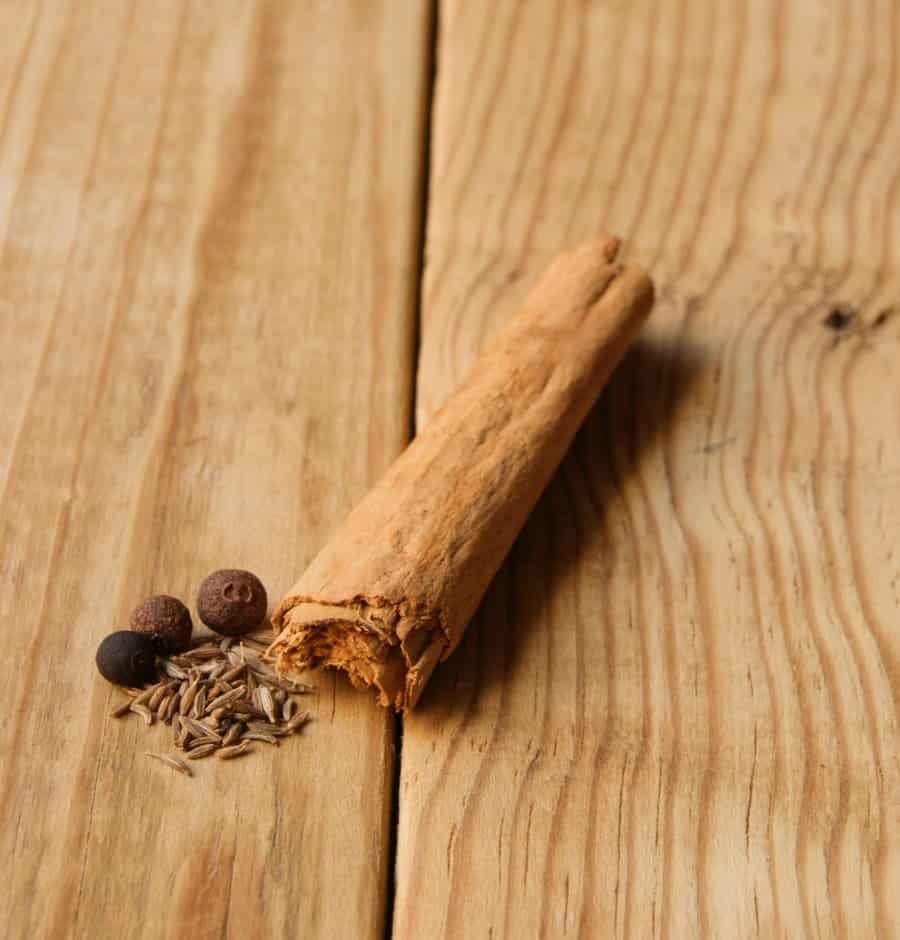
The best spices to add to coffee are cinnamon, cardamom, nutmeg, clove, ginger, allspice, star anise and, in tiny amounts, black pepper. The easiest way to use them is to mix a small pinch of ground spice into the coffee grounds before brewing: about ⅛ to ¼ teaspoon per mug, or up to 1 teaspoon for a 12-cup pot. A little spice adds warmth, makes coffee taste sweeter and softens bitterness without any sugar. The key is restraint: the spice should support the coffee, not bury it.
| Spice | What it adds | Per mug (in the grounds) | Best with |
|---|---|---|---|
| Cinnamon | Warmth and a sense of sweetness | ⅛ tsp | Medium and dark roasts |
| Cardamom | Citrusy, floral, aromatic lift | A small pinch, or 1 crushed pod | Light and medium roasts |
| Nutmeg | Warm, nutty, comforting | A few gratings | Dark roasts, milk drinks |
| Clove | Deep, sweet, intense warmth | A tiny pinch | Chocolatey dark roasts |
| Ginger | Bright, clean heat | A small pinch | Iced coffee, milk drinks |
| Allspice | Cinnamon, clove and nutmeg in one | A pinch | Medium and dark roasts |
| Star anise | Licorice-like depth | 1 pod, infused | Dark roasts, lattes |
| Black pepper | A subtle kick on the finish | 1 or 2 twists per pot | With cardamom or cinnamon |
Ground spice is strong. Start at the low end and add more next time; you cannot take it back once it is brewed.
Why Spices Work in Coffee
Coffee already carries flavors like chocolate, nuts, brown sugar, citrus and berries. Warm spices share many of those aromas, so a small amount can highlight what is already in the cup instead of masking it. Cinnamon and allspice make coffee seem sweeter, cardamom adds a bright lift, nutmeg and clove add depth, and ginger gives a clean edge. The flavor comes from aromatic oils in the spices, which hot water draws out during brewing.
How to Add Spices to Coffee
- In the grounds before brewing (best for most people). The spice brews with the coffee and tastes blended in rather than sprinkled on top. It works with drip, pour-over, French press and AeroPress. Mix it evenly through the grounds so it does not clump in one spot.
- Whole spices in the brewer. A cinnamon stick, crushed cardamom pods or a star anise pod in a French press or stovetop pot give a cleaner flavor with no grit. Remove them before serving.
- Infused milk. For lattes, warm the milk gently with whole spices for 5 minutes, strain, then froth it.
- Stirred into finished coffee. Quick, but ground spices do not dissolve, so you may get a gritty or clumpy cup. Best for a light dusting on top of foam.
- Spiced syrup. Simmer spices in a simple syrup to flavor both hot and iced coffee; see our guide to coffee syrups.
The 8 Best Spices for Coffee
1. Cinnamon
If you try one spice, make it cinnamon. It adds warmth and a natural sense of sweetness, and it can round out a cup that tastes a little bitter or flat. It suits medium and dark roasts, and a tiny amount works with chocolatey light roasts too. Start with ⅛ teaspoon per mug or ½ teaspoon for a 12-cup pot. Ceylon cinnamon is softer and more delicate; cassia, the common supermarket type, is stronger and sharper. Our full guide covers adding cinnamon to coffee.
2. Cardamom
Cardamom is the most underrated coffee spice. It tastes citrusy, herbal and floral at once and adds elegance without sugar. It is traditional in Arabic coffee, often in Turkish coffee, and in the Thai coffee blend used for Thai iced coffee. It suits medium roasts and bright, fruity coffees. Ground cardamom is potent, so start with a very small pinch per cup, or lightly crush one green pod and brew it with the grounds. Too much tastes perfumed.
3. Nutmeg
Nutmeg gives coffee a warm, comforting quality, especially in milk drinks and fuller-bodied coffees. Freshly grated nutmeg has far more aroma and sweetness than pre-ground; a few passes over a microplane is enough for a mug. Keep it to a pinch. Too much tastes heavy, and large amounts of nutmeg are not safe to eat.
4. Clove
Clove is strong, sweet and deeply warming. One tiny pinch in the grounds gives a dark roast more depth, and it blends well with cinnamon and nutmeg. Use it as a supporting spice, not the lead. With coffees that are already smoky or earthy it can push the cup too far, so it works best with chocolatey, naturally sweet coffees.
5. Ginger
Ginger adds brightness and a clean, slightly sharp heat. A small pinch of ground ginger makes coffee taste livelier, and it is excellent in milk drinks and iced coffee. Fresh ginger works when you infuse milk or brew coffee on the stove. On Kenya’s Swahili coast and in Yemen, coffee is traditionally spiced with ginger. It pairs well with cinnamon, cardamom and vanilla.
6. Allspice
Allspice is a single spice, the dried berry of a Caribbean tree, that tastes like a mix of cinnamon, clove and nutmeg. It is a handy shortcut to a warm, spiced cup without opening several jars. Use a pinch with medium or dark roasts; too much can taste medicinal.
7. Star Anise
Star anise has a licorice-like flavor that adds depth to dark coffee and lattes. It is best infused whole rather than ground: steep one pod briefly in warm milk, or add it to a French press. Use less than you think you need.
8. Black Pepper
A tiny amount of black pepper does not make coffee taste peppery. It sharpens the finish and adds a little warmth, and it works best alongside cardamom, cinnamon or clove. One or two twists of finely ground pepper is plenty for a full pot. Senegal’s Café Touba is a traditional spiced coffee built on a peppery spice, grains of Selim.
Spice Blends That Work Well
- Cinnamon and nutmeg: warm and classic, for medium or dark roasts.
- Cardamom and cinnamon: aromatic and balanced, great in pour-over or drip.
- Ginger, cinnamon and clove: bold and warming; use small amounts.
- Nutmeg, clove and allspice: deep and seasonal, good in a French press or with milk.
- Pumpkin pie spice: a ready-made mix of cinnamon, ginger, nutmeg and clove or allspice; see our pumpkin spice latte recipe.
Easy spiced coffee mix
Makes enough for about 25 mugs. Keep it in a small sealed jar.
- 4 tsp ground cinnamon
- 1 tsp ground cardamom
- ½ tsp ground nutmeg
- ½ tsp ground ginger
- ¼ tsp ground clove
- Mix. Stir the spices together and store the jar away from heat and light.
- Add to the grounds. Use ¼ teaspoon of the mix per mug, or about 1 teaspoon for a 12-cup pot, and stir it evenly through the coffee grounds.
- Brew as usual. Drip, pour-over or French press all work. Taste, then adjust the amount next time.
Spices and tools for coffee
- Ceylon cinnamon: softer than cassia and lower in coumarin. Shop on Amazon →
- Green cardamom pods: crush one pod into the grounds. Shop on Amazon →
- Whole nutmeg: grate fresh for the best aroma. Shop on Amazon →
- Microplane grater: for nutmeg and cinnamon sticks. Shop on Amazon →
- Spice grinder: grind whole spices fresh. Shop on Amazon →
As an Amazon Associate we earn from qualifying purchases.
Traditional Spiced Coffees to Try
Many coffee cultures have spiced coffee for centuries. Mexico’s café de olla is brewed in a clay pot with cinnamon and piloncillo sugar. Arabic coffee is light and heavily spiced with cardamom, and sometimes saffron or clove. Turkish coffee is often made with a little cardamom. Café Touba from Senegal is roasted with grains of Selim and sometimes clove. In Yemen, the coffee husk drink qishr is spiced with ginger. Each is a good guide to how much spice a cup can carry.
Which Coffees Pair Best With Spices
- Light roasts: brighter spices like cardamom or ginger keep the bean’s lively character.
- Medium roasts: the most flexible; cinnamon, nutmeg, cardamom and a little clove all work.
- Dark roasts: warming spices like cinnamon, clove, nutmeg and allspice, especially with chocolate, caramel or smoky notes.
- Delicate single origins: go easy. A floral or fruity single-origin coffee already has a lot to say, and spice can flatten it.
Sweetening Spiced Coffee: Brown Sugar and Syrups
Spiced coffee often needs no sugar, but brown sugar suits warm spices well. It keeps some molasses, which adds caramel and toffee notes that go with dark roasts. It has about the same calories as white sugar, roughly 16 to 17 per teaspoon, and dissolves easily in hot coffee. For iced drinks, make a syrup: simmer equal parts brown sugar and water for 3 to 5 minutes, cool, and keep it in the fridge for up to a week.
- Iced brown sugar latte: 2 oz espresso over ice, 2 tablespoons syrup, 4 oz milk and a pinch of cinnamon.
- Brown sugar cinnamon coffee: 1 tablespoon brown sugar and ¼ teaspoon cinnamon in the mug, 6 oz hot coffee poured over, then frothed milk on top.
Hard brown sugar softens overnight with a slice of bread in the container.
Mistakes to Avoid
- Using too much. Coffee should still taste like coffee. Start with a pinch.
- Stale spices. Ground spices lose aroma within months. Buy small jars, or grind and grate whole spices yourself.
- Clogged filters. Very fine spice can slow a drip or pour-over filter. Use small amounts, or whole spices in a French press.
- Heavy daily cassia. Cassia cinnamon contains coumarin, which can be harmful in large daily amounts. If you add cinnamon every day, a pinch is fine, or use Ceylon.
- Assuming spice means sweet. Some of the best spiced coffees have no sugar at all.
The Easiest Way to Start
Add a small pinch of cinnamon and an even smaller pinch of cardamom to your coffee grounds before brewing. That is it. From there, adjust to taste: for more warmth, add a touch of nutmeg; for more brightness, lean into cardamom; for more depth, try the tiniest bit of clove.

Former roastery owner and coffee tour operator. Steve spent five years roasting coffee for his own shop and wholesale customers. More about Steve