
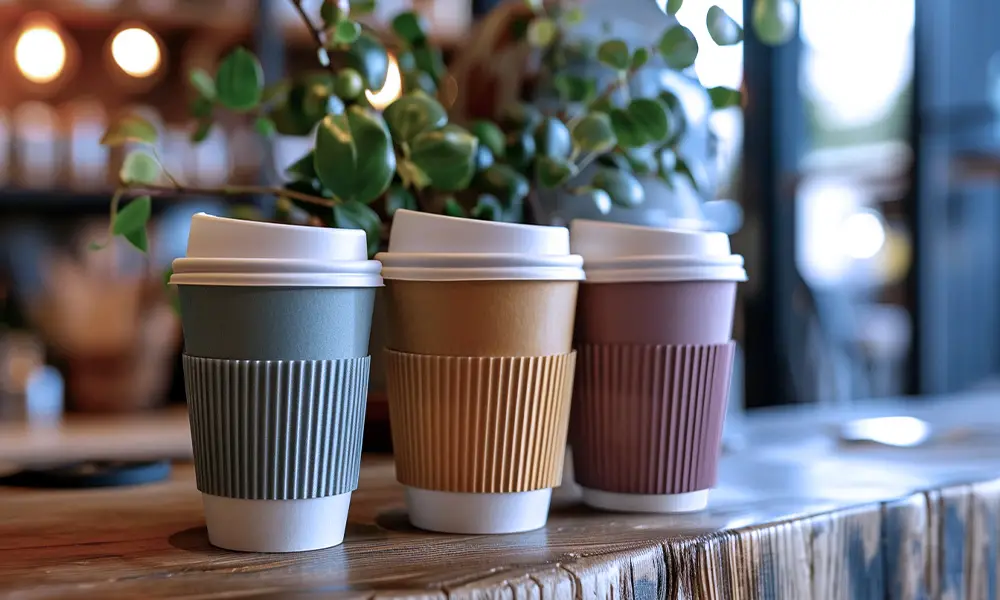
A reusable coffee cup is worth it if you actually keep using it. Life-cycle studies put the break-even point for a plastic (polypropylene) or glass cup at roughly 10 to 41 uses, compared with a plastic-lined paper cup. After that, every refill is a win. Plastic is the lightest and cheapest, glass gives the cleanest taste, and insulated stainless steel keeps coffee hot the longest.
| Material | Best for | Watch out for |
|---|---|---|
| Plastic (polypropylene) | Light, cheap, hard to break | Can hold smells; replace when scratched |
| Glass | Clean taste, easy to see if it’s clean | Breakable; little insulation |
| Insulated stainless steel | Keeping coffee hot on a commute | Heavier; body usually hand-wash only |
| Ceramic | Taste and feel of a real mug | Heavy, breakable; needs the most uses to pay off |
| “Bamboo” composite | Looks natural | Usually bamboo bound with melamine plastic; see below |
Are Reusable Coffee Cups Worth It?
Yes, but only with use. A reusable cup takes more material and energy to make than a single paper cup, and it has to be washed. It pays that back by replacing disposable cups, one refill at a time. Zero Waste Scotland’s summary of three life-cycle studies puts the break-even point for a reusable polypropylene cup at 10 to 41 uses, with glass very similar. Ceramic takes more uses because it is heavy and energy-intensive to make. A cup that sits in a cupboard never pays off.
The waste it replaces is real. Most takeaway cups are paper lined with plastic, which ordinary recycling plants can’t separate. In 2018, a UK parliamentary committee reported that the country threw away about 2.5 billion coffee cups a year and recycled fewer than 1 in 400.
To get the most from your cup, use one cup for years, wash it in water that is warm rather than scalding, and skip a separate dishwasher run just for the cup. For more ways to cut waste, see our guides to eco-friendly coffee and reusing coffee filters.
Best Materials for Reusable Coffee Cups
Plastic
Most plastic reusable cups are polypropylene, a tough, light plastic that is BPA-free. It is the cheapest option and the one you can drop. The downsides: it can pick up coffee smells over time, and scratches make it harder to clean, so replace a cup once it looks cloudy or worn. If you would rather keep hot drinks out of plastic altogether, choose glass, steel or ceramic.
Glass
Glass doesn’t hold flavors or smells, so coffee tastes the way it should. Most glass cups use toughened glass with a silicone or cork band so you can hold them when they’re hot. They break if dropped on a hard floor and keep coffee warm only a little longer than paper.
Insulated Stainless Steel
Double-walled, vacuum-insulated steel keeps coffee hot far longer than any other material, which makes it the best choice for long commutes and travel. It is heavier, and the insulated body is often hand-wash only. Never put a steel cup in the microwave.
Ceramic
Ceramic travel mugs feel and taste like a home mug. They are heavy and breakable, and because ceramic takes the most energy to make, you need to use it more times than plastic or glass before it pays off. It is a good choice for the office, less so for a bag.
Bamboo
Most “bamboo” cups are not pure bamboo. They are bamboo fiber bound with melamine plastic, which can release chemicals into hot drinks, especially as the cup ages. In 2021, EU countries began pulling these cups from sale for food use. Skip them and choose one of the materials above.
Popular Reusable Coffee Cups
As an Amazon Associate, Craft Coffee Guru earns from qualifying purchases.
Three well-known cups, one for each main material:
- KeepCup Brew Cork: a glass cup with a cork band and a splash-proof lid. KeepCup sizes match standard café cup sizes, so baristas can pour into it easily. Little insulation.
- JOCO Cup: a glass cup with a silicone lid and grip band, in several sizes. A good choice if you care most about taste.
- Klean Kanteen TKWide insulated tumbler: vacuum-insulated stainless steel with a leak-resistant lid. The pick if you need your coffee to stay hot.
What to Look for in a Reusable Cup
- Size: 8, 12 and 16 oz match café cup sizes, so the barista can pour your usual drink straight in.
- Lid: “splash-proof” lids stop drips while you walk; “leak-proof” lids can go in a bag. Check which you are getting.
- Fit: make sure it fits under your espresso machine or drip brewer and in your car’s cup holder.
- Insulation: needed only if you drink slowly or travel far.
- Easy cleaning: a wide mouth and a lid that comes apart make it much easier to keep fresh.
- Spare parts: some brands sell replacement lids and seals, which keeps the cup in use for longer.
How to Clean a Reusable Coffee Cup
Keep your cup fresh
Every day, plus a weekly deep clean
- Rinse right away. Rinse the cup and lid as soon as you finish, before milk or coffee can dry on.
- Take the lid apart. Pop out any slider and the silicone seal. This is where smells and mold hide.
- Wash with warm, soapy water. Use a soft sponge or bottle brush; abrasive pads scratch plastic and steel.
- Dry it in pieces. Let the cup, lid and seal air-dry apart before putting the lid back on.
- Deep clean weekly. For stains, scrub with a paste of baking soda and water. For smells, soak the parts in one part white vinegar to three parts warm water for 30 minutes, then rinse well.
Many plastic and glass cups and most lids are top-rack safe. Insulated steel bodies usually are not, because heat can damage the vacuum seal. Follow the maker’s label.
Chlorine bleach can pit stainless steel. Baking soda or a cleaner made for steel bottles is safer.
A cracked lid or a seal that smells even after soaking is time to replace.
Coffee on your clothes rather than the cup? Here’s how to remove coffee stains. And our guide to cleaning a coffee maker covers the brewer itself.
Using Your Own Cup at a Coffee Shop
Most coffee shops will fill a clean reusable cup. Starbucks, for example, accepts personal cups in US stores, at the drive-thru and for mobile orders. Some cafés also give a small discount or loyalty reward for bringing your own; ask at the counter. Hand the cup over clean, with the lid off, and order a size that matches it. Our guide to finding good specialty coffee shops has more café tips.
Reusable Coffee Cup FAQ
Are reusable coffee cups better for the environment?
Yes, once you have used one enough times: roughly 10 to 41 uses for plastic or glass, more for ceramic. The more years you keep the same cup, the bigger the benefit.
Are plastic reusable cups safe?
Cups made for hot drinks are usually BPA-free polypropylene, which is the standard for reusable plastic cups. Replace one when it is badly scratched or cloudy. If you prefer no plastic, glass and stainless steel are good alternatives.
Can you microwave a reusable coffee cup?
Never microwave stainless steel. Some glass and ceramic cups are microwave-safe without the lid; check the label. If your coffee has gone cold, here’s the best way to reheat it.
How long does a reusable coffee cup last?
With care, several years. Lids and seals usually wear out first, so a cup with replaceable parts lasts longest.
For more on coffee and the environment, see our guides to ethically sourced coffee and coffee certifications.
Sources: Zero Waste Scotland: environmental benefits of reusable plastic cups; Daily Coffee News: UK legislators propose latte levy (2018); NBC News: Starbucks accepts reusable cups for drive-thru and mobile orders; SGS: EU member states prohibit bamboo-melamine food contact plastics (2021).
Former roastery owner and coffee tour operator. Steve spent five years roasting coffee for his own shop and wholesale customers. More about Steve