
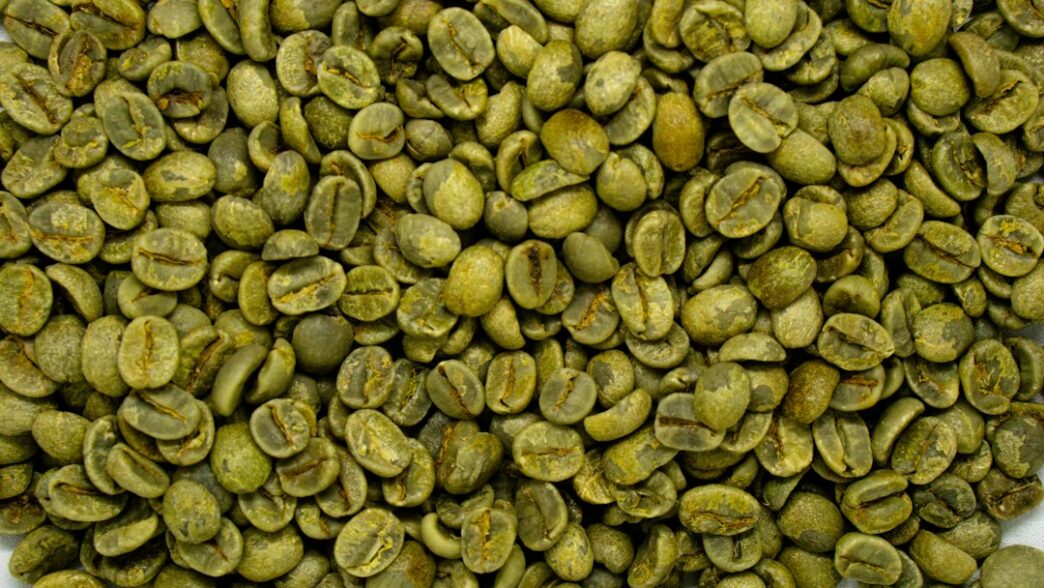
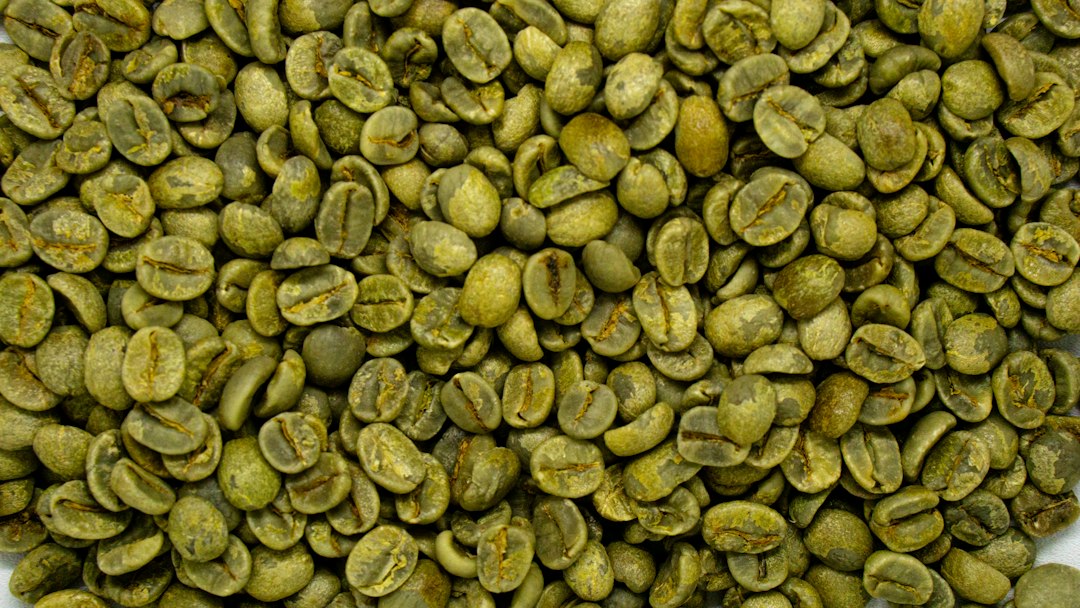
Every coffee bean you’ve ever brewed started out pale, hard and grassy-smelling. Green coffee is coffee before the roaster gets to it: the raw seed of the coffee cherry, cleaned, dried and ready to ship. It’s what roasters buy, what importers trade, and what you’ll be working with if you ever try roasting at home.
What Is Green Coffee?
Green coffee in short
Green coffee beans are unroasted coffee seeds. They’ve been picked, stripped of their fruit, dried and hulled, but not yet roasted. They’re dense, pale green to yellowish, smell like grass or peas, and keep for months instead of weeks. Roasting turns them brown and creates almost all of coffee’s flavor and aroma.
- Roasters buy coffee green, by origin, process and grade.
- Green beans stay fresh for roughly 6 to 12 months.
- They lose about 15 to 20 percent of their weight in the roaster.
- You can brew them, but the drink tastes nothing like coffee.
From Coffee Cherry to Green Bean
Coffee grows as a cherry, usually with two seeds inside. Before those seeds can travel, the farm or mill has to remove everything around them and dry them down to a stable moisture level, around 10 to 12 percent. How that’s done is the processing method, and it shapes flavor as much as the roast does:
Red fruit with skin, pulp and sticky mucilage around two seeds.
Fruit removed or dried on the seed, depending on the process.
A papery husk still wraps each seed while it rests and dries.
Hulled, sorted and graded. This is what gets bagged and exported.
Heat turns it brown, dry and brittle, and builds the flavor.
Inside the green bean you’ll still find a thin, clingy layer called the silverskin. It flakes off during roasting as chaff. Our guide to coffee bean anatomy shows every layer from skin to seed.
What Roasting Changes
A green bean has almost none of the flavor you think of as coffee. Roasting drives off water, browns sugars and amino acids, and creates hundreds of aroma compounds that didn’t exist before. Here’s how the two compare:
- Look and feel
- Pale green to yellow, rock hard
- Smell and taste
- Grassy, pea-like, herbal
- Moisture
- About 10 to 12 percent
- Chlorogenic acids
- High, roughly 5 to 10 percent of dry weight
- Caffeine
- About the same as roasted
- Keeps for
- Roughly 6 to 12 months
- Look and feel
- Brown, lighter, brittle
- Smell and taste
- Caramel, chocolate, fruit, roast
- Moisture
- Low, a few percent
- Chlorogenic acids
- Much lower, and lower the darker the roast
- Caffeine
- Barely changed by roasting
- Keeps for
- A few weeks at their best
That shelf life gap is why the coffee trade ships green. It’s also why the coffee C market prices coffee as green beans, not roasted. Once a bean is roasted the clock speeds up, which is why roasters roast in small batches and roast level matters so much to flavor.

Buying Green Coffee for Home Roasting
Roasting your own coffee starts with buying green beans, usually from importers and specialty shops that sell in 1 to 5 pound bags. Green coffee typically costs less per pound than roasted, but you lose weight in the roaster: a pound of green comes out at roughly 13 ounces roasted. When you shop, look for:
- Harvest or arrival date. The most important detail. Current-crop coffee roasts and tastes noticeably better than beans that have sat for a year or more.
- Process. Washed coffees roast more evenly and taste clean. Naturals and honeys are fruitier but easier to scorch.
- Species and grade. Most home roasters stick to Arabica. Grades like AA, SHB or a screen size tell you about bean size and density, and even-sized beans roast more evenly.
- Quantity. Buy what you can roast in a few months. Starting with a sampler of three or four origins is the fastest way to learn what you like.
Ready to try it? Our guide to roasting coffee at home walks through your first batch, from a skillet or popcorn popper to a dedicated roaster.
How to Store Green Coffee Beans
Green coffee is stable, but not forever. Most roasters treat it as fresh for six months to a year after processing. After that it drifts toward flat, papery, woody or straw-like flavors, a profile the trade calls “past crop.” Keep it at a steady room temperature, out of sunlight and away from humidity. The bag it ships in, or a lidded bin in a cool cupboard, works well. Skip the fridge and freezer: condensation is the bigger risk.
Can You Drink Green Coffee?
Yes, though it’s not coffee as you know it. Green beans are too hard for most home grinders, so people either buy green coffee already ground or soak and blend the beans, then steep or simmer them and strain. The result tastes grassy and herbal, closer to a mild tea than to anything roasted. It has about the same caffeine per gram as regular coffee, so treat it the same way. See how much caffeine is in coffee for a sense of scale.
Green Coffee Extract and Weight Loss
Green coffee extract became a supplement craze after it was promoted on daytime TV as a fat burner. The pitch rested on chlorogenic acids, which green beans have far more of than roasted ones. The evidence never caught up with the marketing. The best-known trial behind the hype was retracted by its authors, the company that sponsored it settled with the FTC over its weight-loss claims, and reviews of the remaining studies describe them as small and low quality.
In short, there’s no good evidence that green coffee helps you lose weight. If you want to try green coffee, try it for the taste or the curiosity, not as a diet aid. Talk to your doctor before taking any caffeine-based supplement, especially if you’re pregnant or on medication.
Common Green Coffee Mistakes
Green coffee keeps, but it doesn’t improve. Buy for the next few months and you’ll roast better beans.
Green beans are far harder than roasted ones and can damage a home grinder. Buy pre-ground green coffee if you want to brew it.
Roasting releases papery chaff that flies everywhere. Roast outdoors or under a strong hood, and clean it out before it builds up.
Green coffee extract’s weight-loss reputation came from marketing, not solid research.
Green coffee is where every cup starts. Learn to read a green bean’s origin, process and age, and you’ll understand a lot more about what ends up in your mug, whether you roast it yourself or not.
Former roastery owner and coffee tour operator. Steve spent five years roasting coffee for his own shop and wholesale customers. More about Steve