

A coffee aisle, or a roaster’s shelf, can feel like a wall of words: origins, processes, roast levels, tasting notes that promise blueberries and jasmine. You don’t need to decode all of it. Three questions get you to a good bag almost every time: what you want the cup to taste like, how you brew it, and how fresh the beans are.
How to Choose Coffee Beans: The Short Version
Three questions, one good bag
To choose coffee beans, start with the flavor you want, then pick an origin, process and roast level that usually deliver it, match the roast to your brewer, and buy whole beans with a recent roast date.
- Flavor: chocolate and nuts, bright and fruity, or bold enough for milk?
- Brewer: pour-over and drip suit lighter roasts; French press, moka pot and espresso handle darker ones.
- Freshness: whole beans, roasted within the last few weeks, in an amount you’ll finish in two or three.
Start With the Flavor You Want
Think about the coffee you already like, or the flavors you like in general. Most coffees fall into one of three broad lanes, and each lane has origins and roasts that reliably land there. Our guide to coffee flavor profiles by origin goes region by region.
- Look for
- Brazil, Colombia, Guatemala, Costa Rica, or a house blend
- Process
- Washed, honey, or natural Brazil
- Roast
- Medium
- Tastes like
- Round, sweet, low to moderate acidity
- Look for
- Ethiopia, Kenya, Rwanda, Burundi
- Process
- Washed for tea-like and floral, natural for berries
- Roast
- Light to light-medium
- Tastes like
- Juicy, lively, lighter body
- Look for
- Espresso blends, Sumatra, natural Brazil
- Process
- Natural or wet-hulled for body
- Roast
- Medium-dark to dark
- Tastes like
- Cocoa, spice, roast, syrupy texture
Process often matters as much as country. Washed coffees taste cleaner and brighter, naturals fruitier and heavier, and honey-processed coffees sit in between. See coffee processing methods for how each one works. If you want to taste one place clearly, choose a single origin; if you want consistency and balance, a blend is built for that. Our guide to single origin coffee vs blends covers the trade-offs.
Match the Roast to Your Brewer
Roast level changes how easily coffee extracts. Light roasts are dense and need more heat and time to taste sweet, which suits pour-over and careful drip brewing. Darker roasts extract quickly and carry heavy body, which suits immersion, moka pots and espresso with milk. These are starting points, not rules:
There’s no such thing as an “espresso bean”: any coffee can be pulled as espresso, and bags labeled “espresso roast” are simply roasted with espresso in mind, usually medium to dark. If you mostly drink lattes and cappuccinos, an espresso blend is the safest buy. If you’re unsure what your brewer likes, a medium roast is the most forgiving starting point. Our roast levels guide explains what changes from light to dark, and the brewing methods guide has grind, ratio and time for each brewer.
What to Check on the Bag
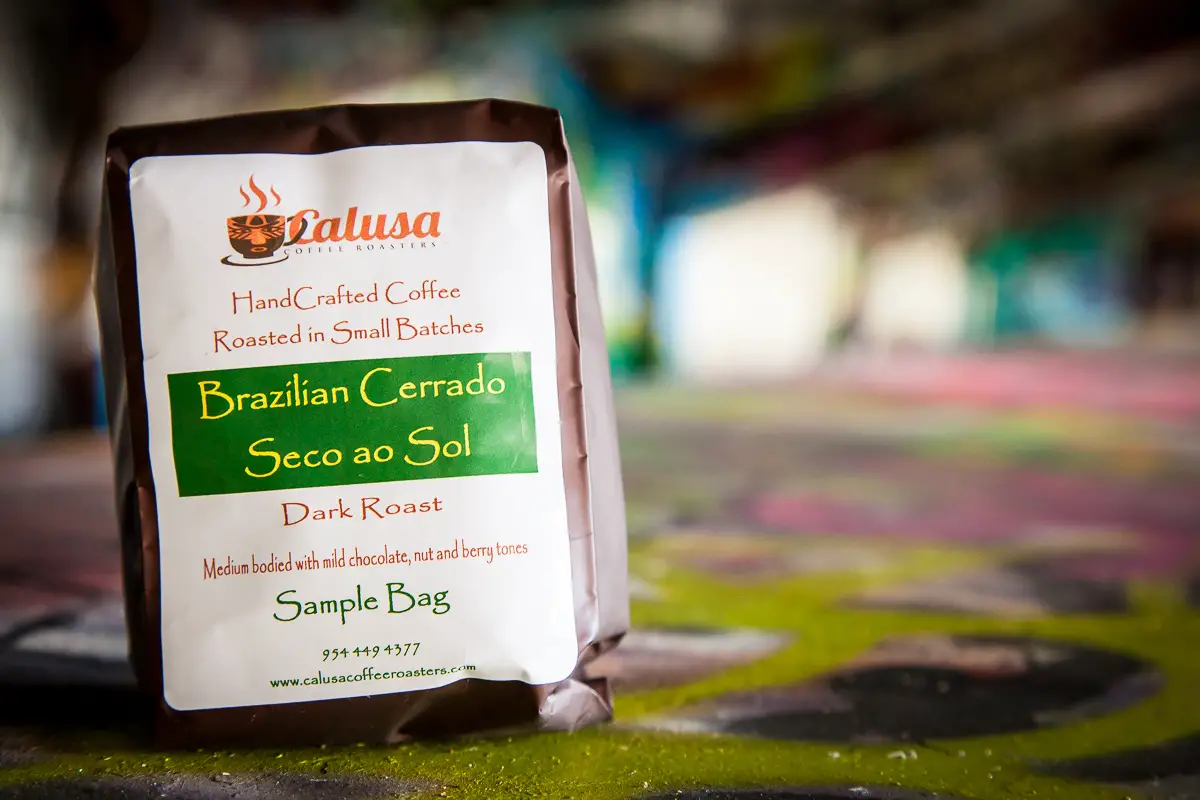
- A roast date. The single most useful detail. A “best by” date a year out tells you almost nothing about flavor.
- Origin detail. A country is a start; a region, farm or cooperative name usually signals more careful sourcing.
- Process and roast level. Together these predict the cup better than tasting notes do.
- Species. Most specialty coffee is Arabica. Robusta shows up in some espresso blends for body and crema. See Arabica vs Robusta.
- Whole bean and a one-way valve. The valve lets gas out without letting air in.
For everything else on a label, from variety names to altitude, our guide to reading a coffee bag label walks through it line by line.
Freshness Beats Almost Everything
A great coffee that’s months past roasting will taste flatter than a decent one roasted last week. Aim for beans used within roughly two to four weeks of their roast date, and buy amounts you’ll finish in that window. Very fresh beans can taste sharp for the first few days while they release gas, so don’t judge a bag on day one. Buying whole bean instead of ground and grinding just before brewing keeps flavor longest, and a local roaster is often the easiest source of genuinely fresh coffee. Then store your beans airtight, dark and cool.
Decaf and Ethical Buying
Choose decaf the same way you’d choose regular coffee, and add one more question: how was it decaffeinated? Swiss Water, sugarcane (EA) and CO2 methods are common in specialty decaf. Our guide to how decaf is made explains the differences. If sourcing matters to you, certifications help, but roasters that name the farm, mill and price paid often tell you more. See how to choose ethically sourced beans.
Build a Simple Buying Habit
Keep two bags going: an everyday coffee that suits your main brewer, and one bag that explores a different lane. A medium-roast Colombia for weekday drip and a washed Ethiopia for weekend pour-over is a classic pair. After each bag, jot down three words about it, such as sweet, bright or heavy, so you know what to buy again. A coffee subscription can do the exploring for you.
Common Mistakes When Buying Coffee Beans
“Blueberry” on the bag means the roaster tasted a hint of it. Origin, process and roast tell you far more about the cup.
Dark roasts taste bolder, but they don’t carry more caffeine. Strength comes from how much coffee you use.
A bag with no roast date, or only a far-off best-by date, has often been sitting for months.
A big bag is cheaper per pound but goes stale before you finish it. Buy what you’ll use in a few weeks.
A new coffee may need a grind or ratio tweak. Give it two or three brews before deciding you don’t like it.
Start with flavor, match the roast to your brewer, and buy it fresh. Every bag after that teaches you something, and within a few months you’ll know exactly what to reach for.
Former roastery owner and coffee tour operator. Steve spent five years roasting coffee for his own shop and wholesale customers. More about Steve