


White coffee is coffee roasted much lighter than any normal roast: the beans are taken out of the roaster at about 325°F, before they reach first crack, so they stay pale tan instead of turning brown. It tastes nutty, earthy and tangy, with almost no bitterness and a thin body, and it is usually ground very fine and brewed as espresso, often with milk. Despite popular claims, it has about the same caffeine as other roasts. The name is confusing, though: in Malaysia, “white coffee” means Ipoh white coffee, a margarine-roasted coffee served with condensed milk; in Britain and Australia it simply means coffee with milk; and Lebanese “white coffee” contains no coffee at all.
| Name | What it is | Contains coffee? |
|---|---|---|
| White coffee (US specialty) | Beans roasted very lightly, at about 325°F, then ground fine and brewed as espresso | Yes |
| Yemeni white coffee | Lightly roasted beans brewed with hawaij, a spice blend of cardamom, ginger and cinnamon | Yes |
| Malaysian Ipoh white coffee | Beans roasted with margarine and little or no sugar, served with condensed milk | Yes |
| “White coffee” in the UK, Ireland, Australia | Any coffee with milk added, as in “black or white?” | Yes |
| Lebanese white coffee (ahweh baida) | Hot water with a splash of orange blossom water, served after meals | No |
How White Coffee Is Roasted
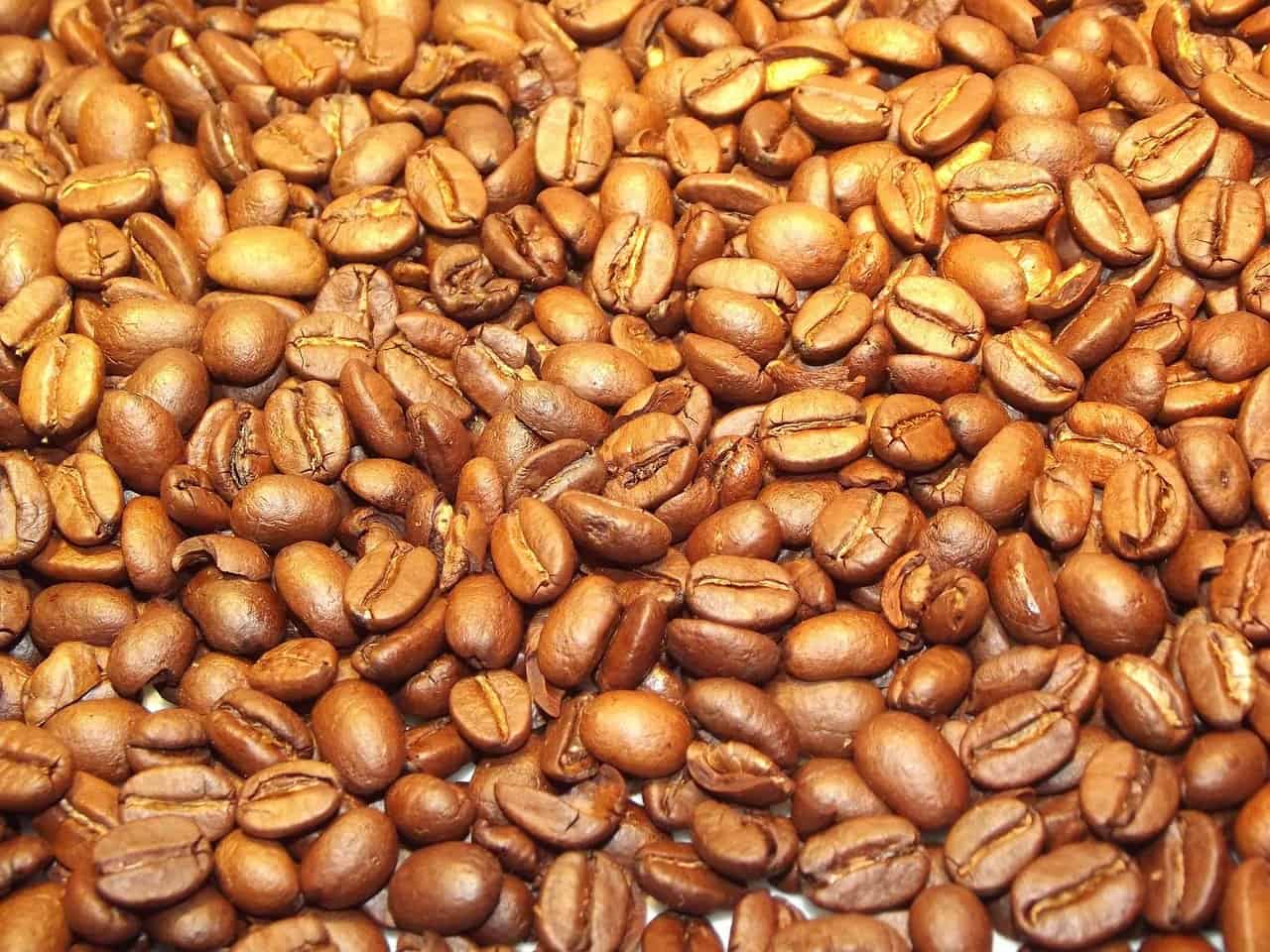
White coffee starts with the same green coffee as any other roast, usually Arabica. The difference is how far it is roasted. A normal light roast is taken to first crack, around 385°F, when the beans pop, expand and turn light brown. White coffee is pulled earlier, at about 325°F, so the beans barely change color and never develop the caramelized sugars that give regular coffee its chocolate and caramel notes. See our guide to coffee roast levels to compare.
Because the beans never crack and expand, they stay extremely dense and hard. That is the biggest practical difference for buyers: whole white coffee beans can damage a home grinder, especially one with ceramic burrs, so most white coffee is sold already ground fine.
What Does White Coffee Taste Like?
- Nutty: the most common description, often compared to peanuts or toasted grain.
- Earthy and herbal: some drinkers notice grassy or tea-like notes, a sign of how little the beans are roasted.
- Tangy: a bright, slightly sour edge, since the acids that roasting normally breaks down are still there.
- Low bitterness: without dark-roast compounds, the cup is not bitter or smoky.
- Thin body: it feels lighter in the mouth than regular espresso, which is why it is so often served with milk.
Does White Coffee Have More Caffeine?
Not much. Sellers sometimes claim white coffee has 50% or more caffeine than regular coffee, but caffeine is very stable during roasting, so gram for gram, white coffee has about the same caffeine as other roasts, perhaps a few percent more. Because the beans are dense, a scoop of white coffee may hold slightly more coffee than a scoop of dark roast, but the difference is small. What really sets your caffeine is how much coffee you use and whether it is Arabica or Robusta; see how much caffeine is in a cup of coffee.
Is White Coffee Healthier?
Green coffee is rich in chlorogenic acids, antioxidants that make up about 4 to 8% of an Arabica bean, and roasting breaks them down, so the lighter the roast, the more remain. White coffee therefore keeps more of them than darker roasts. But there is little research on white coffee itself, so treat claims about detox, weight loss or heart health with caution. It is a different flavor, not a health drink. Read more about what is inside a coffee bean.
How to Brew White Coffee
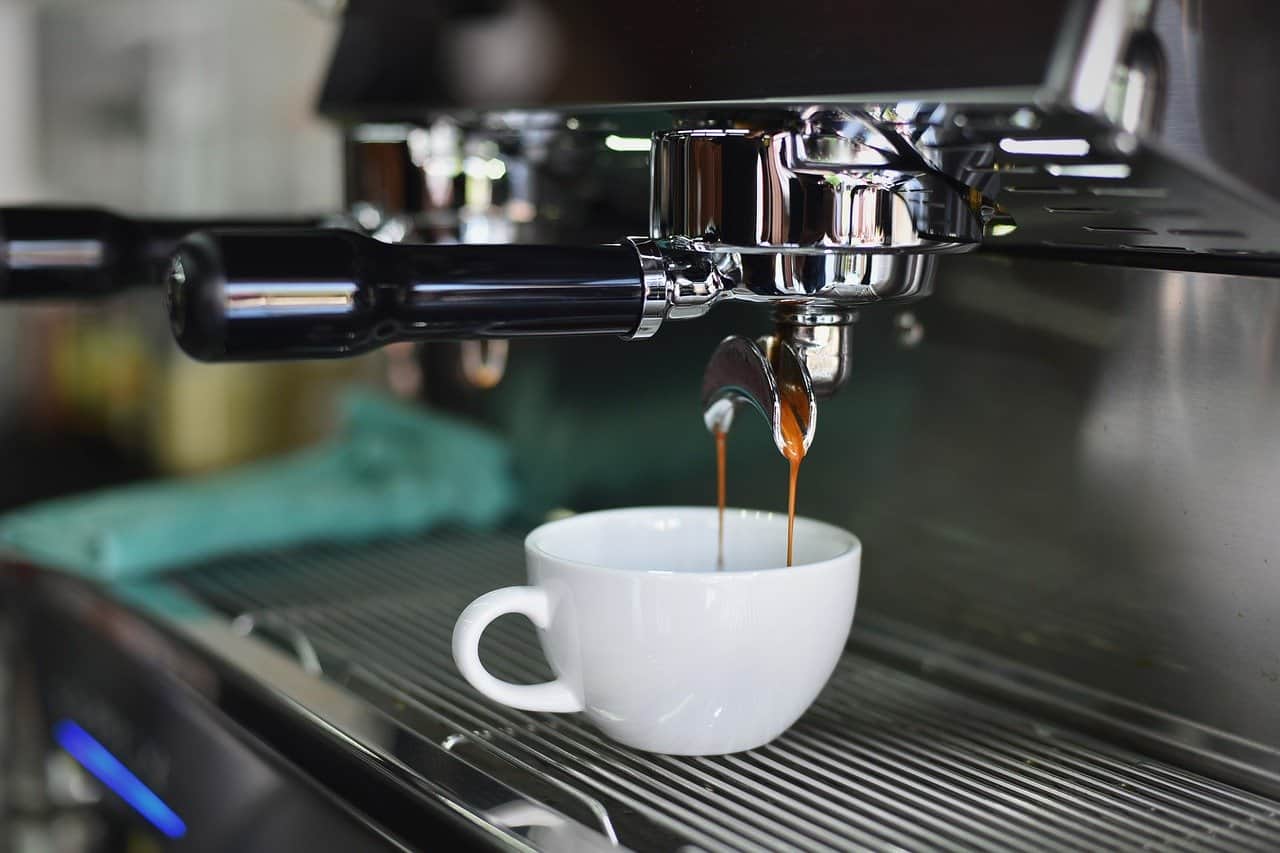
- Espresso (best): pressure brewing pulls the most flavor out of such a dense, lightly roasted coffee. Most white coffee is sold ground for espresso, and it is usually served as a latte or a shot over milk rather than straight. See what is espresso.
- Moka pot or AeroPress: both make a strong, concentrated cup and work well with fine-ground white coffee. See our moka pot guide and AeroPress methods.
- Drip or pour-over: possible, but the cup tastes thin. Use more coffee than usual, around 1:13 instead of 1:16, and water at 200 to 205°F.
- Grinding: buy it pre-ground, or ask the roaster to grind it for you, unless your grinder’s maker says it can handle very light roasts.
White coffee goes well with milk and with warm spices. Try it as a latte with oat or almond milk (see the best milk for coffee), or the Yemeni way with cardamom, ginger and cinnamon; see adding spices to coffee.
Where Does White Coffee Come From?
Very lightly roasted coffee is usually traced to Yemen, where beans are roasted lightly at home and brewed with hawaij, a spice blend whose name means “mixture” in Arabic, typically with cardamom, ginger, cinnamon and cloves. Yemen is also where coffee drinking began; see our Yemen coffee guide. In the United States, white coffee became a specialty-café trend, and chains such as Dutch Bros have added it to their menus.
White Coffee vs Malaysian Ipoh White Coffee
Ipoh white coffee, from the town of Ipoh in Malaysia, is a different drink. Its beans are roasted with margarine and little or no sugar, and less dark than Malaysia’s traditional sugar-roasted kopi, then served with sweetened condensed milk, so it is creamy, smooth and less bitter. The “white” refers to the lighter roast and creamy color, not to a pale bean. It is now sold worldwide as 3-in-1 instant sachets. Read more in our guide to Malaysian kopi.
Where to Buy White Coffee
White coffee is hard to roast well, so it is sold by fewer roasters than regular coffee. Ask a local roaster whether they make it, or try these online options:
- Willards White Coffee: available in 16oz or 32oz bags.
- Caffe Appassionato: offers a 2lb bag for frequent drinkers.
Check whether a bag is whole bean or ground before you buy, and choose ground unless your grinder can handle very hard beans. For more coffee styles, see our guide to coffee drinks.
Former roastery owner and coffee tour operator. Steve spent five years roasting coffee for his own shop and wholesale customers. More about Steve