
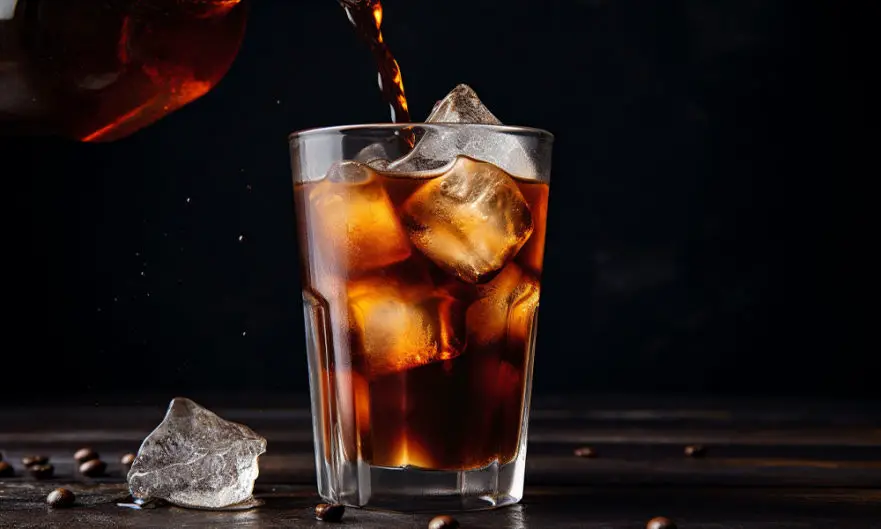
Cold brew is the easiest good coffee you can make at home. There is no special equipment, no timing a pour, and almost nothing to get wrong. You need coarse coffee, cold water, a container and a day. A French press or a mason jar does the job as well as a dedicated cold brew maker, and this guide covers both, with exact amounts for each.
What Is Cold Brew?
Cold brew, defined
Cold brew is coffee made by steeping coarse grounds in cold or room-temperature water for 12 to 24 hours, then filtering. Because the water never gets hot, it pulls out fewer of the sharp acids and bitter compounds, so the result is smooth, low in bitterness and naturally sweet.
- Grind: coarse, like raw sugar or breadcrumbs.
- Ratio: 1:5 for concentrate, 1:8 for ready to drink, by weight.
- Steep: 12 to 18 hours on the counter, or 18 to 24 hours in the fridge.
- Filter: press or strain, then run it through a paper filter for a clean cup.
It is not the same thing as iced coffee. Iced coffee is hot coffee cooled down, which keeps its brightness and bite; cold brew never sees heat at all. We break down the differences in cold brew vs iced coffee, and if you want the brightness without the wait, flash-chilled iced coffee is the fast alternative.
Concentrate or Ready to Drink?
The first choice is how strong to brew. A concentrate uses more coffee and gets diluted before drinking, so it takes less fridge space and lasts longer. A ready-to-drink batch goes straight over ice. Both use the same method; only the ratio changes.
Strong and syrupy. Dilute before drinking. Keeps about a week.
Equal parts concentrate and cold water or milk, over ice.
Pour straight over ice. Best within four or five days.
Weigh both the coffee and the water if you can. Scoops vary wildly with grind size, and weight is the only way to repeat a batch you liked. Our coffee-to-water ratio guide explains why, and our grind size guide shows what coarse should look like.
Want the numbers on your fridge? Our printable Coffee-to-Water Ratio Guide covers cold brew concentrate and ready to drink, plus seven other brew methods, with the ratio, grind and temperature for each on a one-page chart.
How to Make Cold Brew in a French Press

A French press is the neatest home setup, because the brewer and the filter are the same thing. The amounts below are for a standard 34 oz (1 liter) press.
French press cold brew
Concentrate: 150 g coarse coffee and 750 g cold water. Ready to drink: 100 g coffee and 800 g water. About 15 minutes of work, plus the steep.
- Grind the coffee coarse, or ask your roaster to grind it for French press.
- Add the grounds to the press, pour in the water, and stir gently until there are no dry clumps.
- Put the lid on with the plunger pulled all the way up. Leave it on the counter for 12 to 18 hours, or in the fridge for 18 to 24.
- Press the plunger down slowly and steadily. Pushing hard forces fine particles through the mesh.
- Pour through a paper filter into a clean jar to catch the silt the mesh lets through. It takes a few minutes but gives a much cleaner cup.
- Refrigerate, then serve over ice, diluting concentrate about 1:1 with water or milk.
How to Make Cold Brew in a Mason Jar

No French press? A quart (32 oz) mason jar works just as well and costs a few dollars. You only need something to strain it through afterward.
Mason jar cold brew
Concentrate: 120 g coarse coffee and 600 g cold water. Ready to drink: 80 g coffee and 640 g water. You also need a fine mesh sieve plus a paper filter, cheesecloth or a nut-milk bag.
- Add the coarse grounds to the jar and pour in the water.
- Stir well, making sure no dry pockets are left at the bottom.
- Seal the lid and steep 12 to 18 hours at room temperature or 18 to 24 hours in the fridge.
- Line a sieve with a paper filter or a double layer of cheesecloth and set it over a bowl or pitcher.
- Pour slowly and let it drain on its own. Squeezing the grounds adds bitterness and sediment.
- Rinse the jar, pour the cold brew back in, and store it in the fridge.
A nut-milk bag makes the mason jar method even easier: put the grounds in the bag, drop it in the jar, and lift it out when the steep is done. There is almost nothing to strain.
French Press, Mason Jar or Cold Brew Maker?
- Batch
- About 3 to 4 cups of concentrate
- Filtering
- Built in; paper filter recommended
- Best for
- Anyone who already owns one
- Batch
- About 2 to 3 cups of concentrate
- Filtering
- Sieve plus paper or cloth
- Best for
- Trying cold brew for almost nothing
- Batch
- Often a week or more at a time
- Filtering
- Fine mesh insert, no extra step
- Best for
- Daily drinkers making big batches
Big Batches and Single Cups
The same method scales up for a week of daily cold brew, and down to a single cup if you own an AeroPress.
- Amounts
- 750 g (about 1⅔ lb) coarse coffee and 3.8 L of water in a gallon jar makes concentrate. For ready to drink, use about 450 g (1 lb).
- Method
- Stir once, steep as usual, and strain through a nut-milk bag or paper.
- Cost
- Even with good beans at $15–20 a pound, a homemade glass works out to about $1.50–2.50, against $5 or more at a café.
- Amounts
- 30 g medium-coarse coffee and 210 g room-temperature water.
- Method
- Brew inverted. Stir, cover, and steep 12 to 24 hours. Flip, press slowly, and dilute 1:1.
- Amounts
- 20 g medium-fine coffee and 100 g room-temperature water.
- Method
- Stir hard for about a minute and press into a glass of ice. Top with 150 g of cold water or milk.
- Tastes
- Brighter than true cold brew, but ready now.
Fixing a Bad Batch
Too little coffee or too short a steep. Use more coffee first, then add a few hours of steeping.
Steeped too long, ground too fine, or the grounds were squeezed. Cut the steep back and grind coarser.
Under-extracted, often from a cold fridge steep that was cut short or a grind that was too coarse. Steep longer or brew at room temperature.
Fines got through the filter. Always finish with a paper filter, and press or pour slowly.
Old beans or cold brew kept too long. Use beans roasted within the last month and drink concentrate within about a week.
Counter or Fridge?
Steeping temperature changes the result more than most people expect. A counter steep is fuller and faster; a fridge steep is cleaner and slower.
| Where | Steep | Tastes | Best with |
|---|---|---|---|
| Counter, 68–75°F | 12–18 hours | Fuller, more complex | Medium and light roasts |
| Fridge, 37–40°F | 18–24 hours | Cleaner, milder | Dark roasts |
| Over 80°F | Avoid | Sour or bitter fast | — |
In a hot kitchen, steep in the fridge. For taste problems in hot coffee, our guide to why coffee tastes bitter, sour or weak uses the same logic.
Choosing Beans for Cold Brew
Cold brewing mutes acidity and emphasizes body and sweetness, so medium and medium-dark roasts with chocolate, nut and caramel notes are the easiest win. Brazilian and Colombian coffees are classic choices. Bright, floral light roasts can be delicious as cold brew, but they lose some of what makes them special, so try them once you have the method dialed in. Decaf works well too; our decaf cold brew guide has the details.
Storing and Serving Cold Brew
Keep cold brew in a sealed glass jar or bottle in the fridge. Concentrate tastes best for about a week; a ready-to-drink batch, already diluted, is best within four or five days. Once it starts tasting flat or papery, it is past its prime.
Serve it over ice with water or milk, or freeze some into ice cubes so your drink does not water down as it melts. For something richer, try a splash of cream and a little simple syrup, or warm spices. If you like it creamy and cascading, nitro cold brew is the café version.
Spiced Cold Brew
Add whole spices to the grounds before steeping. Ground spices cloud the brew. Per French press batch:
- Cinnamon orange: 2 cinnamon sticks and the peel of 1 orange.
- Ginger cardamom: a 1-inch piece of fresh ginger, sliced, and 4 to 5 crushed cardamom pods.
- Holiday: 3 cloves, half a nutmeg cracked open, and 1 star anise.
Start with less. You can add spice to a finished glass but you cannot take it out.
A Little History
Cold coffee is not new. Japan’s slow-drip “Kyoto-style” coffee is often traced to Dutch traders, though the early history is hazy. French soldiers in Algeria drank coffee with cold water in the 1840s, the drink known as a mazagran. The home cold brew most of us know comes from the Toddy system, created in 1964 by Todd Simpson after a trip to Peru. Cafés in the US made it mainstream in the 2010s.
Make one batch this week with the exact amounts above, taste it, and adjust just one thing next time. After two or three rounds you will have a cold brew you like better than the café’s, for a fraction of the price.
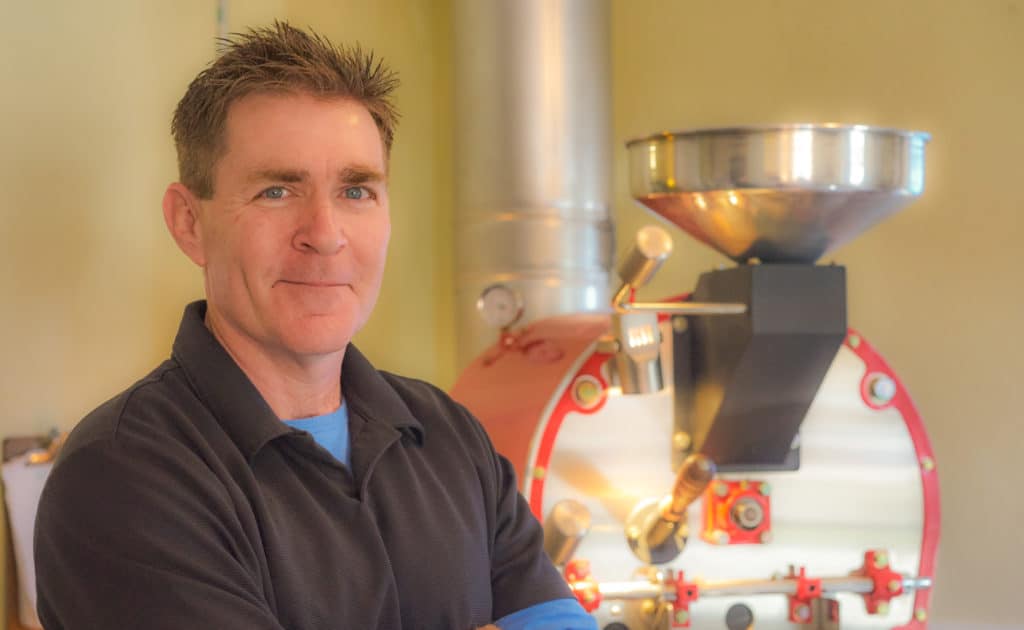
Former roastery owner and coffee tour operator. Steve spent five years roasting coffee for his own shop and wholesale customers. More about Steve