
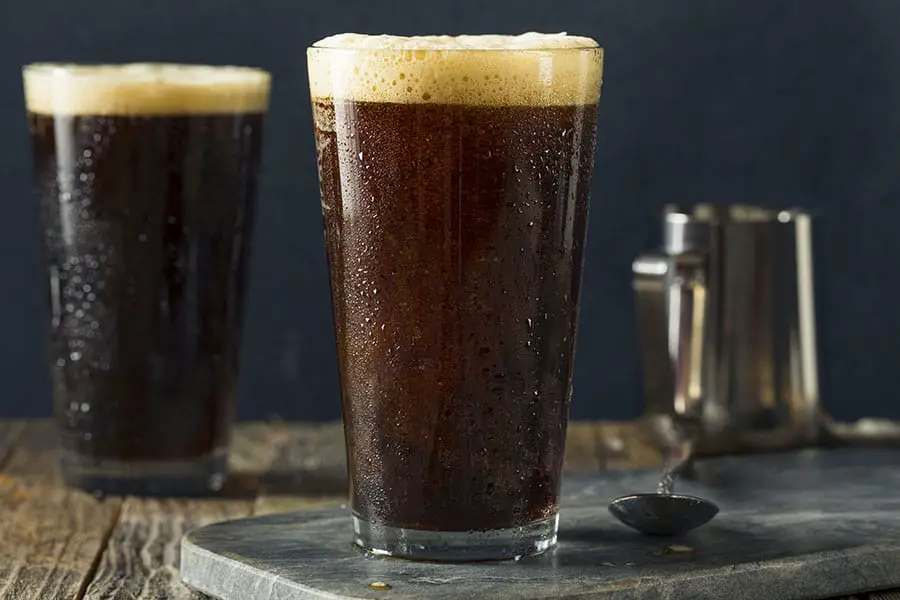
Nitro cold brew is regular cold brew coffee infused with nitrogen gas and poured from a tap, like a stout beer. The coffee is the same; the difference is texture. Nitro is creamy and velvety, with a foamy head and a cascade of tiny bubbles, and it tastes smoother and slightly sweeter even with no sugar or milk added. Regular cold brew is lighter-bodied and usually served over ice. Nitro is served without ice, so a cup typically holds more coffee and more caffeine.
- What it is
- Coffee steeped in cold or room-temperature water for 12 to 24 hours
- Texture
- Smooth, light to medium body
- Served
- Over ice, black or with milk
- Taste
- Mellow, chocolatey, low bitterness
- At home
- Easy: a jar and a filter
- What it is
- Cold brew infused with nitrogen and poured from a pressurized tap
- Texture
- Creamy and velvety, with a foamy head
- Served
- Without ice, usually black
- Taste
- Seems sweeter and smoother
- At home
- Needs a nitro keg, a whipper or canned nitro
What Is Cold Brew?
Cold brew is made by steeping coarse-ground coffee in cold or room-temperature water for a long time, about 12 to 18 hours on the counter or 18 to 24 hours in the fridge, then filtering it. Without heat, fewer of the bitter and sharp-tasting compounds dissolve, so cold brew tastes smooth, chocolatey and low in bitterness. It is usually made as a concentrate (about 1 part coffee to 5 parts water) and diluted, or brewed ready to drink at about 1:8. Our guide to making cold brew at home has the full recipe.
Cold brew is not the same as iced coffee, which is hot-brewed coffee cooled down or poured over ice. See cold brew vs iced coffee for how they compare.
What Is Nitro Cold Brew?

Nitro cold brew starts as ready-to-drink cold brew. Cafés store it in a keg under nitrogen pressure and pour it through a stout-style faucet, which forces the coffee through tiny holes and knocks the gas out of solution as a cloud of very fine bubbles. That is what creates the cascade you see in the glass and the thick, creamy head on top.
Nitrogen is used instead of carbon dioxide because it barely dissolves in liquid. The bubbles stay tiny and give a smooth, creamy texture rather than fizz, and unlike carbon dioxide, nitrogen does not add any sharp, acidic bite.
Nitro vs Cold Brew: The Key Differences
| Cold brew | Nitro cold brew | |
|---|---|---|
| Texture | Smooth, light to medium body | Creamy, velvety, with a foam head |
| Taste | Mellow and chocolatey | Same coffee, but tastes sweeter and rounder |
| Bitterness and acidity | Low | Seems even lower, because the creamy texture softens them |
| Served | Over ice | No ice; ice would flatten the foam |
| Caffeine | Depends on strength; ice dilutes it | About the same per ounce, but more per cup because there is no ice |
| Milk and sugar | Often added | Usually drunk black |
| Price | Lower | Usually higher; needs special equipment |
Nitrogen does not add sugar or change the coffee’s chemistry in any meaningful way. Nitro tastes sweeter because the creamy texture and foam soften bitterness on your tongue, the same way a stout tastes rounder on nitrogen than on carbon dioxide. That is why many people who take milk and sugar in regular cold brew drink nitro black. For more on caffeine, see how much caffeine is in coffee.
Is Cold Brew Easier on Your Stomach?
Cold brew and nitro both taste less acidic than hot coffee, and many people find them gentler. Research comparing cold and hot brew has found that hot coffee has more total acidity, though the pH of the two can be similar. If acidic coffee bothers you, cold brew or nitro may be worth trying, but results vary from person to person. Neither has meaningful health advantages beyond that; both are simply coffee.
How to Make Nitro Cold Brew at Home
- Start with good cold brew. Use ready-to-drink strength, about 1:8, not concentrate.
- Nitro cold brew keg. A small home keg with nitrogen cartridges and a stout faucet gives you the real café pour. It is the most expensive option.
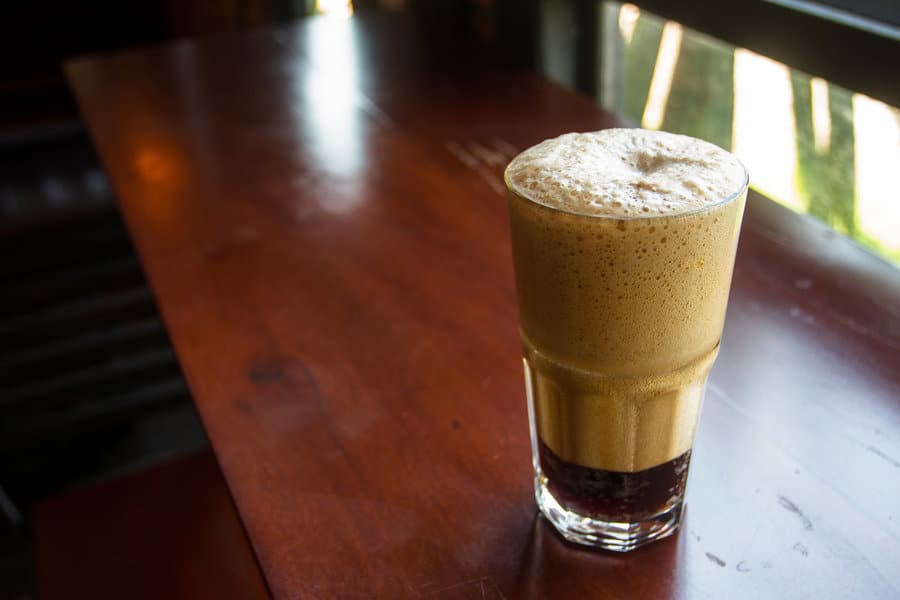
- Whipped cream dispenser. Fill it no more than about two-thirds with cold brew, charge it with a nitrous oxide (N2O) cartridge, shake and dispense into a glass. Nitrous oxide is not pure nitrogen and dissolves more easily, so the result is a little sweeter-tasting and foamier, but it is a cheap way to get a nitro-style cup.
- Canned nitro. Many brands sell nitro cold brew in cans with a widget or added nitrogen. Chill well and pour hard into a glass to release the foam.
Want a similar creamy texture without nitrogen? Try an aerocano, an iced Americano frothed with air.
How Long Do They Keep?
Homemade cold brew keeps about one week in the fridge in a sealed container; concentrate keeps slightly better than diluted cold brew. Nitro is best poured fresh; once it is in the glass the foam fades within a few minutes, and opened cans lose their nitrogen quickly. If you are cutting back on caffeine, both can be made with decaf; see our guide to decaf cold brew.
Which Should You Choose?
- Choose cold brew if you like your iced coffee with milk or flavors, want to make it easily at home, or want a big glass over ice.
- Choose nitro if you drink coffee black and want something creamy and rich without adding anything, or want a stronger cup without ice.

Former roastery owner and coffee tour operator. Steve spent five years roasting coffee for his own shop and wholesale customers. More about Steve