


The best manual coffee grinders for most people are the Hario Skerton Pro for everyday home use, the Porlex Mini for travel and the AeroPress, and the JavaPresse if you want the cheapest decent burr grinder. All three use ceramic burrs, cost far less than an electric grinder, and grind far more evenly than any blade grinder. If you would rather push a button, the Baratza Encore is the best all-round electric grinder for drip, pour-over and French press, the OXO Brew Conical Burr Grinder is the budget pick, and the Rancilio Rocky is a heavy-duty choice for espresso. Whatever you choose, get a burr grinder, not a blade grinder: an even grind matters more to the taste of your coffee than almost any other piece of equipment.
| Grinder | Type | Burrs | Best for | Price range |
|---|---|---|---|---|
| Hario Skerton Pro | Manual | Ceramic conical | Everyday home use, holds about 100 g | About $40 to $60 |
| Porlex Mini | Manual | Ceramic conical | Travel, camping, AeroPress (about 20 g) | About $70 to $90 |
| JavaPresse | Manual | Ceramic conical | Lowest cost, 18 click settings | About $25 to $40 |
| Baratza Encore | Electric | 40 mm steel conical | Drip, pour-over, French press | About $150 to $170 |
| OXO Brew Conical Burr | Electric | 40 mm steel conical | Budget electric for filter coffee | About $100 to $110 |
| Rancilio Rocky | Electric | 50 mm steel flat | Espresso, heavy use | About $440 (availability varies) |
Prices are approximate and change often; check the current price before you buy.
Best Manual Coffee Grinders
A manual (hand) grinder is the cheapest way to get a real burr grinder, and it is quiet, compact and works anywhere. The trade-off is effort: grinding enough for one cup takes about 30 seconds to a minute of cranking, more for fine espresso grinds or light roasts.
Hario Skerton Pro: Best for Home Use

The Skerton Pro is an improved version of Hario’s classic Skerton. It has ceramic conical burrs, a stabilized shaft that keeps coarser grinds more even than the original, a simple adjustment dial that is easy to return to, a detachable handle and a lid that stops beans jumping out. Its glass jar holds about 100 g of beans, enough for several cups at once, which makes it the most practical of these three for grinding at home. It is too bulky to be ideal for travel. Go to Amazon for current pricing.
Porlex Mini: Best for Travel

Made in Japan with a stainless steel body and ceramic burrs, the Porlex Mini is small, tough and built to last. It holds about 20 g of beans, enough for one cup, and with its rubber sleeve removed it fits inside the plunger of an AeroPress, which makes it a favorite for camping and travel. The current Porlex Mini II grinds faster and more evenly than the first version. It costs more than the other two, and its small capacity makes it slow for more than one cup. You can check the price on Amazon. See also how to brew coffee while traveling.
JavaPresse: Best Budget Manual Grinder

The JavaPresse is one of the least expensive burr grinders you can buy. It has a brushed stainless steel body, ceramic conical burrs and 18 click settings, which make it easy to return to the grind you used last time. It is light and quiet, with a removable handle and a small window to see how much you have ground. It does best at medium to fine grinds, such as for pour-over, AeroPress and moka pot, and some parts are plastic, so it will not last as long as a Porlex. You can check Amazon for current pricing.
Willing to spend more? Newer hand grinders with steel burrs, such as the Timemore Chestnut C3 and the 1Zpresso J series, grind faster and more evenly than ceramic-burr models, especially for pour-over, and are worth a look if you plan to use a hand grinder every day.
Best Electric Coffee Grinders
Baratza Encore: Best All-Round Electric Grinder

The Encore is the go-to entry-level electric grinder for good reason. It has 40 mm steel conical burrs, 40 grind settings, a large hopper and a simple on/off switch and pulse button, and Baratza sells replacement parts so it can be repaired rather than thrown away. It is excellent for drip, pour-over, Chemex and French press. It is not designed for espresso; for that, Baratza makes the Encore ESP, which adds finer settings. You can usually find the best price on Amazon.
OXO Brew Conical Burr Grinder: Best Budget Electric

The OXO Brew costs less than the Encore and is very easy to use: set the grind and a timer, press one button, and it grinds the same amount every time. It has 40 mm stainless steel conical burrs and 15 main grind settings with finer steps in between. It is a great match for French press and drip coffee and pour-over, but not for espresso, and it can be messier, with some grounds sticking to the container from static. Check the current price on Amazon.
Rancilio Rocky: Best for Espresso

The Rocky is a heavy, commercial-style grinder from the Italian espresso machine maker Rancilio, with 50 mm flat steel burrs and 55 settings. Its weight, sturdy motor and fine adjustment make it a long-time favorite for home espresso, often paired with Rancilio’s Silvia machine. It costs much more than the Encore and is less convenient for switching between espresso and filter grinds, and stock is patchy at some US retailers, so check availability. Check current pricing on Amazon. See also our guide to the best home espresso machines.
Burr vs Blade Coffee Grinders

- Blade grinders chop beans with a spinning blade, like a blender. They leave a mix of fine powder and large chunks, and the longer you run them, the finer and less even the result. Because fine and coarse pieces extract at different speeds, the coffee tastes sour and bitter at once. They are fine for spices, but not much better than buying pre-ground coffee.
- Burr grinders crush beans between two burrs set a fixed distance apart, so every particle comes out close to the same size. That even grind lets the water extract the coffee evenly, which is the basis of a good cup with any brewer.
- Conical vs flat burrs: both work well. Conical burrs are common in home and hand grinders; flat burrs are common in commercial and espresso grinders. See our guide to flat vs conical burr grinders.
- Ceramic vs steel burrs: ceramic burrs stay sharp a long time and are common in hand grinders; steel burrs are sharper and usually grind faster and more evenly, especially for filter coffee.
Manual vs Electric Coffee Grinders
| Manual | Electric | |
|---|---|---|
| Cost | Lower: a good one costs about $25 to $150 | Higher: about $100 to $450 and up |
| Effort and speed | About 30 to 60 seconds of cranking per cup | A few seconds at the push of a button |
| Capacity | Usually 20 to 40 g; one or two cups at a time | Large hoppers; easy to grind for a pot |
| Portability and noise | Light, quiet, no power needed | Countertop only, louder |
| Changing grind settings | Fiddlier, easy to lose your setting | Numbered settings, easy to switch |
| Best for | One or two cups, travel, small budgets | Several cups a day, households, espresso |
How to Choose a Coffee Grinder
When I ran my coffee shop, customers often asked why the coffee they bought from us never tasted as good at home. When we talked it through, the problem was usually the grinder, either a blade grinder or pre-ground coffee. These are the questions worth asking before you buy:
- How do you brew? For French press, drip and pour-over, almost any burr grinder here will do. For espresso, you need very fine, precise adjustment, which rules out most budget models. See our coffee grind size chart.
- How much coffee do you make? One cup a day suits a hand grinder; a pot every morning for the household calls for an electric one.
- Do you switch brew methods? If you go from espresso to French press often, choose a grinder with clearly marked settings.
- Do you travel? A small hand grinder such as the Porlex Mini is the only practical option.
- Budget: spend more on the grinder than the brewer if you have to. A good grinder with a simple brewer beats an expensive brewer with a poor grinder.
Do You Need to Grind Your Own Coffee?
For the best flavor, yes. Ground coffee loses its aroma within minutes to hours as the oils and aromatic compounds escape, while whole beans stay fresh for a few weeks. Grinding just before you brew is the single easiest way to make your coffee taste better. See whole bean vs ground coffee and how to store coffee beans.
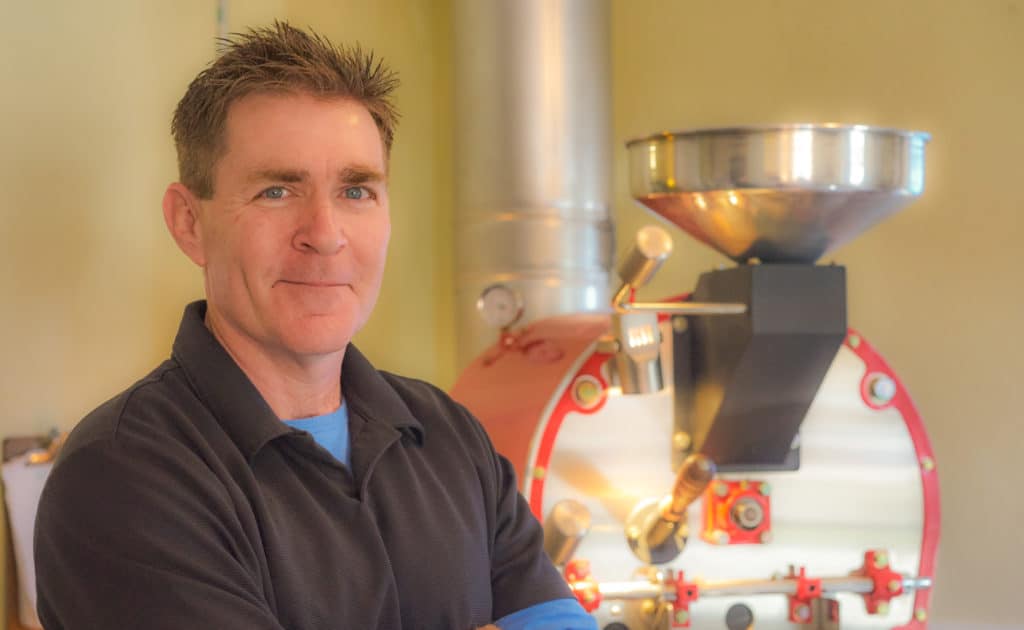
Former roastery owner and coffee tour operator. Steve spent five years roasting coffee for his own shop and wholesale customers. More about Steve