
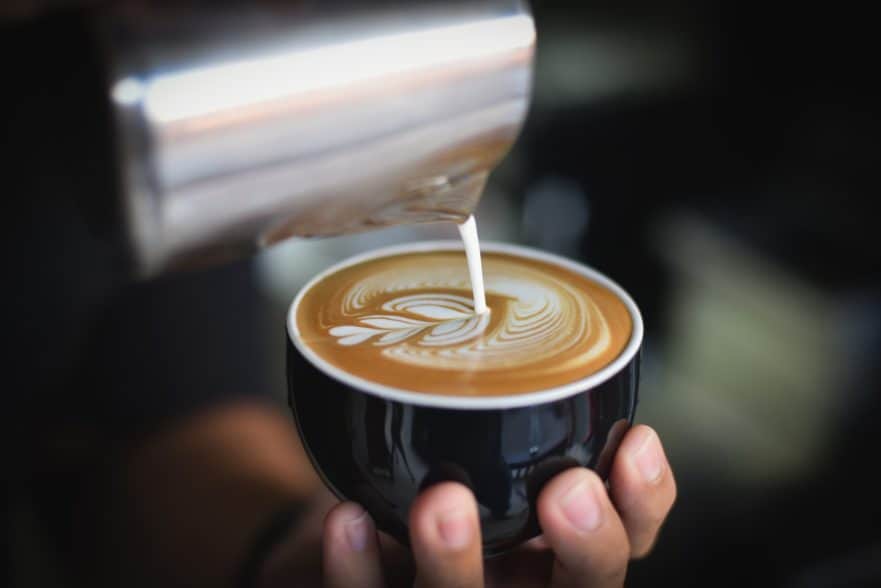
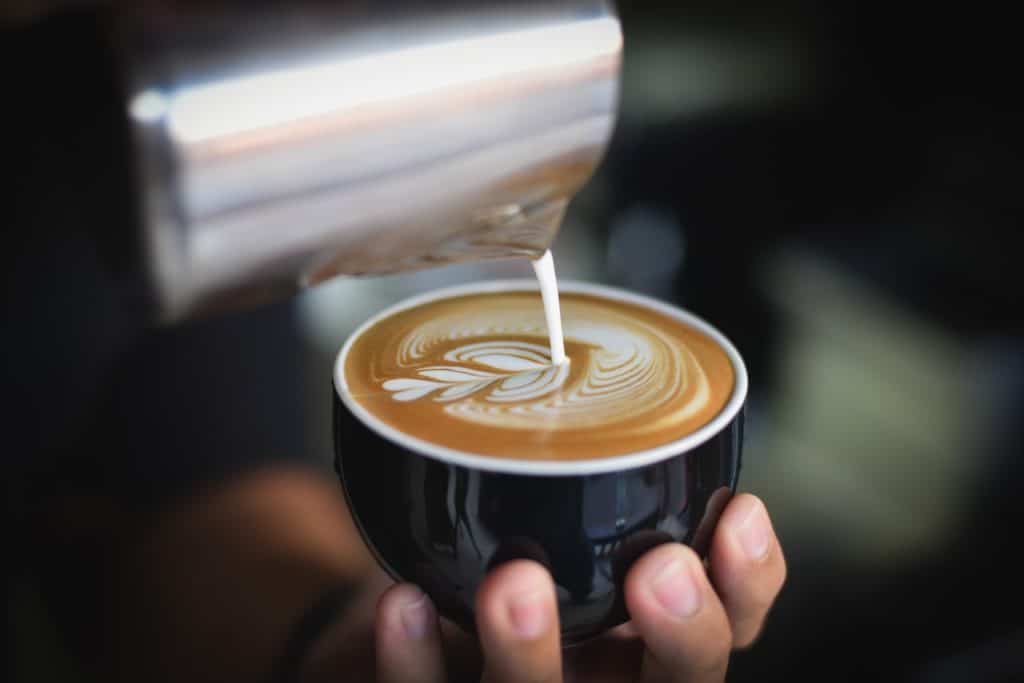
A mocha (caffè mocha, sometimes called a mochaccino) is espresso mixed with chocolate and steamed milk, often topped with whipped cream. Think of it as a chocolate latte: one or two shots of espresso, about 1 to 2 tablespoons of chocolate sauce or cocoa, and 6 to 10 ounces of steamed milk. It tastes sweeter and richer than a latte, with the espresso’s bitterness softened by the chocolate. The name comes from Mocha (Al-Makha), the port in Yemen that once shipped much of the world’s coffee.
| Made with | Espresso, chocolate (sauce, cocoa or melted chocolate), steamed milk |
| Typical size | 8 to 12 oz |
| Taste | Sweet, chocolatey and creamy, with a coffee edge |
| Caffeine | About 64 mg per espresso shot, plus a little from the chocolate |
| Toppings | Whipped cream, cocoa powder or chocolate shavings (optional) |
| Also called | Caffè mocha, mochaccino, café mocha |
| Name from | The port of Mocha (Al-Makha), Yemen |
Mocha vs Latte vs Cappuccino
| Drink | What’s in it | Taste |
|---|---|---|
| Mocha | Espresso, chocolate, steamed milk, often whipped cream | Sweet, chocolatey, creamy |
| Latte | Espresso, lots of steamed milk, thin layer of foam | Mild, milky, smooth |
| Cappuccino | Espresso, less steamed milk, thick layer of foam | Stronger coffee taste, light and airy |
| Hot chocolate | Chocolate and milk, no coffee | Sweet chocolate, no caffeine from coffee |
A mocha is basically a latte with chocolate added, so it is sweeter and more dessert-like than a latte or cappuccino, but has more coffee flavor than a hot chocolate. See our guide to latte vs cappuccino vs flat white and our chart of types of coffee drinks.
How to Make a Mocha at Home
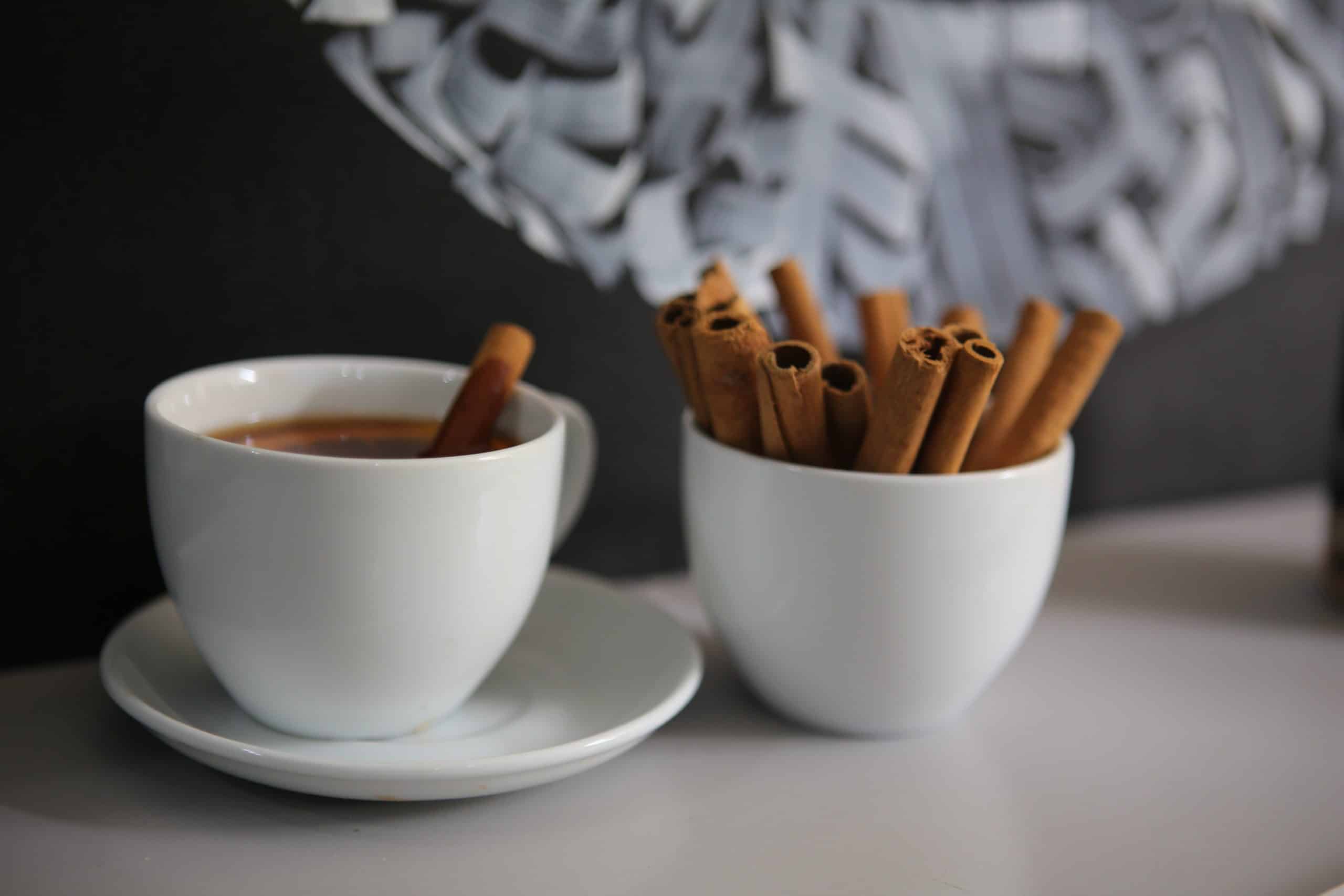
| Ingredient | Amount |
|---|---|
| Espresso | 1 or 2 shots (a double is about 18 g of coffee to 36 g of espresso) |
| Chocolate | 1 to 2 tbsp chocolate sauce, or 1 tbsp cocoa powder plus 1 tbsp sugar |
| Milk | 6 to 8 oz (180 to 240 ml) |
| Whipped cream or cocoa | Optional, to top |
- Add the chocolate to a warm mug. If you use cocoa powder, mix it with the sugar.
- Pull the espresso straight into the mug and stir until the chocolate dissolves completely. Hot espresso melts it much more easily than milk does.
- Steam the milk to about 140 to 155°F (60 to 68°C), hot to the touch but not boiling, with a little foam. See how to froth milk for steam wand, frother and no-machine methods; an inexpensive handheld milk frother works well for mochas.
- Pour the milk into the mug and stir gently.
- Top it with whipped cream, a dusting of cocoa or chocolate shavings if you like.
No espresso machine? Use a strong shot from a moka pot or an AeroPress, or dissolve 1 to 2 teaspoons of instant espresso powder in 2 oz of hot water. More options are in our guide to making espresso without a machine.
Tips for a better mocha
- Use good chocolate. A dark chocolate sauce, a good cocoa powder or chopped dark chocolate (around 60 to 70% cocoa) melted into the espresso tastes richer and less sugary than most syrups.
- Balance it. Start with 1 tablespoon of chocolate and add more to taste. Use a double shot if you want the coffee to come through.
- Pick your milk. Whole milk makes the creamiest mocha; oat milk is the best non-dairy option for steaming. See best milk for coffee.
- Choose a medium or dark roast espresso. Its chocolatey, nutty notes suit a mocha better than a bright, fruity light roast.
Dark Chocolate vs White Chocolate Mocha
A classic mocha uses dark or milk chocolate, whose bitter cocoa flavor pairs naturally with espresso. A white chocolate mocha uses white chocolate, which is made from cocoa butter, milk and sugar but no cocoa solids. It tastes sweeter and creamier, like vanilla and caramel, with no real chocolate bitterness, so it can hide the coffee. Choose dark chocolate for a richer, more balanced drink, or white chocolate if you like it sweet.
Mocha Variations
- Iced mocha: stir the chocolate into hot espresso first, then pour it over ice and add cold milk.
- Peppermint mocha: add a few drops of peppermint extract or a little peppermint syrup.
- Mexican mocha: add a pinch of cinnamon and a tiny pinch of chili or cayenne.
- Salted caramel mocha: add a spoonful of caramel sauce and a pinch of salt.
- Vegan mocha: use oat milk and a dairy-free chocolate sauce or cocoa, and skip the whipped cream.
Why Is It Called a Mocha?
Mocha (Al-Makha) is a port on the Red Sea coast of Yemen. From about the 15th to the 18th century it was the world’s main coffee market, and coffee shipped from there was known simply as “mocha.” Yemeni coffees are often described as rich and chocolatey, and over time the word “mocha” came to mean coffee and chocolate together. Read more in our guide to Yemeni coffee.
People have mixed coffee and chocolate for centuries; Turin’s bicerin, a layered drink of coffee, chocolate and cream, dates back to the 1700s. The espresso-based caffè mocha became a standard drink in the US during the coffee shop boom of the 1980s and 1990s, and is now on menus around the world.
Don’t confuse a mocha with a moka pot, the Italian stovetop coffee maker. Its name also comes from the Yemeni port, but it is a brewer, not a drink. For other café favorites, see our pumpkin spice latte recipe or frappe vs latte vs Frappuccino, and check how much caffeine is in a cup of coffee.
Former roastery owner and coffee tour operator. Steve spent five years roasting coffee for his own shop and wholesale customers. More about Steve