
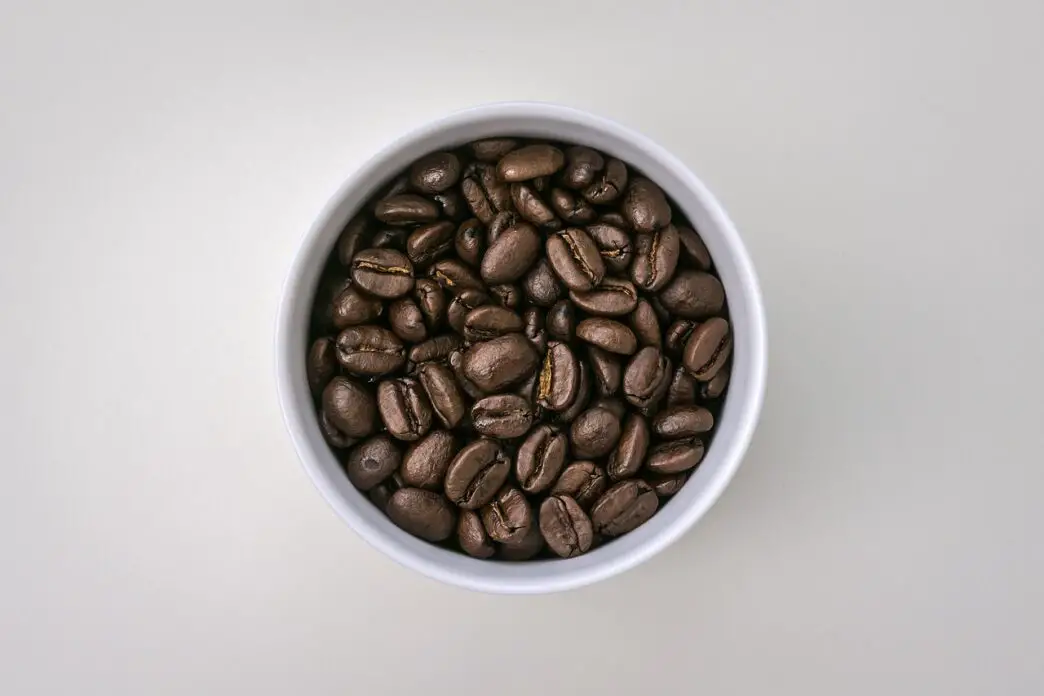

Every coffee drinker runs into this: you open a bag of beans roasted last week, and the brew tastes sharp or off. Fast forward a month, and the same beans pull flat shots. Coffee freshness shifts fast, tied to the roast date on the bag.
This post breaks down what happens as coffee ages, from the first days post-roast to when it turns stale. You’ll get practical advice on tweaking your brews at each point, based on how beans change. Whether you grind for pour-over or dial in espresso, understanding these stages helps you pull better cups every time.
What Is Coffee Degassing and Why Does It Matter?
Right after roasting, coffee beans start releasing gas. This process, called coffee degassing, kicks off as soon as the beans cool. Heat from the roast traps carbon dioxide inside the bean’s structure. Over the next few days, that gas escapes through tiny pores.
Think of it as the beans exhaling after a hot workout. If you brew too soon, that gas interferes with water flow, creating bubbles and uneven pulls. For example, in a pour-over, you might see excessive foaming during the bloom phase, where grounds swell and release gas. This leads to inconsistent extraction, where some flavors come through strong while others stay locked in.
Coffee degassing peaks in the first 24 to 48 hours but can continue for weeks. Darker roasts release gas quicker because the beans crack more during roasting, while lighter ones hold onto it longer. Skip brewing on roast day if possible—give it time to settle for smoother results.
How Flavors Change as Coffee Ages
Coffee doesn’t stay static after the roast date. In the early days, flavors often feel muted or harsh because gas blocks full extraction. As degassing slows, aromas open up. Notes like fruit or chocolate become clearer, and the cup gains balance.
Around one to two weeks post-roast, many beans hit their sweet spot. Acidity brightens, body rounds out, and subtle origins shine—think Ethiopian beans showing berry tones or Colombian ones turning nutty. This window varies, but it’s when coffee freshness delivers the most detail.
Past that, aging sets in. Oils on the bean surface oxidize from air exposure, dulling brightness. Flavors flatten: acidity drops, sweetness fades, and bitterness might creep in if extraction runs too fast. By four weeks, the cup tastes simpler, less layered. How long coffee lasts depends on storage—airtight containers slow this, but nothing stops it entirely.
Extraction shifts too. Fresh beans resist water due to gas, so pulls take longer. Older ones let water pass quicker, risking under-extraction if you don’t adjust. Track your roast date to predict these changes and tweak accordingly.
Optimal Rest Periods by Roast Level
Resting means waiting after the roast date before brewing. This lets degassing happen without messing up your cup. The right window depends on roast level, as darker beans develop faster.
Here’s a quick guide:
- Light roasts: Wait 7-14 days. These hold more gas and need time for flavors to mature. Brew too early, and you’ll get sour, grassy notes.
- Medium roasts: Aim for 5-10 days. Balance forms here, with acidity and body aligning nicely.
- Dark roasts: 1-5 days works best. They degas fast, so freshness peaks sooner. After 24 hours, they’re often ready for bold, roasty brews.
| Roast Level | Recommended Rest Window | Why It Matters |
|---|---|---|
| Light | 7-14 days | Slow degassing; flavors need time to clarify |
| Medium | 5-10 days | Balanced development; avoids harsh early notes |
| Dark | 1-5 days | Quick gas release; prevents flatness from waiting too long |
Test with your setup. A light roast might taste peak at day 10 in pour-over but day 7 in espresso. Always check the roast date—beans without one might already be past prime.
How Aging Affects Grind Size, Flow, and Brew Time
As coffee ages, its physical traits change, impacting your brew setup. Fresh beans, full of gas, create resistance. Water moves slower through the grounds, extending brew time. This can lead to over-extraction if not managed, pulling bitter compounds.
For grind size: Start coarser with very fresh beans to ease flow and avoid clogs. As weeks pass, gas drops, so water rushes through. Switch to a finer grind to slow things down and pull more flavor.
Flow rate ties in directly. In espresso, fresh beans might yield a 30-second shot; older ones could finish in 20 seconds with the same grind. Adjust by fining up the grind or upping the dose to maintain even flow.
Brew time shortens overall with age. A pour-over that drains in 3 minutes fresh might drop to 2:30 after a month. This risks weak cups, so extend contact—stir more or add pauses. Track these shifts to keep extraction steady, aiming for 18-22% yield where flavors balance.
Brewing Adjustments for Very Fresh vs Older Beans
Brewing fresh coffee demands different moves than handling older stock.
For beans under a week old:
- Grind coarser to handle gas buildup.
- Bloom longer—30-45 seconds—to let gas escape before full pour.
- Use cooler water (around 195°F) to tame harsh notes.
- Agitate gently; too much stirring releases gas too fast, causing channels.
This setup suits methods like V60 or Chemex, where control matters.
For older beans, say three weeks past roast date:
- Grind finer to compensate for faster flow.
- Increase dose slightly (e.g., from 15g to 17g per cup) for more body.
- Brew hotter (205°F+) to extract hidden flavors.
- Extend steep time in immersion methods like French press.
These tweaks extend how long coffee lasts in your routine. For espresso, fresh beans need higher pressure to push through gas; older ones pull easier, so reduce it. Experiment in small batches—note the roast date and log results.
When Is Coffee Actually Stale vs Just Different?
Aged coffee isn’t always bad—it’s just evolved. At two to four weeks, flavors might shift from bright to mellow, still enjoyable if stored well. You get less pop, but more approachability, like a wine softening with time.
Stale coffee taste crosses a line. Signs include:
- Flat aroma: Open the bag, and nothing hits you—no fruit, no roast scent.
- Dull cup: Tastes woody, papery, or like cardboard, with no depth.
- Visual clues: Beans look dry or overly oily, losing sheen.
- Brew issues: Weak extractions even with adjustments, or sour staleness.
This usually hits after four to six weeks in whole beans, faster if ground. Stale means oxidation has broken down compounds beyond recovery. If it’s just different—say, muted but not off—brew anyway with tweaks. Past that, repurpose for cold brew, where low temps mask flaws, or compost it.
Proper storage stretches this: Keep beans whole, in opaque, airtight jars away from light and heat. Freezing in portions works for long-term, but thaw fully before use.
Wrapping It Up on Coffee Freshness
Tracking how coffee ages turns guesswork into control. From degassing right after the roast date to spotting stale coffee taste, each stage offers ways to adapt. Rest light roasts longer, grind finer for older beans, and always brew with the changes in mind. This keeps your cups consistent, no matter the bag’s age. Next time you question brewing fresh coffee or wonder how long coffee lasts, check that date and adjust. Your brews will thank you.