
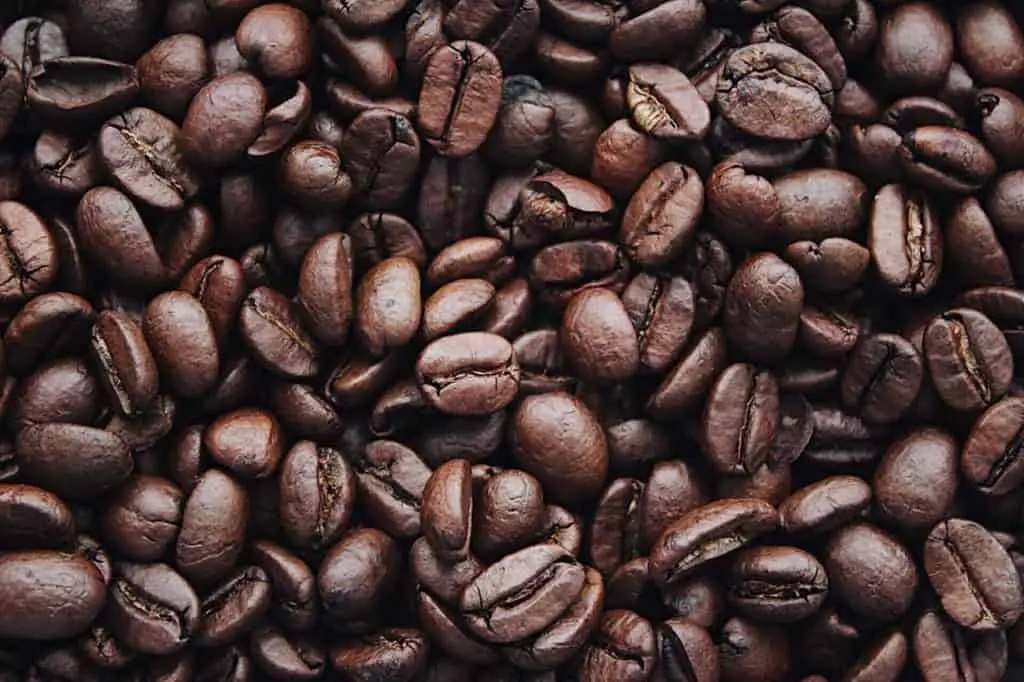
Yes, you can eat roasted coffee beans. They are safe in moderation, and people have been snacking on them, plain or coated in chocolate, for a long time. The thing to watch is caffeine: every bean carries a little, and they add up faster than you might expect.
When I had my roastery, customers who saw a fresh batch cooling in the bin would often ask if they could try one, and what would happen if they did. The short answer was always the same: go ahead, it will taste like very strong, crunchy coffee. Here is the longer answer.
Eating coffee beans, in short
Roasted beans are fine to eat; just count them.
- Caffeine: roughly 2 to 3 mg per roasted Arabica bean, and about twice that for Robusta.
- Beans per cup: about 30 to 40 Arabica beans hold as much caffeine as an 8-ounce cup of brewed coffee.
- Daily limit: the FDA cites 400 mg a day as generally safe for most healthy adults, counting every source of caffeine.
How Much Caffeine Is in a Coffee Bean?
Roasted Arabica coffee has roughly 10 to 12 mg of caffeine per gram, and a single bean weighs a fraction of a gram, so each bean carries about 2 to 3 mg. Robusta beans have about twice as much. Bean size and roast change the numbers a little, but the scale is what matters: a small handful is a cup of coffee.
| How many beans | Approximate caffeine (Arabica) | About the same as |
|---|---|---|
| 10 beans | 20 to 30 mg | A cup of green tea |
| 20 beans | 40 to 60 mg | Close to a single shot of espresso |
| 35 beans | 70 to 105 mg | An 8-ounce cup of brewed coffee |
| 100 beans | 200 to 300 mg | Two to three cups of coffee |
Unlike a cup of coffee, where some caffeine stays behind in the grounds, eating the bean means you take in all of it. Chocolate-covered beans add a little more caffeine from the chocolate, and they are easy to eat by the handful: some brands carry over 300 mg in a 40 g serving. Our caffeine guide has the numbers for drinks.
Roasted, Raw or Used Grounds?
- Safe?
- Yes, in moderation
- Taste
- Crunchy, bitter, intensely coffee
- Best
- Medium or dark roasts, or chocolate-covered
- Safe?
- Technically edible, but not a good idea
- Taste
- Grassy, sour and woody
- Problem
- Hard enough to crack a tooth and tough to digest
- Safe?
- Yes, in small amounts
- Taste
- Gritty and mild
- Caffeine
- Some left, less than fresh grounds
Green coffee beans are the raw seeds of the coffee cherry before roasting; our guide to coffee bean anatomy shows what is inside one. Roasting is what makes them brittle enough to bite and gives them the flavor you know. For eating, a medium or dark roast is the easiest: lighter roasts are denser, harder and more sour.
The Good Side
- Everything in the bean, not just what dissolves. Brewing extracts only part of the coffee. Eating the bean gives you all of it, including its antioxidants, such as chlorogenic acids, and its fiber, which stays behind in the grounds when you brew.
- A quick, portable pick-me-up. A few beans, or a few chocolate-covered ones, are an easy way to get a small, measured amount of caffeine without a cup.
- No added sugar or cream, unless you choose the chocolate-covered kind.
The Downsides
Beans are small and moreish, especially with chocolate on them. Too much caffeine can cause jitters, a racing heart, an upset stomach and poor sleep. Count them, and remember they add to whatever coffee you drink that day.
Coffee can trigger heartburn in some people and gets the bowels moving, even decaf. A handful of beans on an empty stomach is the most likely way to find out.
Caffeine stays in your system for hours, so beans in the afternoon can keep you up at night.
If you are pregnant, have a heart condition, or have been told to limit caffeine, treat beans like extra cups of coffee. They are not a snack for children.
The Best Ways to Eat Coffee Beans
- Chocolate-covered: the classic. Dark chocolate balances the bitterness; espresso-roast beans are the usual choice.
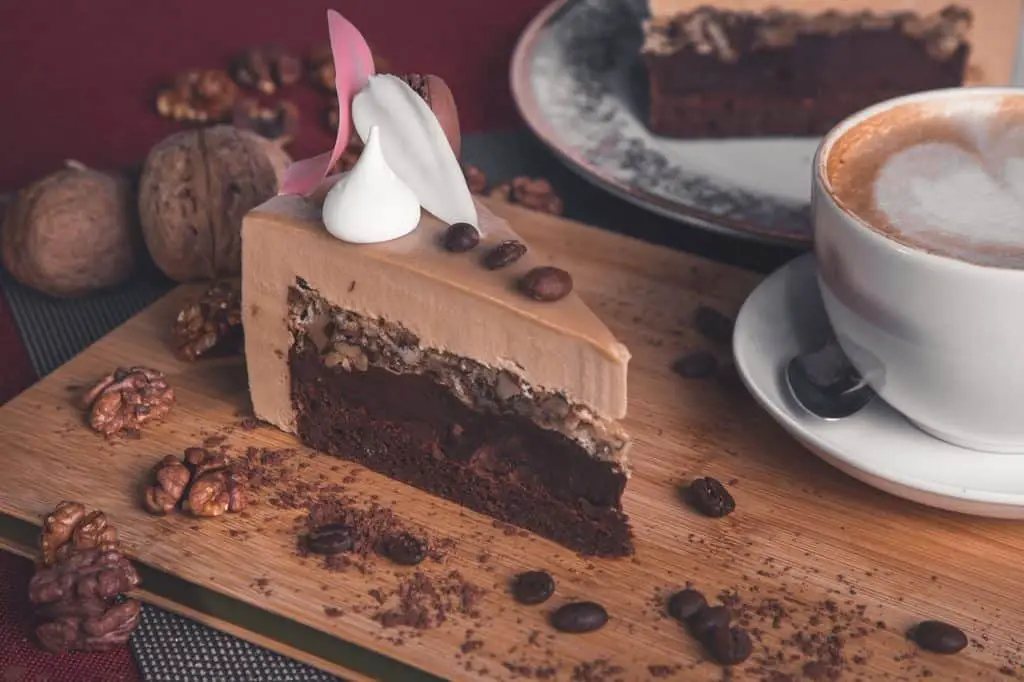
- Crushed over desserts: roughly crush a few beans and scatter them over ice cream, brownies or chocolate cake for crunch.
- In baking: finely ground coffee works in brownies, chocolate cookies and spice cakes. Use a teaspoon or two of very fine grounds so the texture stays smooth.
- As a rub: ground coffee mixed with salt, pepper, brown sugar and chili makes a great crust on steak, brisket or pork.
- Straight up: if you want to try one plain, pick a fresh medium or dark roast and chew it slowly.
For more uses for leftover grounds, see our list of creative ways to use coffee grounds.
Sources
- U.S. Food and Drug Administration. Spilling the Beans: How Much Caffeine Is Too Much?
- Fox, G. P., et al. (2013). Variation in caffeine concentration in single coffee beans. Journal of Agricultural and Food Chemistry, 61(45), 10772–10778.

Former roastery owner and coffee tour operator. Steve spent five years roasting coffee for his own shop and wholesale customers. More about Steve