

Ounce for ounce, coffee has more caffeine than Red Bull. An 8.4 oz (250 ml) can of Red Bull has 80 mg of caffeine, 27 g of sugar and 110 calories. An 8 oz (240 ml) cup of brewed coffee has about 96 mg of caffeine, no sugar and about 2 calories. Red Bull can feel like a bigger, faster kick because of the sugar and because it is usually drunk cold and quickly, but black coffee gives you more caffeine for far fewer calories and much less money. For most people, coffee is the better everyday choice.
| Red Bull (8.4 oz can) | Black coffee (8 oz cup) | |
|---|---|---|
| Caffeine | 80 mg | About 96 mg (roughly 80 to 200 mg) |
| Caffeine per ounce | About 9.5 mg | About 12 mg |
| Sugar | 27 g | 0 g |
| Calories | 110 | About 2 |
| Other ingredients | Taurine, B vitamins, flavorings | Naturally occurring antioxidants such as chlorogenic acids |
| Typical cost | Several dollars a can | Well under $1 brewed at home |
Red Bull figures are from its US label. Coffee caffeine varies with the beans, roast and brew strength. Milk, sugar and syrups add calories to coffee.
Caffeine in Red Bull vs Coffee
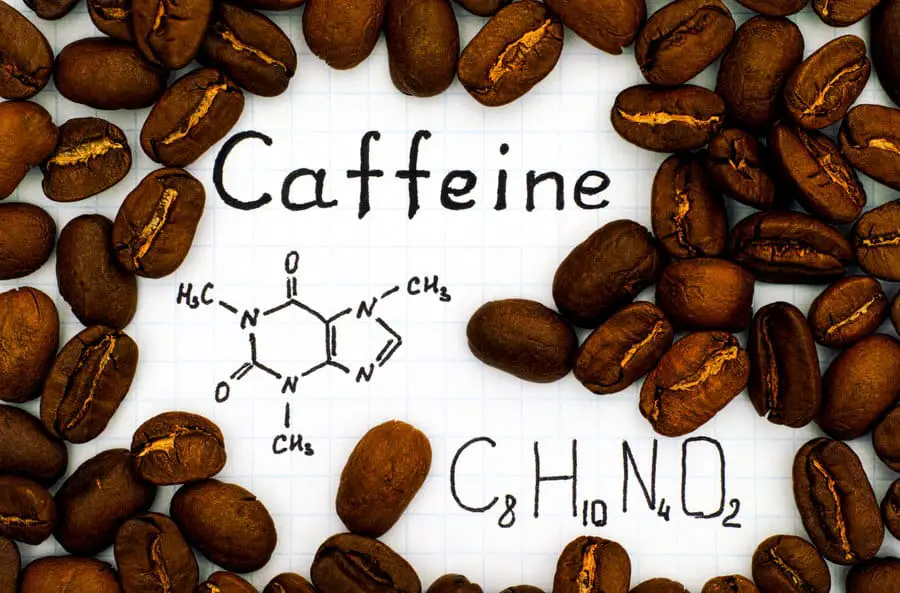
Red Bull contains 80 mg of caffeine per 250 ml, and that stays the same across can sizes, so bigger cans simply have more. Coffee varies much more: a light cup of drip might have 80 mg, while a strong mug from a coffee shop can easily pass 200 mg.
| Drink | Size | Caffeine |
|---|---|---|
| Red Bull | 8.4 oz (250 ml) | 80 mg |
| Red Bull | 12 oz (355 ml) | About 114 mg |
| Red Bull | 16 oz (473 ml) | About 151 mg |
| Red Bull | 20 oz (591 ml) | About 189 mg |
| Brewed coffee | 8 oz | About 96 mg |
| Brewed coffee | 12 oz | About 140 mg |
| Espresso drink (double shot) | Any size | About 128 mg |
| Cold brew | 12 oz | Varies widely, often more than drip |
Coffee figures are typical averages. See how much caffeine is in coffee for more.
So why does Red Bull often feel stronger? A can is usually finished in a few minutes, while a hot coffee is sipped slowly, so the caffeine hits all at once. The 27 g of sugar adds a quick rush of its own, followed by a dip as your blood sugar falls. The cold, fizzy, sweet taste helps the effect feel more intense, too.
Sugar and Calories
This is the biggest difference. One 8.4 oz can of Red Bull has 27 g of sugar. The American Heart Association recommends no more than about 36 g of added sugar a day for men and 25 g for women, so a single small can uses up most or all of that. A 16 oz can has about 51 g.
Red Bull Sugarfree and Zero have no sugar and very few calories, sweetened instead with artificial sweeteners such as aspartame and acesulfame potassium. Black coffee has no sugar and almost no calories. Of course, a caramel latte or a sweetened iced coffee can easily match or beat a can of Red Bull, so what you add matters. For lighter ways to flavor coffee, try cinnamon or a pinch of salt.
What Else Is in Red Bull?
Besides caffeine and sugar, Red Bull contains taurine, an amino acid, and B vitamins (B3, B5, B6 and B12), plus acids, flavorings and colors. Red Bull markets these as part of its formula, but the caffeine and sugar do almost all of the work you feel. Most people already get plenty of B vitamins from food, and research on taurine in energy drinks has not shown clear benefits.
Coffee is simply roasted coffee and water. Along with caffeine, it contains antioxidants such as chlorogenic acids, and moderate coffee drinking has been linked in large studies to lower risks of type 2 diabetes, Parkinson’s disease and some liver conditions. Those are associations, not guarantees, but they are better studied than anything in an energy drink.
Which Is Better for You?
- For everyday energy: black or lightly sweetened coffee. More caffeine, no sugar, almost no calories, and a much lower cost per cup.
- For a cold drink on the go: coffee still works. Canned cold brew, nitro cold brew and iced coffee now sit in the same coolers as energy drinks.
- If you like Red Bull: the sugar-free version avoids the sugar, but keep an eye on how many cans you drink.
- For teens and kids: pediatric experts advise against energy drinks for children and teenagers.
Either one can cause jitters, a racing heart or poor sleep if you overdo it. The US Food and Drug Administration considers up to 400 mg of caffeine a day generally safe for healthy adults, which is about four cups of brewed coffee or five small cans of Red Bull. Pregnant people and anyone with a heart condition or caffeine sensitivity should talk to their doctor about their limit. Avoid caffeine late in the day if it affects your sleep.
Can You Drink Red Bull and Coffee Together?
Yes, but count the total. A cup of coffee and a small can of Red Bull add up to about 175 mg of caffeine, which is fine for most healthy adults. A large coffee-shop cold brew plus a 16 oz can, though, could put you near 400 mg in one go. Some people mix Red Bull with espresso or cold brew over ice for a “Red Bull coffee”; if you do, treat it as a double dose. Never mix energy drinks with alcohol, because the caffeine can hide how drunk you feel.
Cost: Red Bull vs Coffee
A single can of Red Bull usually costs a few dollars, and multipacks bring that down only a little. Coffee brewed at home with good whole beans typically costs well under a dollar a cup, and even café coffee usually gives you more caffeine per dollar. If you want to save money and still enjoy great coffee, a simple French press or pour-over setup pays for itself quickly.
A Quick History
Red Bull launched in Austria in 1987. Austrian entrepreneur Dietrich Mateschitz based it on Krating Daeng, a Thai energy drink made by Chaleo Yoovidhya, and the two founded the company together. Coffee’s history goes back many centuries, to Ethiopia and Yemen, before it spread through the Middle East to Europe and the rest of the world. Read more in our history of coffee.

Former roastery owner and coffee tour operator. Steve spent five years roasting coffee for his own shop and wholesale customers. More about Steve