
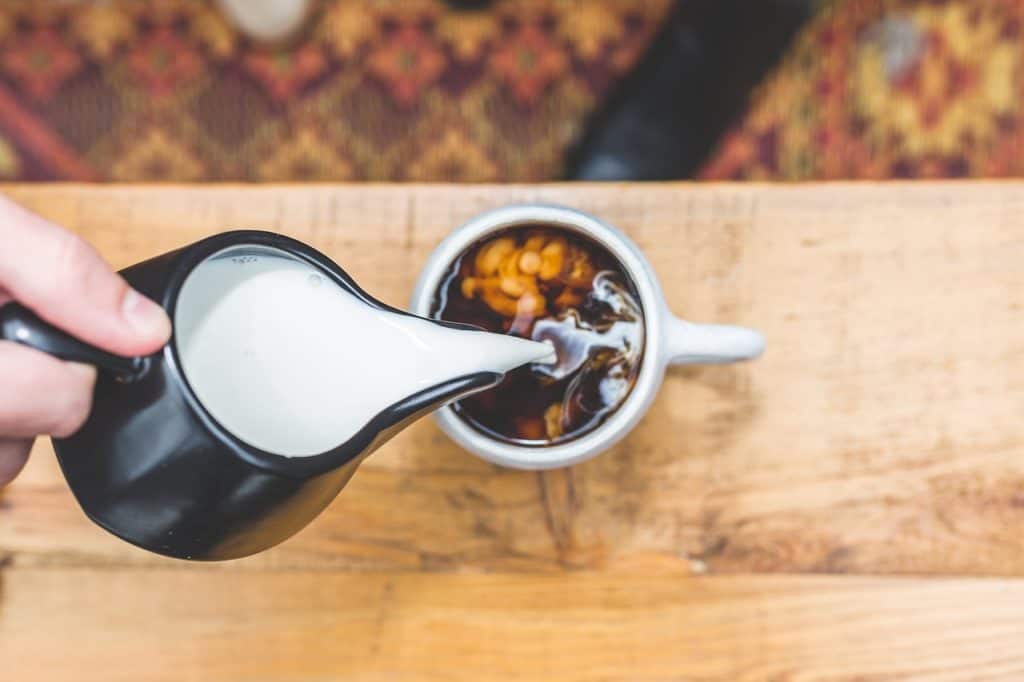
Coffee creamer is a ready-made substitute for milk or cream in coffee. Most supermarket creamers are made mainly of water, sugar and vegetable oil, plus small amounts of thickeners, emulsifiers and flavoring, which together make it creamy, sweet and slow to spoil. It comes as a refrigerated liquid, a shelf-stable liquid in single-serve cups, or a powder. “Non-dairy” creamer usually contains no milk or cream, but many brands include sodium caseinate, a milk protein, so it is not always vegan. There are also creamers made from real cream and from plant milks such as oat, almond and coconut.
What Is Coffee Creamer Made Of?
Ingredients vary by brand, but a typical flavored liquid creamer lists something like this. Ingredients are listed by weight, so the first few make up most of the bottle.
| Ingredient | What it does |
|---|---|
| Water | The base of liquid creamers |
| Sugar or corn syrup solids | Sweetness and body; corn syrup solids are the main ingredient in many powders |
| Vegetable oil | Replaces milk fat for a creamy feel; often soybean, palm or coconut oil |
| Sodium caseinate | A milk protein that helps creamer whiten and mix into coffee |
| Mono- and diglycerides | Emulsifiers that keep the oil and water from separating |
| Dipotassium phosphate | Balances acidity so the creamer does not curdle in hot coffee |
| Gums and carrageenan | Thicken the creamer and keep it smooth |
| Natural and artificial flavors | Vanilla, hazelnut, caramel and other flavors |
Sugar-free creamers swap the sugar for sweeteners such as sucralose. Plant-based creamers use oat, almond, coconut or soy as the base, and dairy creamers start with milk and cream.
Powdered non-dairy creamer appeared in the 1950s, and Carnation’s Coffee-mate, launched in 1961, made it a kitchen staple. Liquid flavored creamers followed and are now the biggest sellers.
What Does Creamer Do in Coffee?
- Lightens the color and gives coffee a creamy, smooth body.
- Softens bitterness, which is why many people use it with dark roasts or cheaper coffee.
- Sweetens and flavors the cup in one step, so you do not need sugar or syrup.
- Keeps longer than milk: powders and single-serve cups need no fridge, and refrigerated liquid creamers last longer than milk once opened.
- Works without milk for people who avoid dairy or lactose, as long as they check the label.
Creamer does hide some of the coffee’s own flavor. That is fine with an everyday cup, but with a good single-origin pour-over you may want to taste it black first, or use a splash of milk instead.
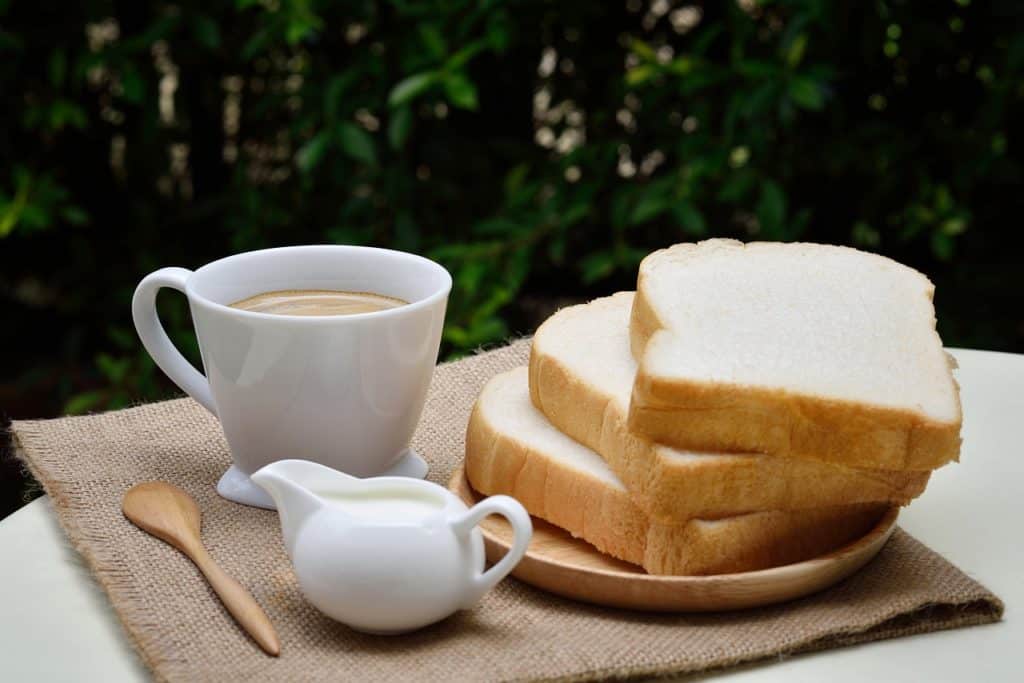
Types of Coffee Creamer
| Type | What it is | Good to know |
|---|---|---|
| Refrigerated liquid | The flavored bottles in the dairy case | The most popular type; refrigerate and use within about 2 weeks of opening |
| Single-serve cups | Small shelf-stable liquid portions | Common in offices, diners and hotels; no fridge needed until opened |
| Powdered | Dry creamer made mostly from corn syrup solids and oil | Cheapest per cup and keeps longest; can clump in damp air |
| Plant-based | Made from oat, almond, coconut or soy | Usually dairy-free and vegan; check for added sugar |
| Dairy creamer | Made from milk and cream with sugar and flavor | Closer to half-and-half; contains lactose |
| Sugar-free and keto | Sweetened with sucralose, stevia or similar, or unsweetened heavy cream | Lower in sugar, but still contains oil or fat |
Creamer vs Half-and-Half, Milk and Cream
The main difference is that half-and-half, milk and cream are plain dairy, while most creamers are sweetened, flavored blends made with vegetable oil. Half-and-half is simply a mix of milk and cream with about 10.5 to 18% milk fat. It is creamier than milk but has no added sugar, and it can be used for cooking and baking as well as coffee. It is also the base of a breve, the espresso drink made with steamed half-and-half.
| Option | Calories | Sugar | Taste in coffee |
|---|---|---|---|
| Flavored liquid creamer | About 30 to 40 | About 5 g, added | Sweet, flavored, creamy |
| Powdered creamer (1 tsp) | About 10 | About 1 g | Mild, slightly sweet |
| Half-and-half | About 20 | Under 1 g, natural | Rich and creamy, not sweet |
| Whole milk | About 9 | About 0.75 g, natural | Light and slightly sweet |
| Heavy cream | About 50 | Under 0.5 g, natural | Very rich and thick |
Figures vary by brand. Check the nutrition label, and note that the serving size on most creamer bottles is 1 tablespoon, which is less than many people pour.
Is it better to use milk or creamer? It depends on what you want. Milk and half-and-half give a creamy, natural flavor with no added sugar, and the milk proteins and fat soften coffee’s bitterness. Creamer is sweeter, comes in many flavors and keeps longer. If you want flavor without the oils, a splash of milk with a little coffee syrup is a good middle ground. Our guide to the best milks and non-dairy milks for coffee compares the options.
Is Non-Dairy Creamer Really Dairy-Free?
Not always. US rules let a product be labeled “non-dairy” even when it contains sodium caseinate, as long as the label notes it is a milk derivative. Caseinate has little or no lactose, so many people with lactose intolerance do fine with it, but it is not suitable for anyone with a milk allergy or for vegans. If you avoid dairy completely, look for creamers labeled “dairy-free,” “plant-based” or “vegan,” and check the ingredient list for casein or caseinate.
Is Coffee Creamer Bad for You?
A splash of creamer is fine for most people, but it adds up. The main things to watch are added sugar, since a few generous pours of flavored creamer can add 15 g or more to one cup, and the oils that make up most of the fat. Older creamers often used partially hydrogenated oils, a source of trans fat; the FDA removed these from approved food ingredients, with the main deadline in 2018, so current US creamers use other oils.
To keep it in check, measure your creamer for a few days to see how much you actually use, try a sugar-free or unsweetened version, or switch to milk or half-and-half. If you follow a low-carb diet, heavy cream is the usual choice; see our guide to keto coffee.
Popular Coffee Creamer Flavors
Vanilla and French vanilla, hazelnut, caramel and sweet cream are the year-round favorites. Others include mocha, almond, coconut, cinnamon and Irish cream, plus seasonal flavors such as pumpkin spice in the fall and peppermint mocha at Christmas. You can also flavor coffee without creamer: a pinch of ground cinnamon in the grounds or a pump of syrup with milk gives a similar result with fewer additives.
How to Make Homemade Coffee Creamer
Homemade creamer takes five minutes, uses three ingredients, and has no oils or thickeners.
Vanilla coffee creamer (about 3 cups)
5 minutes. Keeps about 1 week in the fridge.
- 1 can (14 oz) sweetened condensed milk
- 1¾ cups (420 ml) milk or half-and-half
- 2 tsp vanilla extract
- Mix. Pour the condensed milk and milk or half-and-half into a jar or bottle with a lid.
- Flavor. Add the vanilla, close the lid and shake well until smooth.
- Chill and use. Refrigerate, shake before each use, and add 1 to 2 tbsp to a cup of coffee.
Variations: for cinnamon creamer, add 1 tsp ground cinnamon; for mocha, whisk in 2 tbsp cocoa powder; for pumpkin spice, add 2 tbsp pumpkin purée and 1 tsp pumpkin pie spice. For a dairy-free version, use sweetened condensed coconut milk and oat milk. It is also lovely warmed and frothed; see our guide on how to froth milk.
For homemade creamer
- Glass bottles with lids: for mixing, shaking and storing creamer. Shop on Amazon →
- Pure vanilla extract: the main flavor in vanilla creamer. Shop on Amazon →
- Handheld milk frother: whips warm creamer into foam. Shop on Amazon →
As an Amazon Associate we earn from qualifying purchases.
How to Store Coffee Creamer
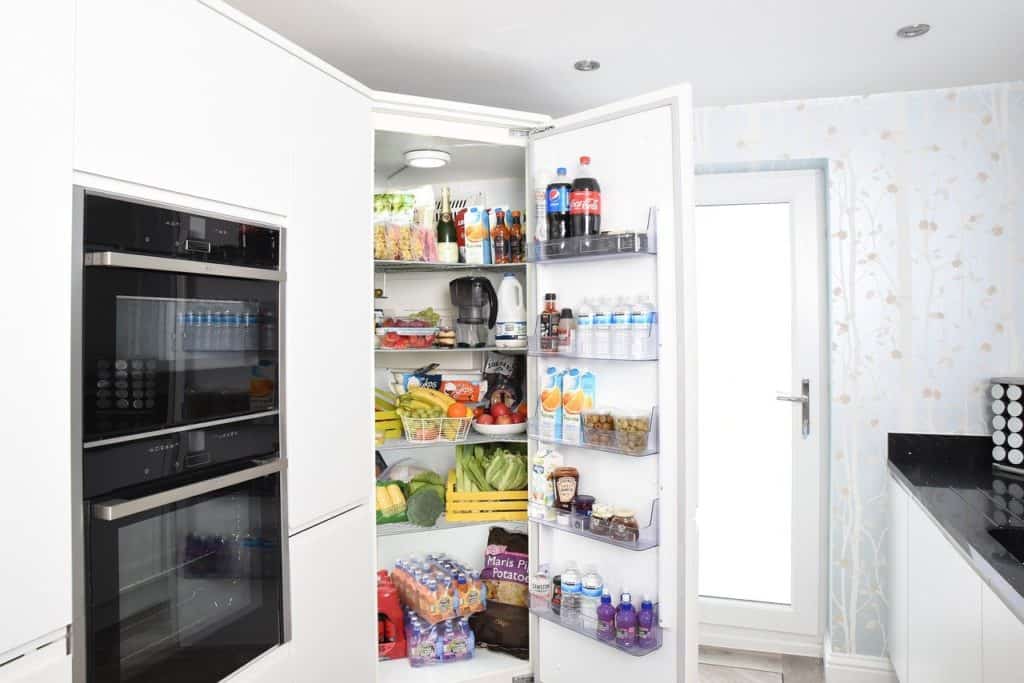
- Refrigerated liquid creamer: keep it in the fridge and use it within about 2 weeks of opening, or by the date on the bottle if that comes first.
- Shelf-stable cups and bottles: store at room temperature until opened, then refrigerate an opened bottle.
- Powdered creamer: keep it tightly sealed in a cool, dry cupboard and use it by the best-by date. Moisture makes it clump.
- Homemade creamer: refrigerate in a sealed jar and use within about 1 week.
Throw creamer out if it smells sour, turns lumpy or thick, or separates and will not mix back together when shaken.
Creamer works in any coffee, from drip to an espresso-based iced latte. If you prefer real dairy, a breve made with half-and-half is the richest option.

Former roastery owner and coffee tour operator. Steve spent five years roasting coffee for his own shop and wholesale customers. More about Steve