
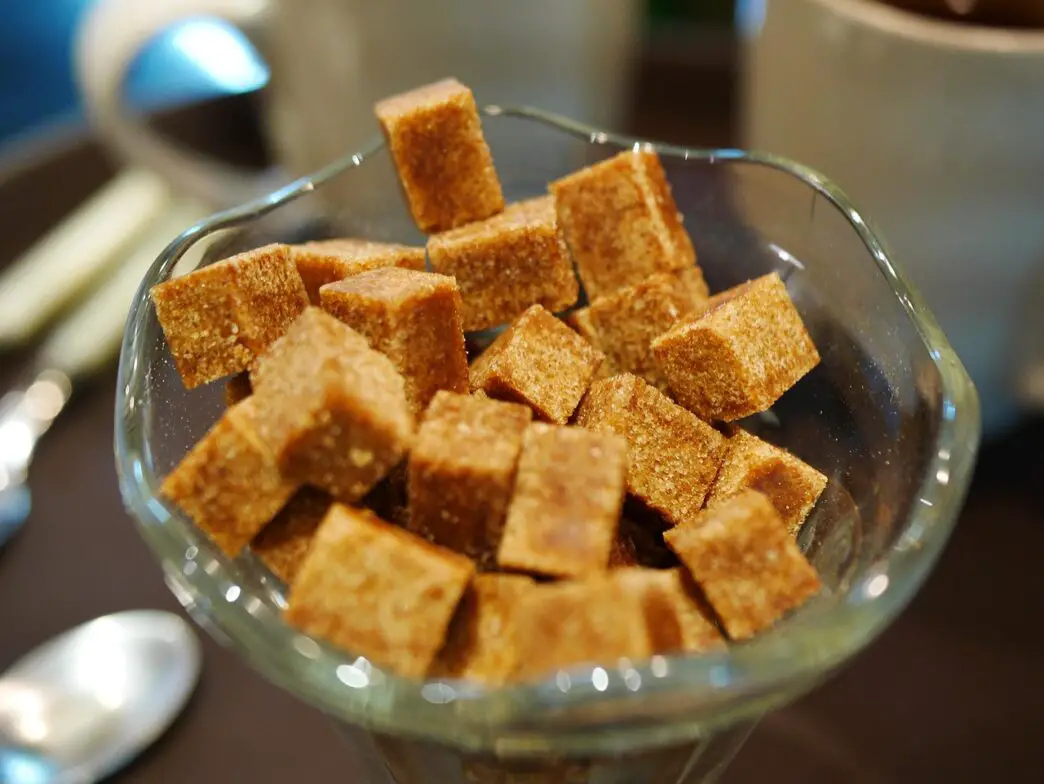
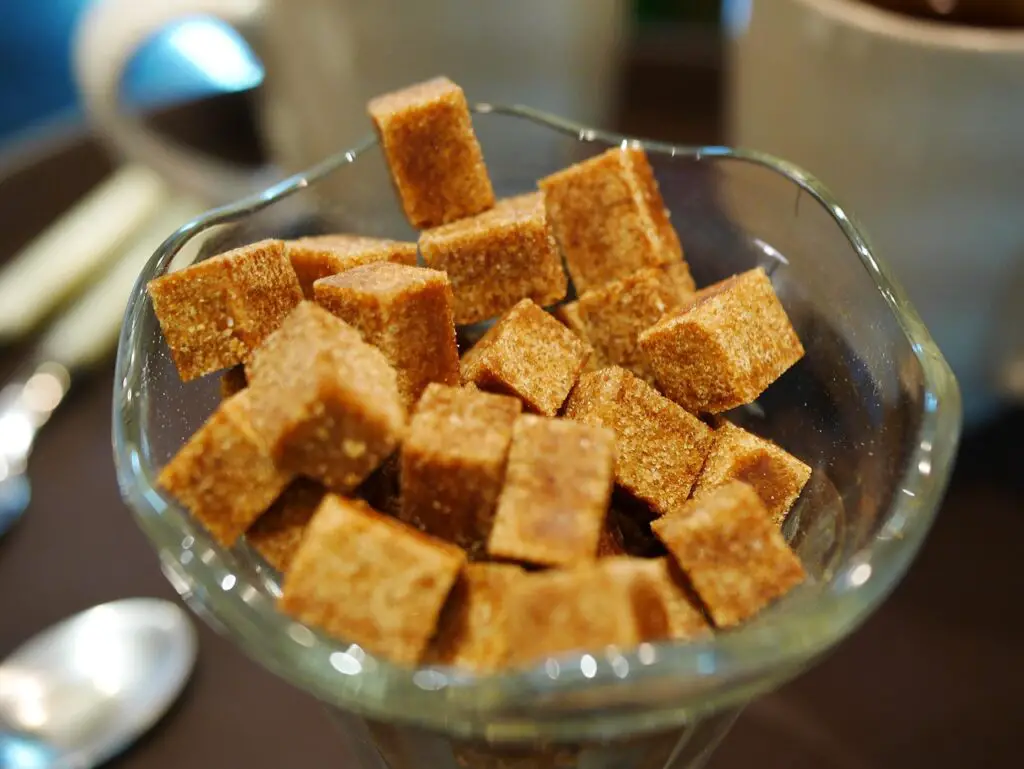
You might grab white sugar for your morning coffee out of habit, but brown sugar offers a different twist. It brings a subtle caramel note that pairs well with the bitterness of coffee. I started using it a few months back, and it has become a go-to for my afternoon brew. In this post, I’ll cover what brown sugar is, how it stacks up against white sugar, and practical ways to add it to your coffee routine.
What Brown Sugar Brings to the Table
Brown sugar starts as regular cane sugar, but it keeps some molasses from the refining process. That molasses gives it a moist texture, a tan color, and a flavor that hints at toffee or caramel. You have light brown sugar, which has less molasses, and dark brown sugar, which packs more for a bolder taste.
The molasses also adds trace minerals like calcium, iron, copper, and zinc, plus a bit of vitamin B6. These amounts are small, though, so don’t count on it for major nutrition. Compared to white sugar, which gets stripped of molasses during processing, brown sugar holds onto that extra character.
A Quick Look at Sugar’s Role in Coffee History
Coffee and sugar go way back. Records show people adding sugar to coffee as early as the 1500s in the Middle East. As coffee spread to Europe around the 1600s, sugar became a standard addition, especially among the upper class. Brown sugar, in its modern form, came from the molasses byproduct of sugar refining, which started gaining popularity in the 18th and 19th centuries.
By the 1800s, sugar production ramped up with plantations in the Caribbean and elsewhere, making it more accessible. Today, adding sugar—brown or otherwise—remains a personal choice, but brown sugar’s flavor profile nods to those early sweetened brews.
Why Brown Sugar Works Well in Coffee
Brown sugar changes the taste of coffee in a way white sugar doesn’t. White sugar just adds plain sweetness, letting the coffee’s notes stand alone. Brown sugar, with its molasses, introduces a warm, caramel undertone that rounds out the edges of a bold roast. It can make a medium or dark roast feel smoother and more balanced.
Many coffee drinkers notice the difference right away. The molasses enhances chocolatey or nutty flavors in the beans without overpowering them. For iced coffee, it melts into a richer syrupy layer. Even in small amounts, it shifts the profile from straightforward to something with more depth.
Health-wise, the switch doesn’t move the needle much. Both sugars have about 16-17 calories per teaspoon, and brown sugar’s minerals don’t offset the overall sugar intake. If you’re watching calories, portion it the same as white sugar.
| Aspect | Brown Sugar | White Sugar |
|---|---|---|
| Flavor | Caramel, molasses notes | Neutral sweetness |
| Texture | Moist, can clump | Dry, granular |
| Dissolves In | Hot coffee easily; iced needs stirring or syrup | Both hot and cold easily |
| Calories/Tsp | 17 | 16 |
| Best For | Dark roasts, lattes | Light roasts, black coffee |
| Nutrients | Trace minerals from molasses | Minimal |
This table sums up the basics. Brown sugar shines in drinks where you want extra layers, while white keeps things simple.
How to Add Brown Sugar to Your Coffee
Start simple: Spoon in a teaspoon of brown sugar to your hot coffee and stir until it dissolves. For a bolder hit, use dark brown sugar in a French press or pour-over. Light brown works for milder blends.
Brown sugar’s moisture means it might not dissolve as quickly in cold drinks, so make a simple syrup first. Heat equal parts brown sugar and water in a saucepan until it melts, then cool it. This takes about five minutes and stores in the fridge for a week. Add a tablespoon to iced coffee for even sweetness.
Tips to get it right:
- Use less at first—brown sugar’s flavor hits stronger than white, so half a teaspoon might do.
- Pair it with darker roasts; they handle the molasses better than light ones.
- Stir thoroughly in hot coffee to avoid grit.
- For espresso drinks, drizzle syrup over ice before adding shots—it mixes faster.
- Experiment with add-ins like a dash of cinnamon to amplify the warmth.
If your brown sugar has hardened, soften it by adding a slice of bread to the container overnight.
Simple Recipes to Try
Here are three straightforward recipes using brown sugar. They use basic ingredients and take under 10 minutes.
Basic Brown Sugar Hot Coffee
Brew 8 ounces of your favorite coffee. Stir in 1 teaspoon light brown sugar until dissolved. Add a splash of milk if you like. This keeps the coffee’s origin notes front and center with a subtle caramel edge. Total time: 2 minutes. Serves 1.
Iced Brown Sugar Latte
Make brown sugar syrup: Simmer ½ cup brown sugar and ½ cup water for 3 minutes, then cool. Pour 2 ounces espresso over ice in a glass. Add 2 tablespoons syrup and 4 ounces milk. Stir and top with a pinch of cinnamon. The cold shake brings out the syrup’s smoothness. Total time: 5 minutes. Serves 1.
Brown Sugar Cinnamon Coffee
Brew 6 ounces coffee. Mix 1 tablespoon brown sugar with ¼ teaspoon cinnamon in the bottom of your mug. Pour hot coffee over and stir. Froth 2 ounces milk and add on top. The spice cuts through the sweetness nicely. Total time: 4 minutes. Serves 1.
These recipes scale easily. Adjust sugar to taste, but keep it under 2 tablespoons per cup to avoid overpowering the coffee.
Things to Watch Out For
Brown sugar isn’t perfect for every setup. Its moisture can cause clumping in humid storage, so keep it in an airtight container. In coffee, undissolved bits might leave a grainy feel, especially in cold brews— that’s why syrup helps.
On the health side, it’s still refined sugar. Overdoing it leads to the same issues as white sugar: blood sugar spikes, weight gain if excessive. No evidence shows brown sugar causes fewer problems; the molasses doesn’t change the glycemic impact much.
Production-wise, both sugars tie into large-scale farming that affects the environment, from water use to habitat loss. If sustainability matters, look for fair-trade options.
Some find the molasses flavor too strong, masking delicate coffee notes. Test it in small batches.
Wrapping It Up
Brown sugar adds a layer of interest to coffee without much effort. Its caramel notes complement roasts that need balancing, and simple tweaks like syrup make it versatile for hot or cold drinks. Next time you brew, try a teaspoon and see how it shifts things. It might just stick around in your routine.