
You pull a shot of espresso, and that rich aroma hits you. The crema sits on top like a golden crown. But how quickly do you need to sip it before it loses its edge? Many coffee drinkers wonder this, especially at home where you’re not rushing like in a busy cafe.
The answer comes down to flavor, texture, and temperature. Based on what baristas and coffee experts observe, you have a narrow window—typically 30 seconds to two minutes—to get the best out of it. Let’s break it down step by step.
What Happens Right After You Pull the Shot
When you extract espresso, hot water forces through finely ground coffee under pressure. This pulls out oils, acids, sugars, and other compounds in about 25 to 30 seconds for a standard double shot. The result is a concentrated liquid with a layer of crema—that frothy emulsion of air, water, and coffee lipids. Right at the start, everything is at its peak. The shot is hot, around 160 to 170 degrees Fahrenheit, and the flavors are balanced if you dialed in your grind and dose correctly.
But things shift fast. As soon as the shot hits the cup, exposure to air begins the process. Oxygen interacts with the compounds, starting subtle changes. In experiments shared by coffee pros, a fresh shot left sitting for just a minute shows a shift: the crema starts to break down, and the taste moves from syrupy and bittersweet to cooler and more ashy. This isn’t dramatic at first, but it adds up. Baristas often say the “life” of a shot is short because those initial moments preserve the coffee’s complexity.
The Crema Factor
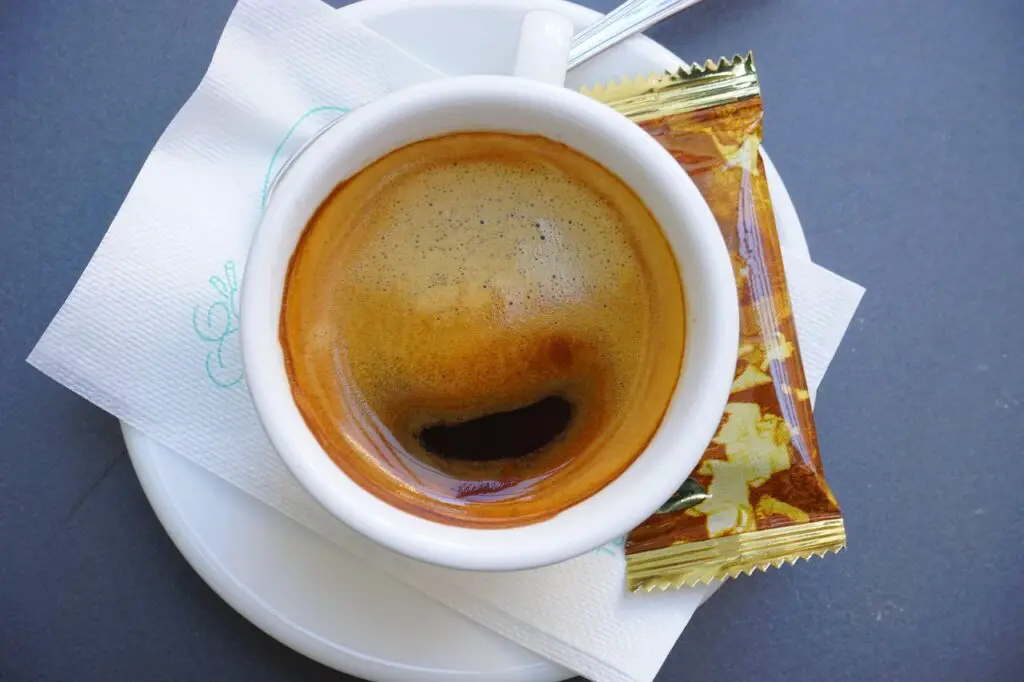
Crema is one of the first things to go, and it’s a big part of what makes espresso feel authentic. This foam forms during extraction from the pressure and the coffee’s natural oils. A good crema should be thick enough to hold a teaspoon of sugar for a few seconds, as some Italian traditions describe. But once poured, it begins to dissipate. Water evaporates from the surface, and the lipids in the foam start to separate and sink back into the liquid.
How long does it last? Observations from home baristas and cafe workers put it at about 60 seconds before noticeable thinning. After that, the top layer collapses, and you lose that visual and textural appeal. Some tests show the color darkening from a warm brown with beige crema to a flat black in as little as 10 seconds if left untouched.
Without crema, the mouthfeel changes—espresso feels thinner, less velvety. If you’re drinking straight, this hits hard. For drinks like lattes, the crema might integrate better when you add milk, but for a solo shot, aim to sip before it fades.
Flavor Degradation Step by Step
Flavor is where time really bites. Espresso’s taste profile—notes of chocolate, fruit, or nuts—comes from a precise balance of extraction. Once out of the machine, that balance unravels. Chlorogenic acids, which contribute to brightness, start breaking down into quinic acids, which taste bitter and metallic. Oils oxidize, leading to rancid or musty hints over minutes.
In one taste test, a shot sipped right away had complex layers. After a minute, it turned burned and flat. Another account notes that within 10 seconds, tasting notes shift from vibrant to dull, especially if the shot sits without stirring. By two minutes, the delicate bouquet—those subtle aromas and aftertastes—starts to fade entirely.
This isn’t just opinion. Competitive baristas at events like the U.S. Barista Championships often tell judges to wait a bit for cooling but consume soon after to catch the nuances. If you wait longer, say 5 or 10 minutes, the shot might still be safe to drink—coffee doesn’t spoil quickly at room temp—but the enjoyment drops. It becomes more like weak, bitter tea than bold espresso.
Temperature plays into this too. Fresh shots are scalding, masking some flaws with heat. As it cools to around 140 degrees, flavors pop more clearly. But push past that, and the cold amplifies any off-notes. Most agree: drink within one minute for the full experience.
Why Shops Sometimes Wait

You’ve probably seen baristas pull a shot and let it sit while steaming milk. Does that ruin it? Not always. For milk-based drinks, the wait—often 20 to 30 seconds—doesn’t kill the shot if the coffee is high quality. The milk’s temperature and froth can revive some texture. But for straight espresso, cafes serve it pronto. Standards from places like Italy emphasize immediate consumption to honor the shot’s freshness.
At home, without the rush, it’s easy to let it linger. If you’re pulling for yourself, time it right. Start your extraction, and have your cup ready. Sip as the last drops fall, or give it 10-20 seconds to cool if it’s too hot.
Tips to Maximize Your Window
Pulling a good shot sets the stage, but handling it well extends that fresh period slightly. Use a preheated cup to keep heat in longer—this slows cooling and crema breakdown. Avoid tall, narrow glasses that let air hit more surface area; opt for demitasse cups instead.
Stir gently if the crema seems stubborn. This mixes it back in without losing too much air. And dose accurately: 18 grams in for a double shot yields about 36 grams out, keeping extraction even.
If you’re sensitive to heat, blow on it lightly or let it sit 15 seconds. But don’t walk away. For storage? Refrigerate if you must, but flavor holds only a day or two max, and it’s not the same as fresh. Better to pull small batches and drink right then.
When Fresh Isn’t an Option
Life happens. If you pull a shot and get interrupted, it’s not worthless after two minutes. The safety window is longer—up to a day at room temp or 4-7 days chilled—but taste suffers. Use it for iced drinks or as a base for something else, like a simple affogato. Just know it won’t match that first-pulled magic.
In the end, the rule is simple: treat espresso like it’s alive and kicking for about a minute. Pull it fresh, serve it fast, and drink it before the crema fades and flavors flatten. Next time you fire up your machine, set a mental timer. You’ll notice the difference in every sip. If you’re experimenting at home, track your pulls—time, taste, and tweaks—to nail your routine. That’s how you make each shot count.