
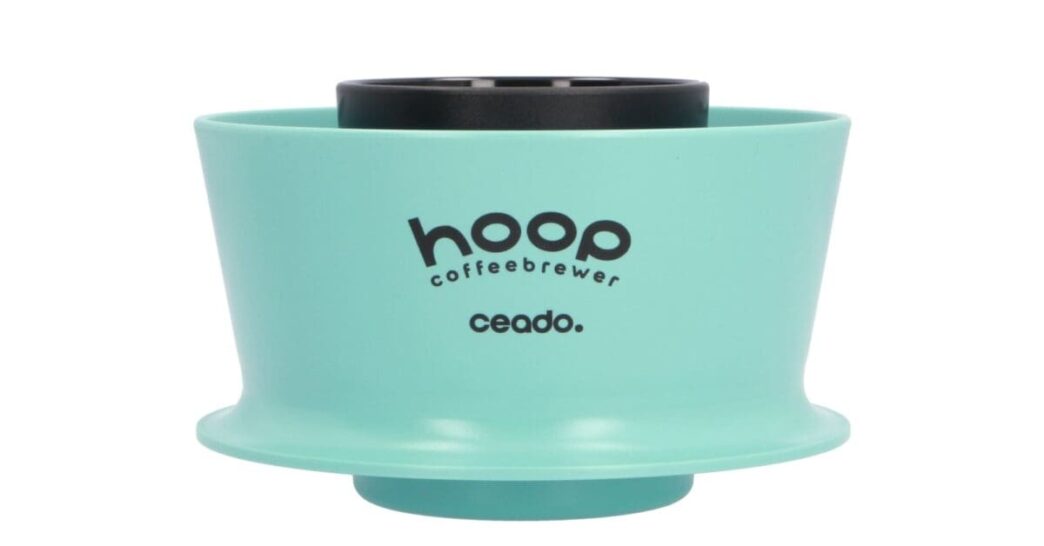
If you’re into craft coffee, you know the appeal of pour-over brewing—clean flavors, control over the process, and that hands-on feel. But sometimes, you just want reliable results without fussing over pour techniques or timing every swirl. That’s where the Ceado Hoop Brewer comes in. This compact device from Ceado, a company better known for its grinders, simplifies pour-over into a near set-it-and-forget-it method. It won the Specialty Coffee Association’s Best New Product award in 2023 for consumer coffee gear, and it’s held up as a solid option for home brewers seeking steady outcomes.
The Hoop stands out for its radial infusion design, which spreads water evenly across the coffee grounds. No more uneven extraction from rushed pours or inconsistent flow. It’s made from BPA-free plastic, lightweight, and affordable—often around $35, including a starter pack of filters. For those who brew daily but don’t want to overthink it, this brewer delivers sweet, full-bodied cups with minimal effort. Let’s break down what makes it tick and how to make the most of it.
Design and Features of the Ceado Hoop Brewer
At first glance, the Ceado Hoop looks straightforward: a flat-bottom base with a central tower that screws in place. The base holds a round paper filter, and the tower has small holes along its bottom edge. These holes allow water to flow radially—meaning outward from the center—into the coffee bed. This setup ensures even saturation without bypass, where water sneaks around the grounds instead of passing through them.
The brewer measures about 4 inches across, fitting standard mugs or servers up to 12 ounces. It comes in colors like black, white, or clear “ghost” versions, and there’s an optional hood to help retain heat during brewing. Without the hood, you might notice some temperature drop over the 3- to 4-minute brew time, so starting with near-boiling water helps.
One key aspect is its no-bypass nature. In traditional pour-overs like the Hario V60, some water can flow down the sides, diluting the brew. The Hoop prevents that, forcing all water through the coffee for higher extraction yields—typically around 18-22%, which translates to richer taste. Total dissolved solids (TDS), a measure of how much coffee solids end up in your cup, often hit a balanced 1.2-1.5% with this method.
Ceado designed it for ease, and it shows. No need for gooseneck kettles or precise pouring patterns. Just add grounds, attach the tower, and pour water into the outer ring. Gravity and the hole design handle the rest, distributing water slowly and evenly. It’s compact enough to store easily and dishwasher-safe for cleanup.
Step-by-Step Guide to Brewing with the Ceado Hoop
Getting started with the Ceado Hoop is simple, even for beginners. Here’s a basic recipe for a single 12-ounce cup using 20 grams of coffee—a common ratio of 1:15 coffee to water.
- Grind your coffee coarse, similar to what you’d use for a French press. Aim for a 3–4-minute drawdown.
- Place a paper filter in the base. Ceado’s filters are thin and optimized for the Hoop, but Aeropress filters work in a pinch—they fit perfectly and provide similar flow.
- Screw the tower into the center, securing the filter.
- Rinse the filter with hot water to remove any papery taste and preheat the brewer. Discard the rinse water.
- Add 20 grams of freshly ground coffee to the base around the tower. Give it a gentle shake to level the bed.
- Pour 300 grams of hot water (around 200-205°F) into the outer ring. Do it all at once—no need for blooming or multiple pours.
- Let it sit. The water will infuse radially through the holes, saturating the grounds evenly. Expect the full drawdown in 3-5 minutes.
- Remove the brewer from your mug, stir the coffee if desired, and enjoy.
This method yields a clean, sweet cup with pronounced origin notes—think bright acidity from Ethiopians or chocolatey depth from Brazilians. If your brew tastes weak, try a finer grind or more coffee. For stronger results, go coarser and increase the dose slightly. Extraction yield stays remarkably consistent across variables, thanks to the design.
Pros and Cons: What Users Say About the Ceado Hoop
From home brewers and cafe pros alike, the Hoop gets praise for its reliability. It’s ideal for busy mornings when you want good coffee without monitoring every second. The even infusion leads to full-bodied brews with low bitterness, even from darker roasts. In cafes, it saves time since baristas can start a brew and multitask.
On the downside, the slow drawdown—often 4 minutes or more—means it’s not the quickest option. Heat loss can be an issue without the hood, so your coffee might cool faster than in insulated brewers. Adjustability is limited; while you can tweak grind and ratio, the radial flow locks in a specific profile. If you love experimenting with agitation (stirring the slurry) or pulse pouring, this might feel restrictive compared to open drippers.
Durability holds up well—it’s plastic but sturdy, with no reports of cracking under normal use. At its price, it’s a low-risk entry into no-bypass brewing, especially if you’re upgrading from basic drip machines.
How the Ceado Hoop Compares to Other Pour-Over Brewers
Stack the Hoop against classics like the Kalita Wave or Hario V60, and its hands-off approach shines. The V60 demands skillful pouring for even extraction, rewarding practice with nuanced cups but punishing errors with channeling (uneven water paths). The Kalita’s flat bottom offers more forgiveness, but still requires attention.
The Hoop edges them out in consistency, behaving more like an immersion brewer such as the Clever Dripper or Aeropress. Like the Clever, it steeps grounds before draining, but the radial design adds even flow without valves. Versus the Aeropress, it’s less versatile—no inverted methods or pressure—but easier for filter-style coffee.
For batch brewing, it scales up decently; use a larger server for two cups. If you prefer automation, electric drippers like the Moccamaster outpace it in speed, but lack the manual charm. Overall, the Hoop fills a niche for those wanting pour-over quality with immersion simplicity.
| Brewer | Brew Time | Ease of Use | Adjustability | Typical Cup Profile |
|---|---|---|---|---|
| Ceado Hoop | 3-5 min | High | Low | Sweet, full-bodied |
| Hario V60 | 2-3 min | Medium | High | Bright, clean |
| Kalita Wave | 2-4 min | Medium | Medium | Balanced, forgiving |
| Aeropress | 1-2 min | High | High | Versatile, concentrated |
This table highlights where the Hoop fits—great for reliability over tweaks.
Tips for Getting the Most from Your Ceado Hoop Brewer
To dial in your brews, start with fresh, light-to-medium roast beans. The Hoop excels at highlighting subtle flavors, so avoid over-roasted coffees that might turn bitter.
Water quality matters—use filtered water with minerals for better extraction. Temperature: Stick to 195-205°F; hotter for lighter roasts to pull more solubles.
Grind consistency is key. A burr grinder like Ceado’s own models ensures even particles, preventing fines that slow flow too much.
Experiment with ratios: 1:15 for standard strength, 1:17 for milder. If brews stall, check your filter—thinner ones drain faster.
Store the brewer dry to avoid mold, and replace filters regularly. With proper care, it lasts years as a daily driver.
Wrapping Up the Ceado Hoop Experience
The Ceado Hoop Brewer proves that great coffee doesn’t need complexity. Its radial infusion and no-bypass design deliver consistent, flavorful pours with little input, making it a smart pick for craft coffee enthusiasts who value ease. Whether you’re new to manual brewing or just want a reliable backup, it offers solid performance at a fair price. Give it a try if steady results sound appealing—your morning routine might thank you.