
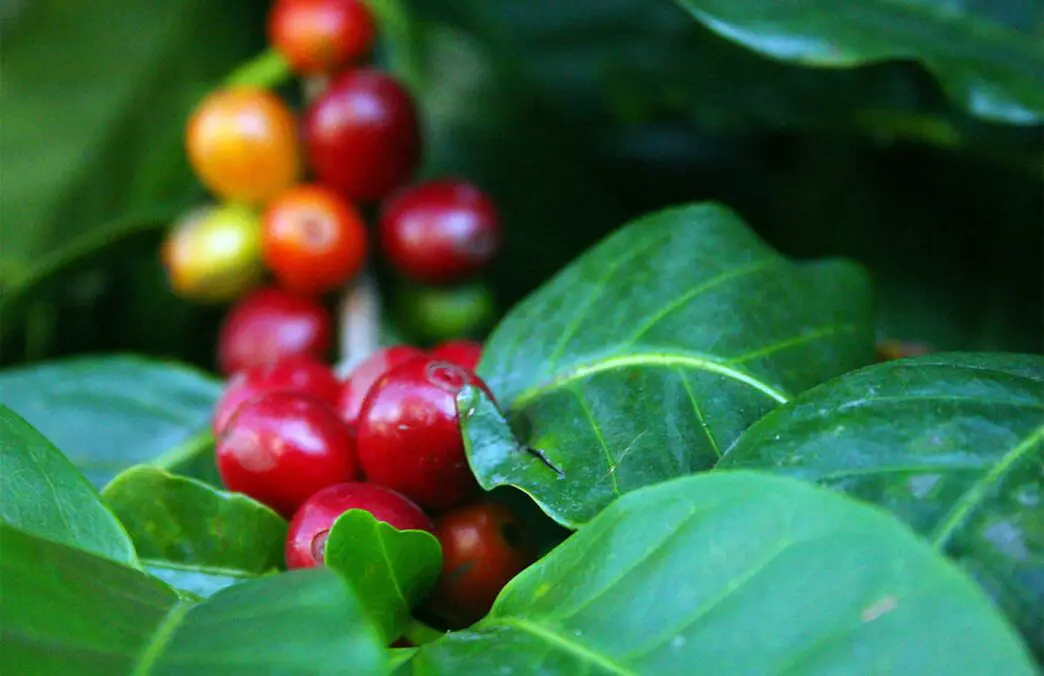
If you’ve ever sipped a cup from Ethiopian highlands and then one from lower Central American farms, you might notice sharp contrasts in brightness, body, and notes. Elevation plays a big part in that. Coffee beans from 1,200 meters above sea level often come across as balanced and smooth, while those from 1,800 meters hit with more intensity and layers. This difference stems from how altitude shapes the plant’s growth, bean density, and chemical makeup. Let’s break it down step by step.
How Altitude Shapes Coffee Growth
Coffee plants, especially Arabica varieties, respond to their surroundings. At higher elevations like 1,800 meters, temperatures drop, and the air thins. Daytime highs might reach the low 70s Fahrenheit, but nights cool off fast, sometimes dipping below 50 degrees. This swing slows the cherries’ ripening—often taking months longer than at lower spots.
Slower growth lets the beans pack in more compounds. Sugars build up gradually, and acids form without rushing. Plants face more stress from the cold, which pushes them to produce denser seeds as a survival tactic. That density translates to beans that hold onto flavors better during roasting and brewing.
At 1,200 meters, conditions feel warmer overall. Days stay in the upper 70s or low 80s, with milder nights. Cherries mature quicker, sometimes in half the time. This speed means less chance for deep flavor development. Beans end up softer and less packed with those extra elements that make a cup stand out.
Soil and rainfall factor in too. Higher spots often have volcanic soils rich in minerals, adding to the profile. But the core driver is that temperature drop with height—about 3.5 degrees Fahrenheit cooler per 1,000 feet up.
Key Flavor Differences Between 1,200m and 1,800m
Taste a coffee from 1,200 meters, and you might get a straightforward brew: nutty or chocolatey base, moderate sweetness, and a round mouthfeel. Acidity stays low-key, more like a soft apple than a zingy lemon. These coffees work well for everyday drinking or blends where you want consistency without surprises.
Jump to 1,800 meters, and the cup transforms. Expect brighter acidity that lifts the whole experience—think citrus or berry tang. Floral hints might appear, like jasmine or lavender, alongside stone fruit or honey sweetness. The finish lingers longer, with subtle layers unfolding as it cools.
Why the shift? At higher altitudes, the extended ripening boosts organic acids and sugars. Studies on Arabica show higher levels of compounds like citric and malic acids up there, which create that lively snap. Fatty acids also rise with elevation, contributing to aroma and mouthfeel.
Bean hardness matters. Softer beans from lower elevations extract faster in brewing, sometimes leading to a flatter taste if overdone. Denser high-altitude beans grind more evenly and extract steadily, pulling out nuanced elements.
Here’s a quick comparison in a table format to highlight the contrasts:
| Elevation | Growth Speed | Bean Density | Typical Acidity | Common Notes | Body |
|---|---|---|---|---|---|
| 1,200m | Faster | Softer | Moderate | Nutty, chocolate, mild fruit | Round, smooth |
| 1,800m | Slower | Denser | High | Citrus, floral, berry, honey | Light to medium, crisp |
This isn’t set in stone—processing methods like washing or natural drying can tweak things—but altitude sets the foundation.
Regional Examples of Altitude’s Impact
Look at real-world farms to see this in action. In Colombia, coffees from Nariño department often grow around 1,800 meters or higher. These deliver sharp acidity with notes of red apple and caramel, thanks to the cool Andean air. Farms here benefit from the slow pace, yielding beans that score high in cupping tests—often 85+ on the specialty scale.
Contrast that with some Brazilian estates at about 1,200 meters in Minas Gerais. These produce solid coffees with walnut and cocoa tones, full body, and lower acidity. They’re reliable for espresso bases but lack the spark of higher-grown lots.
Ethiopia offers stark examples too. Yirgacheffe coffees from 1,800-2,000 meters burst with blueberry and tea-like qualities. Lower in Sidamo, around 1,200-1,500 meters, you get more earthy, spiced profiles—still good, but less vivid.
Central America follows suit. Guatemalan Huehuetenango at 1,800 meters gives floral and stone fruit vibes, while some Nicaraguan coffees from lower Matagalpa hills at 1,200 meters lean toward balanced chocolate and nut.
Even within the same country, altitude zones create variety. Farmers at higher spots often command premium prices because buyers seek that complexity. But lower elevations aren’t inferior—they suit different preferences, like those who favor mellow brews over bright ones.
Other Factors That Interact with Altitude
Altitude doesn’t work alone. Shade from trees at higher farms slows growth further, enhancing quality. At 1,800 meters, natural canopy protects from intense sun, letting plants focus energy on beans.
Variety plays a role. Arabica thrives above 1,200 meters, where it develops best. Robusta handles lower altitudes but rarely matches Arabica’s finesse. Hybrids like Catimor can grow lower yet mimic higher traits somewhat.
Climate change adds a wrinkle. Rising temperatures push suitable zones uphill, forcing farmers to adapt. Some at 1,200 meters now face heat stress that dulls flavors, while higher areas gain from moderated warmth.
Processing amplifies altitude effects. Washed coffees from high elevations highlight clean acidity, while naturals from lower spots add fruity body. Roasters adjust too—lighter roasts suit high-altitude beans to preserve their zip, whereas medium roasts balance lower ones.
Brewing Tips for Altitude-Varied Coffees
To taste the differences, start with fresh beans and consistent methods. For 1,800-meter coffees, try pour-over with a medium-fine grind to draw out acidity. Use water at 200 degrees Fahrenheit and a 1:16 ratio for clarity.
For 1,200-meter beans, French press or cold brew brings out their smoother side. Coarser grind prevents over-extraction, keeping bitterness at bay.
Experiment side by side. Grind both to the same size, brew identically, and note variances. You might find high-altitude ones shine black, while lower ones pair well with milk.
When buying, check labels for elevation. Specialty roasters often list it, helping you pick based on mood—bright and complex for mornings, balanced and easy for afternoons.
Wrapping Up the Elevation Effect
Elevation explains a lot about why one coffee excites and another comforts. At 1,200 meters, you get approachable flavors from quicker growth; at 1,800 meters, slower maturation yields depth and zing. Both have their place in your rotation, depending on what you crave.
Next time you shop, consider altitude alongside origin and process. It guides you toward cups that match your taste, whether bold or subtle.