
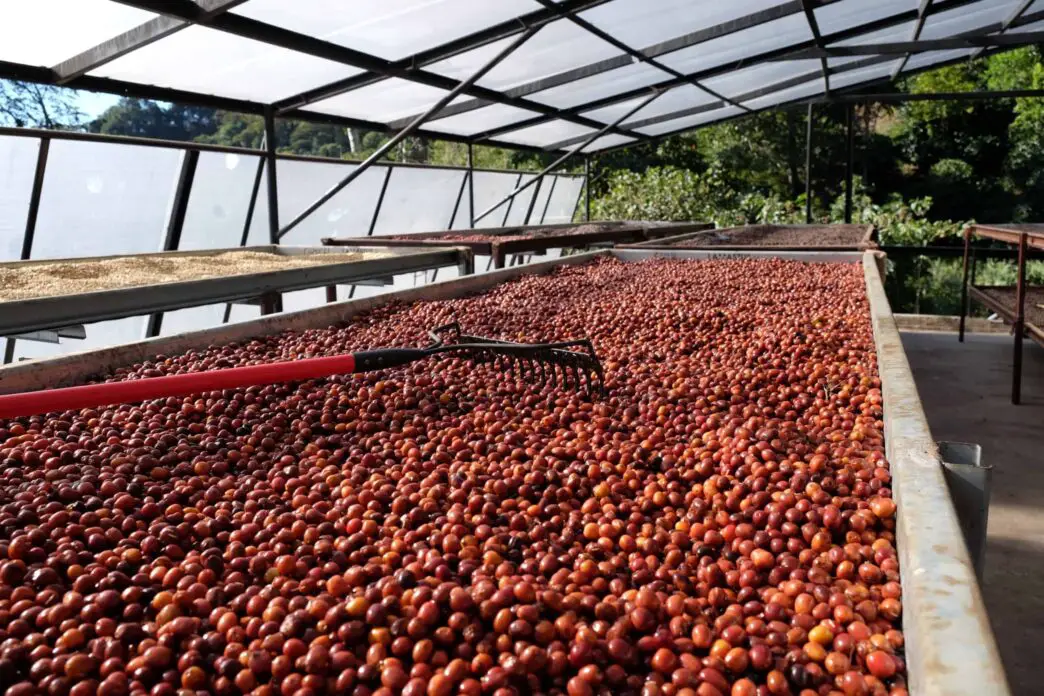
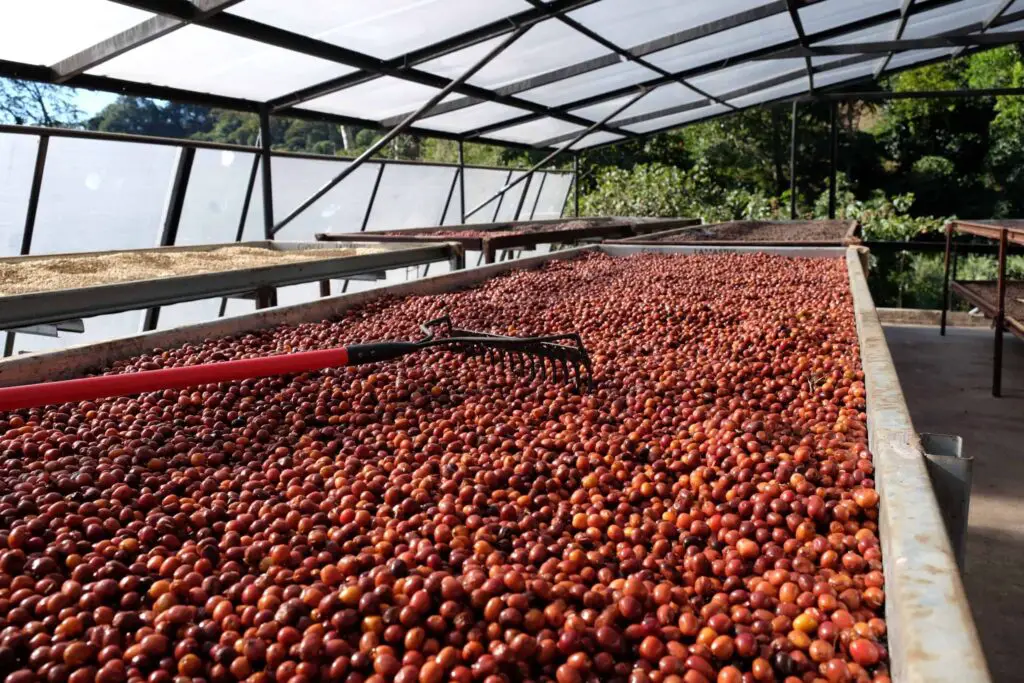
You’re standing in front of a bag of coffee and the label says “anaerobic natural,” or “carbonic maceration,” or — stranger still — “strawberry co-ferment.” None of that sounds like the coffee your grandparents drank. Welcome to experimental fermentation: the corner of specialty coffee where producers borrow tricks from winemaking and brewing to coax flavors out of a coffee cherry that terroir alone never could.
Here’s the good news. You don’t need a food-science degree to understand any of this. Let’s break down what’s actually happening, what these coffees taste like, and how to tell the genuinely interesting bags from the ones leaning a little too hard on marketing.
First, all coffee is fermented
This surprises most people. Long before “anaerobic” showed up on menus, every coffee you’ve ever had went through fermentation. After a cherry is picked, the sweet fruit and sticky layer around the seed — the mucilage — has to come off, and microbes like wild yeasts and bacteria do that job. That is fermentation. Washed, natural, and honey processing are really just different ways of managing it.
So “fermented coffee” isn’t new. What’s new is control. Experimental fermentation is about deliberately steering which microbes do the work, for how long, and under what conditions — taking a quiet background process and turning it into the main event.
What makes it “experimental”
The umbrella term you’ll see most often is anaerobic fermentation, which simply means fermenting without oxygen. Producers seal cherries in airtight tanks and let carbon dioxide push the oxygen out (or inject CO₂ directly). Starve the environment of oxygen and the microbes take different metabolic pathways, producing a wider, wilder range of aromatic compounds than open-air fermentation ever would.
From that one idea, a whole family of techniques has grown. Here are the ones you’ll actually run into.
The main methods, in plain language
Anaerobic fermentation is the workhorse. Cherries (or de-pulped beans) ferment in sealed, oxygen-free tanks, often anywhere from a single day to well over a week. Longer, cooler ferments generally mean more intense, funkier results. You’ll frequently see it paired with a traditional style as “anaerobic natural” or “anaerobic washed.”
Carbonic maceration is borrowed straight from Beaujolais winemaking. Whole, intact cherries go into a CO₂-flushed tank, and fermentation begins inside each individual cherry rather than in the surrounding mass. The payoff is unusually clean, juicy, red-fruit character. It’s harder and pricier to pull off — think of it as the show pony to anaerobic’s workhorse. This is the method that put experimental processing on the map when Saša Šestić used a carbonic-macerated coffee to win the World Barista Championship in 2015.
Co-fermentation is where things get loud. Producers add something to the tank — mango pulp, strawberries, cinnamon, wine yeast — and it feeds and steers the fermentation. The result can taste emphatically of a fruit that never grew within a thousand miles of the farm. It’s delicious to some, controversial to purists, and the source of most of the label confusion we’ll get to in a minute.
Thermal shock is a newer favorite, made famous by Colombia’s Finca El Paraíso. Fermentation is cycled between hot and near-freezing temperatures to switch microbial activity on and off at precise moments, locking in specific flavors. It’s technical, repeatable, and produces some genuinely startling cups.
You’ll also see extended fermentation, double fermentation, frozen-cherry processing, and inoculation with specific yeast strains or koji. They’re all variations on the same theme: control the microbes, control the flavor.
So what does it actually taste like?
Bold. Fruit-forward. Sometimes borderline boozy. Where a classic washed coffee aims for clean, transparent, tea-like clarity, experimental lots push toward tropical fruit, red berries, wine, and even candy. Common tasting notes include mango, raspberry, lychee, white wine, and cinnamon.
Whether that’s a good thing depends entirely on your palate. Some drinkers find these coffees thrilling; others find the ferment-forward funk overwhelming and miss the origin character underneath. There’s no wrong answer here — this is the craft-beer end of the coffee world, and not every beer drinker wants a triple IPA.
Reading the label without getting fooled
This is where a little knowledge protects your wallet.
- “Anaerobic” is descriptive, not a quality guarantee. It tells you how the coffee was made, not that it’s good. A sloppy anaerobic ferment can taste of vinegar or rotten fruit.
- Co-ferments can blur the line. If a coffee tastes overwhelmingly of strawberry, it’s fair to ask whether that’s the coffee’s own fermentation or literal strawberries added to the tank. Neither is wrong, but transparent producers tell you which.
- Be wary of dark roasts. Roasting these coffees dark usually muffles the exact aromatics you paid a premium for. Look for lighter roasts that let the processing shine.
- More words on the bag ≠ better coffee. A label crammed with “72-hour double anaerobic thermal-shock” language is describing a process, not promising a great cup.
The best sign is simple: a roaster who explains what they did and why, without hiding behind buzzwords.
How to brew and enjoy it at home
Two practical tips. First, these coffees are often more extraction-sensitive than your everyday beans — small changes in grind size or water temperature can swing the cup dramatically, so dial in gently and change one variable at a time. Second, drink them black, at least the first time. Milk tends to flatten the delicate fruit notes that make these coffees special in the first place.
And start small. A single, well-reviewed anaerobic natural is a smarter first purchase than an exotic co-ferment. It’s the easiest way to learn what your palate likes without dropping serious money on a bag you might not finish.
The bottom line
Experimental fermentation took coffee’s oldest, most overlooked step and turned it into a playground. A decade ago these lots lived only on competition stages; today you can brew one on a Tuesday morning. They’re not for everyone, and they’re not always worth the markup — but when the process is done with care and explained honestly, they can be some of the most memorable coffee you’ll ever drink. Now that you know what the labels mean, you can decide for yourself.
Former roastery owner and coffee tour operator. Steve spent five years roasting coffee for his own shop and wholesale customers. More about Steve