
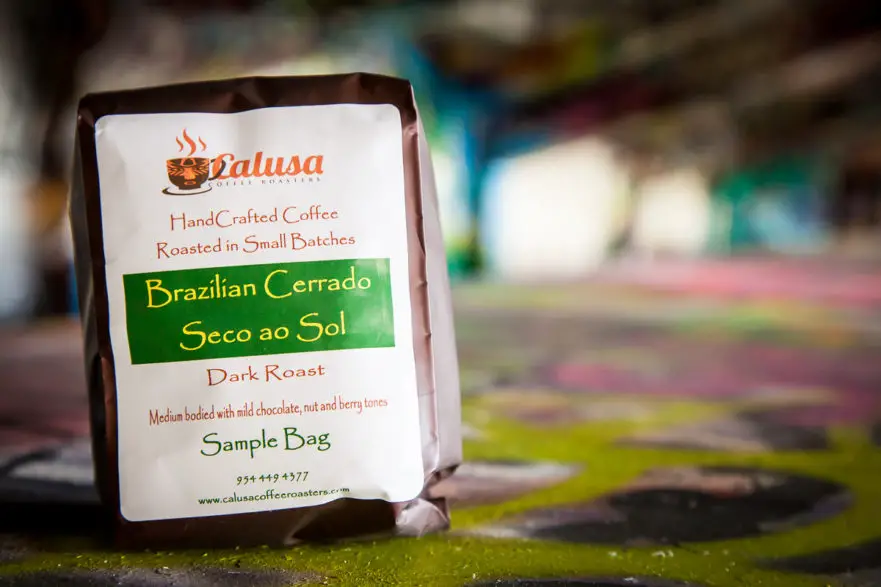
A 12-ounce bag of beans from a craft roaster often runs $18 to $25 or higher. A comparable amount of standard grocery coffee lands closer to $5 or $8. The gap comes from choices made at every step, from seed to bag. Specialty coffee follows a different path than commodity coffee, and those choices add real expenses.
What Defines Specialty Coffee
The Specialty Coffee Association sets the bar with a 100-point cupping system. Trained Q graders evaluate samples for aroma, flavor, acidity, body, balance, and aftertaste. A score of 80 or above qualifies the lot as specialty. Physical standards matter too: no more than five defects per 350-gram sample, plus uniformity in bean size and density.
This grading system rewards clean, distinctive cups with clear notes like citrus, berry, or chocolate. Commodity coffee, by contrast, prioritizes volume and consistency at lower cost. It fills most supermarket blends and instant products without the same flavor expectations or traceability.
Growing for Flavor Instead of Volume
Farms that produce specialty coffee select varieties known for complexity rather than maximum output. In Ethiopia, heirloom types dominate. In Central America, producers might grow SL28 or Catuai lines that deliver bright acidity or sweetness. These plants often yield fewer cherries per tree than high-production hybrids used for commodity lots.
Many specialty farms sit at elevations above 1,200 meters. Cooler temperatures slow cherry ripening, which builds more sugars and acids for better taste. The trade-off appears in lower harvests per acre. Steep terrain requires hand labor for everything from pruning to weeding. Shade trees and regenerative practices protect soil and biodiversity but demand extra management.
Commodity farms frequently use full-sun systems and high-yield varieties to maximize pounds per hectare. They spread fixed costs over larger volumes. Specialty operations carry those same costs over smaller outputs, so the price per pound climbs.
Selective Hand Harvesting
Workers walk the rows multiple times during the season and pick only cherries at peak ripeness. Under-ripe fruit brings sour or grassy notes. Over-ripe fruit turns fermented or bitter. This approach takes far more hours than a single strip harvest or mechanical pass.
Pay for pickers on quality-focused farms often exceeds regional averages to retain experienced teams. In many origins, this labor forms the single largest expense after land. Commodity operations accept mixed ripeness because later sorting or blending can mask issues. The result is cheaper per pound but flatter flavor.
Processing Methods That Require Attention
Once harvested, cherries move to one of several processing styles, each tuned for flavor. Washed processing removes the fruit pulp right away, then ferments the beans in tanks before thorough washing and drying. It needs clean water, temperature control, and exact timing.
Natural processing dries whole cherries on raised beds or patios. Workers turn the fruit regularly to prevent mold and ensure even drying over two to four weeks. Honey and pulped-natural styles leave part of the sticky mucilage on the bean. Anaerobic and other experimental methods seal beans in tanks for controlled fermentation.
All these happen in smaller batches so producers can monitor closely and stop problems early. Infrastructure like drying beds, tanks, and storage adds investment. One mistake in a small lot ruins the entire batch for premium sale. Commodity processing runs at larger scale with simpler steps and tolerates more variation.
Sorting, Grading, and Traceability
After drying and hulling, beans go through multiple sorts: hand tables, density machines, and screen sizes. Workers remove every defect they find. In tough harvests, this can mean discarding 10 to 20 percent or more of the volume.
The remaining beans must meet strict size and density rules for even roasting later. Full traceability records track the lot from specific farm plots through every step. Buyers expect this detail, which means extra labor and systems at the mill or cooperative.
Commodity coffee skips most of this. Defects stay in the mix or get removed in bulk at lower cost. The price reflects that lower standard.
Premiums Paid to Producers and Small Lots
Roasters and importers buy specialty lots at prices well above the commodity baseline. Higher cup scores bring bigger differentials. Microlots under 1,000 pounds from single farms or specific plots carry the steepest premiums because supply stays limited.
Many relationships follow direct trade principles. Buyers visit farms, sometimes provide advance financing, and pay set prices that cover costs plus a margin for reinvestment. This supports living wages, school programs, and farm improvements. Commodity coffee trades on futures exchanges where price reflects global supply and demand, not individual quality or effort.
Small lots raise per-unit logistics expenses. Shipping, insurance, and handling for a few bags cost more proportionally than a full container of bulk coffee.
Small-Batch Roasting and Quality Checks
Roasters develop a custom profile for each lot—time, temperature, and airflow—to bring out its best traits. They work in batches of 5 to 50 pounds instead of thousands. This gives control but lowers efficiency.
Before and after roasting, the team cups samples repeatedly, records results, and makes adjustments. Green coffee rests, then roasted beans degas in special valves bags. Roasting happens close to delivery dates so flavor peaks when it reaches customers.
Industrial roasters run continuous high-volume systems that cut labor and energy per pound. The trade-off is less ability to highlight individual origins.
Freshness and Reaching the Customer
Specialty coffee loses quality quickly after roasting. Craft operations roast in smaller runs and move product fast. Packaging uses higher-grade materials with one-way valves. Smaller shipments or faster delivery options add freight costs.
At cafes, baristas train on equipment calibration, dose, grind, and extraction to present the coffee at its peak. High-end grinders and machines represent big investments and ongoing maintenance.
Commodity vs Specialty: Side-by-Side Comparison
| Factor | Commodity Coffee | Specialty Coffee |
|---|---|---|
| Harvest method | Often mechanical or strip | Hand-selective, multiple passes |
| Yield per acre | Higher volume | Lower due to variety and selection |
| Processing | Large-scale, basic | Small-batch, precise methods |
| Defect tolerance | Higher | Near-zero for premium lots |
| Price to producer | Lower base, market-driven | Premiums 2–5× higher for top scores |
| Roasting scale | High volume, continuous | Small batch, custom profiles |
| Traceability | Limited | Full farm-to-cup records |
These differences explain the structural gap. External pressures like weather events in major origins or rising labor costs can widen it further, but the core reasons stay the same.
What You Actually Get
A bag of specialty coffee delivers clean, layered flavor that changes with brew method and stays consistent cup after cup. At home, a $22 12-ounce bag yields about 20 cups at roughly $1.10 each. That beats most cafe drinks once you factor in quality and repeatability.
You also support traceable supply chains where farmers earn more and invest back into their land and communities. Practices like shade growing and careful water use reduce environmental strain compared to high-input commodity systems.
The Reasons Specialty Coffee Costs More
Every extra dollar traces back to decisions that produce better taste and greater transparency. Lower yields, more hands-on labor, strict standards, and smaller scale all add up. Commodity coffee optimizes for low price and high availability. Specialty coffee optimizes for flavor and accountability.
If you notice the difference in your cup and care where your money goes, the price makes sense. Next time you pay more for a bag, you pay for the work and choices that put those flavors there.