
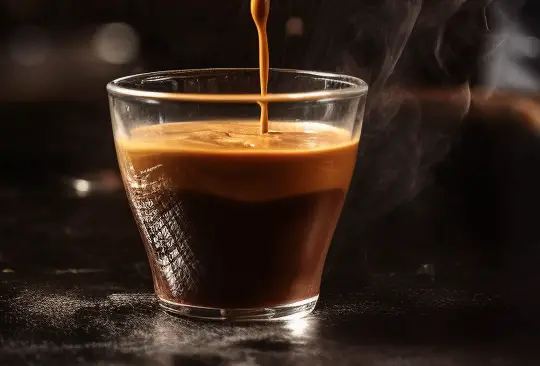
If you’re stepping up to the counter at your local coffee shop and staring at the espresso menu, you might spot terms like solo and doppio. These are just fancy ways to say single or double shot of espresso, but they matter when it comes to what ends up in your cup.
A solo gives you a quick, focused hit of coffee, while a doppio doubles down for more volume and presence. In this post, we’ll break down what sets them apart, how they taste, and help you decide which to order next time. Whether you’re new to espresso or fine-tuning your routine, knowing these basics can make your coffee shop visits sharper.
What Exactly Is a Solo Espresso?
A solo espresso is the simplest form: a single shot pulled from an espresso machine. It starts with finely ground coffee—typically 7 to 10 grams—packed into a portafilter basket. Hot water gets forced through at high pressure, around 9 bars, for about 25 to 30 seconds. The result? Roughly 1 ounce, or 30 milliliters, of concentrated coffee topped with a layer of crema, that golden foam that forms from the oils and gases released during brewing.
This shot size traces back to the early days of espresso machines in Italy, where it was designed as a fast, standalone drink. Today, in many specialty coffee spots, baristas might pull a solo if you ask for it, but it’s less common as a default. It’s all about capturing the essence of the beans in a small package, without any extras like milk or sugar unless you add them.
What Makes a Doppio Espresso Different?
Doppio means “double” in Italian, and that’s exactly what it is—a double shot of espresso. Here, you use about 14 to 18 grams of ground coffee, sometimes up to 20 grams in modern setups, in a larger basket. The extraction process is similar: high-pressure water for 25 to 30 seconds, but it yields around 2 ounces, or 60 milliliters, of espresso.
In most coffee shops outside Italy, doppio is the go-to standard. Baristas often pull these because they’re easier to handle in a busy environment and provide a solid base for drinks like lattes or Americanos. If you order just “an espresso,” chances are you’ll get a doppio. It’s got that same rich crema on top, but with more liquid to sip through.
Key Differences Between Solo and Doppio
At first glance, a doppio might seem like two solos poured together, but it’s not quite that simple. The two are brewed differently, which affects everything from body to intensity. Here’s a quick comparison:
| Aspect | Solo Espresso | Doppio Espresso |
|---|---|---|
| Coffee Grounds | 7-10 grams | 14-18 grams (up to 20g) |
| Yield Volume | 1 oz (30 ml) | 2 oz (60 ml) |
| Extraction Time | 25-30 seconds | 25-30 seconds |
| Typical Use | Standalone or light mixes | Base for most drinks |
| Intensity | High concentration in small sip | Balanced over larger volume |
The main split comes down to scale. A solo uses a smaller basket, which can make the puck—the compressed coffee—thinner and trickier to extract evenly. Doppio baskets are deeper, allowing for more consistent flow. In terms of brew ratio, which is the weight of grounds to the weight of the final espresso, both aim for something like 1:2—meaning twice as much liquid out as dry coffee in. For a solo, that’s about 7 grams in for 14 grams out (roughly 30 ml including crema). A doppio scales it up to 14 grams in for 28 grams out (about 60 ml).
Preparation-wise, some shops pull a doppio and split it if you want a solo, pouring half into your cup and discarding or repurposing the rest. This keeps things efficient but might slightly alter the flavor compared to a true single pull.
How Do They Compare in Flavor?
Flavor is where things get personal, but the differences aren’t huge if you’re using the same beans and machine. Both shots pull out the same compounds—acids for brightness, sugars for sweetness, and bitters for depth—but the volume changes how you experience them.
A solo tends to feel more intense because it’s condensed. You get a punch of the bean’s notes right away, like floral hints in a light roast or chocolate in a medium one. It’s smoother in some ways, with less chance for over-extraction if pulled right, highlighting subtle acids and aromas.
With a doppio, the extra liquid dilutes that intensity a bit, making it rounder and easier to drink straight. It can bring out more body, that mouthfeel from dissolved solids, measured as total dissolved solids or TDS—basically, how much coffee stuff ends up in the water. Higher TDS often means a thicker texture in doppios. If the beans are fresh and well-roasted, a doppio might taste bolder overall, but not twice as strong.
In blind tastes, many people can’t spot major gaps, especially in milk-based drinks. The real variance comes from the barista’s technique or the coffee’s origin. For example, a high-elevation Ethiopian might shine in a solo with its berry-like acidity, while a Brazilian blend could hold up better in a doppio’s larger pour.
Caffeine Levels: Solo vs. Doppio
Caffeine is a big factor for a lot of folks choosing between these. A solo espresso packs around 30 to 60 milligrams, depending on the beans and exact pull. Since caffeine extracts early in the process, the small volume doesn’t shortchange you much.
A doppio, being double the coffee, roughly doubles that to 60 to 120 milligrams. It’s not exact because modern doppios sometimes use more grounds, pulling a tad more caffeine. If you’re sensitive to it, a solo keeps things lighter—perfect for an afternoon pick-me-up without the jitters. For a morning boost, doppio delivers more without needing a second cup.
Keep in mind, these numbers are averages. Dark roasts might have slightly less caffeine per gram than lights, but the difference is small. Always factor in your tolerance; espresso’s quick absorption hits faster than drip coffee.
When Should You Order a Solo Espresso?
Go for a solo when you want something straightforward and potent without overwhelming your system. It’s ideal if:
- You’re tasting new beans and want to focus on their pure profile.
- You prefer lower caffeine, maybe later in the day.
- You’re building a lighter drink, like a macchiato, where the espresso stands out.
- Time is short, and you need a fast sip.
In Italy, solos are common as a quick stand-at-the-bar ritual. Here, ask for a “single shot” to avoid confusion, and specify if you want it straight or with a twist like hot water for an Americano.
Solos can be finicky to pull well at home or in shops, so they’re great for experimenting with grind size or tamp pressure—the force you apply to pack the grounds. If you’re dialing in a machine, start here to isolate variables.
When to Choose a Doppio Espresso Instead
Doppio is the workhorse for good reason. Order it when:
- You need a solid base for milk drinks like cappuccinos or flat whites—the extra volume balances the dairy.
- You’re after more coffee without multiple orders.
- Higher caffeine fits your routine, like starting the day strong.
- The shop’s setup favors doubles for consistency.
Most American and third-wave shops default to doppio because it’s forgiving. The larger basket reduces channeling, where water finds weak spots in the puck and rushes through unevenly, leading to sour or bitter shots. If you’re unsure, doppio is a safe bet; it scales well for sharing or sipping slowly.
At home, doppios are easier for beginners. Use a scale to measure inputs and outputs for repeatability—aim for that 1:2 ratio to keep flavors balanced.
Tips for Ordering Espresso at the Coffee Shop
Navigating the menu doesn’t have to be complicated. First, know the lingo: solo for single, doppio for double. If the barista looks puzzled, just say “single shot” or “double shot.”
Ask about their house blend or single-origin options—origins like Colombia for nutty notes or Kenya for fruity ones can sway your choice. Watch the pull if you can; a steady stream building crema is a good sign.
If you’re sensitive to strength, request adjustments like a shorter pull for more concentration or longer for milder. Pairing matters too—a solo with a pastry highlights both, while a doppio holds its own in iced setups.
Finally, experiment. Try both on different days with the same beans to see what clicks. Coffee shops thrive on regulars who know their preferences, so build that rapport.
In the end, solo and doppio are tools in your coffee kit. Solo offers a sharp, efficient experience, while doppio provides depth and versatility. Next time at the shop, think about your mood, the time, and what you’re pairing it with. Either way, a well-pulled espresso beats a mediocre one every time. Pick what suits you, and enjoy the ritual.