
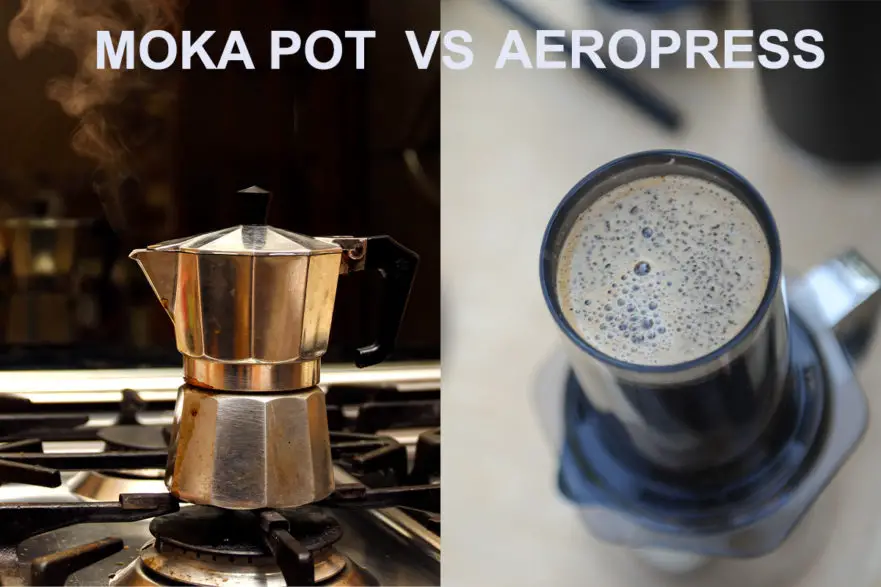
People often ask about the best way to make coffee at home without a big machine. Two options stand out: the Moka pot and the AeroPress. Both give you a strong cup, but they work differently and suit different needs. I’ll break down each one, how they compare, and help you decide based on what you like in your coffee.
A Bit of Background on Each
The Moka pot came from Italy in 1933, designed by Alfonso Bialetti. It quickly became a staple in homes there because it makes coffee close to espresso without needing a fancy setup. You see it on stovetops everywhere, and it’s still popular for its simple design.
The AeroPress showed up much later, in 2005, invented by Alan Adler, an engineer who wanted better coffee on the go. It’s a plastic device that looks like a big syringe and uses manual pressure to brew. Both let you make coffee without electricity if you heat water separately, but they shine in different situations.
How the Moka Pot Works
A Moka pot has three main parts: a base for water, a funnel for grounds, and a top for the finished coffee. You fill the base with water up to the valve, add medium-fine ground coffee to the funnel without packing it down, screw it together, and put it on low heat.
As the water heats, steam builds pressure—about 1-2 bars—and pushes the water up through the grounds into the top. It takes 5 to 10 minutes, and you pull it off the stove when it starts gurgling to avoid bitterness.
You get a bold, full-bodied coffee with some oils and sediment since it uses a metal filter. It tastes like espresso, great for straight shots or mixing with milk.
What I Like About It
It’s straightforward once you get the hang of it. No special tools needed beyond a stove, and it works on gas, electric, or even campfires. Models come in sizes from 1 to 12 cups, so you can brew for one or a group.
Cost-wise, you can grab a basic one for under $20, and it lasts years if you rinse it after use—don’t use soap, as it can leave a residue. On the downside, it can over-extract if the heat is too high, leading to bitter notes. Cleaning involves unscrewing hot parts, so you wait a bit.
Tips for Brewing with a Moka Pot
Use fresh, medium-fine grounds—coarser than espresso but finer than drip. Start with hot water to cut brew time and reduce bitterness. Aim for a 1:10 coffee-to-water ratio, like 20g coffee for 200ml water.
Watch the flame; low heat gives even extraction. If you want less sediment, add an AeroPress paper filter in the funnel.
How the AeroPress Works
The AeroPress is simpler: a chamber, plunger, and filter cap. You add a paper or metal filter, grounds, hot water, stir, then press down to force the brew through into your cup.
It steeps for 1 to 3 minutes, using manual pressure—around 2 bars—to extract. The paper filter removes oils and fines, so you get a clean, smooth cup.
You can brew upright or inverted (flipping it to steep longer). It’s fast and lets you tweak variables like temperature (80-95°C works best) and grind (fine to medium).
What I Like About It
Portability is key—it’s lightweight (under a pound) and fits in a bag, perfect for travel or camping. Cleaning takes seconds: pop out the puck and rinse. Versatility stands out. Brew hot or cold, espresso-style for lattes, or dilute for Americano. Experiment with methods; the inverted way gives fuller flavor by steeping longer.
It costs about $30-40, including filters, and makes one cup at a time—ideal for solo drinkers. Drawbacks? It only brews singles, so groups mean multiple rounds. You need separate hot water, and paper filters add ongoing cost, though reusable metal ones exist.
Tips for Brewing with an AeroPress
Go for 15-18g fine grounds with 200ml water at 85°C. Stir 10 seconds, steep 1 minute, press slowly (20-30 seconds). For bolder coffee, use the inverted method: assemble upside down, add coffee and water, steep, flip, and press. This mimics immersion brewing.
Key Differences Side by Side
Here’s a quick table to compare them:
| Aspect | Moka Pot | AeroPress |
|---|---|---|
| Brew Time | 5-10 minutes | 1-3 minutes |
| Pressure | Steam (1-2 bars) | Manual (2 bars) |
| Grind Size | Medium-fine | Fine to medium |
| Capacity | 1-12 cups depending on size | 1 cup |
| Taste Profile | Bold, espresso-like, with body | Clean, smooth, customizable |
| Portability | Good, but heavier metal | Excellent, lightweight plastic |
| Cleaning | Rinse parts, air dry | Quick rinse, dishwasher safe |
| Cost | $15-50 | $30-40 |
| Versatility | Mostly one style | Multiple methods, hot/cold |
The Moka pot gives that classic, intense Italian-style coffee, but it can turn bitter if not watched. The AeroPress offers clarity and lets you dial in flavors, closer to pour-over but stronger. In taste tests, Moka pot coffee often has more oils for a richer mouthfeel, while AeroPress filters them out for brightness. If you like dark roasts bold, go Moka; for medium roasts with nuance, AeroPress.
Brewing differs too: Moka needs a stove and monitoring, AeroPress just hot water and elbow grease. No heat source? AeroPress wins with pre-boiled water.
Which One Should You Pick?
It comes down to your routine. If you want quick, clean coffee and travel a lot, grab an AeroPress. It adapts to your mood and gives consistent results. For a traditional, hands-off brew that serves more people and feels timeless, the Moka pot fits. It’s durable and cheap, great for daily use at home.
I suggest trying both if you can—they’re affordable. Start with fresh beans, good water, and experiment. You’ll find one clicks with your taste. If you’re camping, AeroPress edges out for weight. At home with a stove? Moka pot’s simplicity shines. Both beat instant coffee any day. Pick based on if you prefer bold tradition or flexible modernity.