
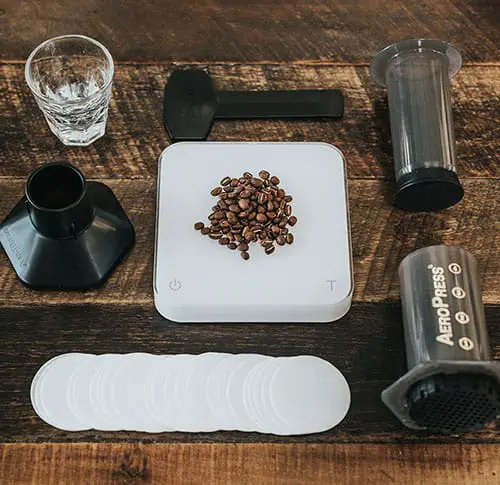
If you want more consistent coffee, a scale is the fastest upgrade you can make. It removes the guessing game from dose and water, so you can repeat good brews and fix bad ones on purpose. Below is what matters when choosing a coffee scale, plus five picks that cover most home setups: pour-over, drip, espresso, and travel.
Top 5 Coffee Scales
There isn’t one best scale for everyone. Espresso needs speed and a compact footprint. Pour-over benefits from a stable platform and a timer that doesn’t get in the way. Travel setups need something tough and small. These five picks cover the common use cases without forcing you into a single one-size-fits-all recommendation.
1) Timemore Black Mirror Basic 2.0
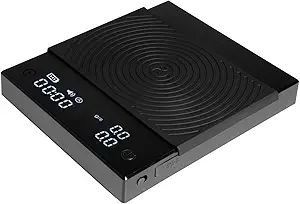
Best overall for most home brewers: If you want one scale that covers most home coffee without getting precious about it, this is the kind of pick that makes sense. It’s quick to read changes while you pour, stable enough that you’re not chasing the display, and it has the basic coffee features you’ll actually use like a timer and easy tare. It’s the “daily driver” scale for pour-over, drip, and plenty of espresso setups.
Why it makes the list: It hits the sweet spot: coffee-friendly design, fast response, and the right measurement range for daily brewing.
Best for
- Pour-over (V60, Chemex, Kalita)
- Drip machines
- Most espresso workflows (if you don’t need ultra-compact)
What I like
- Practical 0.1 g precision for typical brew ranges
- Built-in timer and coffee-centric features without overcomplicating it
- Good balance of footprint and usability
Potential downsides
- Not as compact as true espresso-only scales
- Some features depend on version, so confirm specs before buying
Check current pricing on Amazon.
2) Hario Polaris (CST-2000)
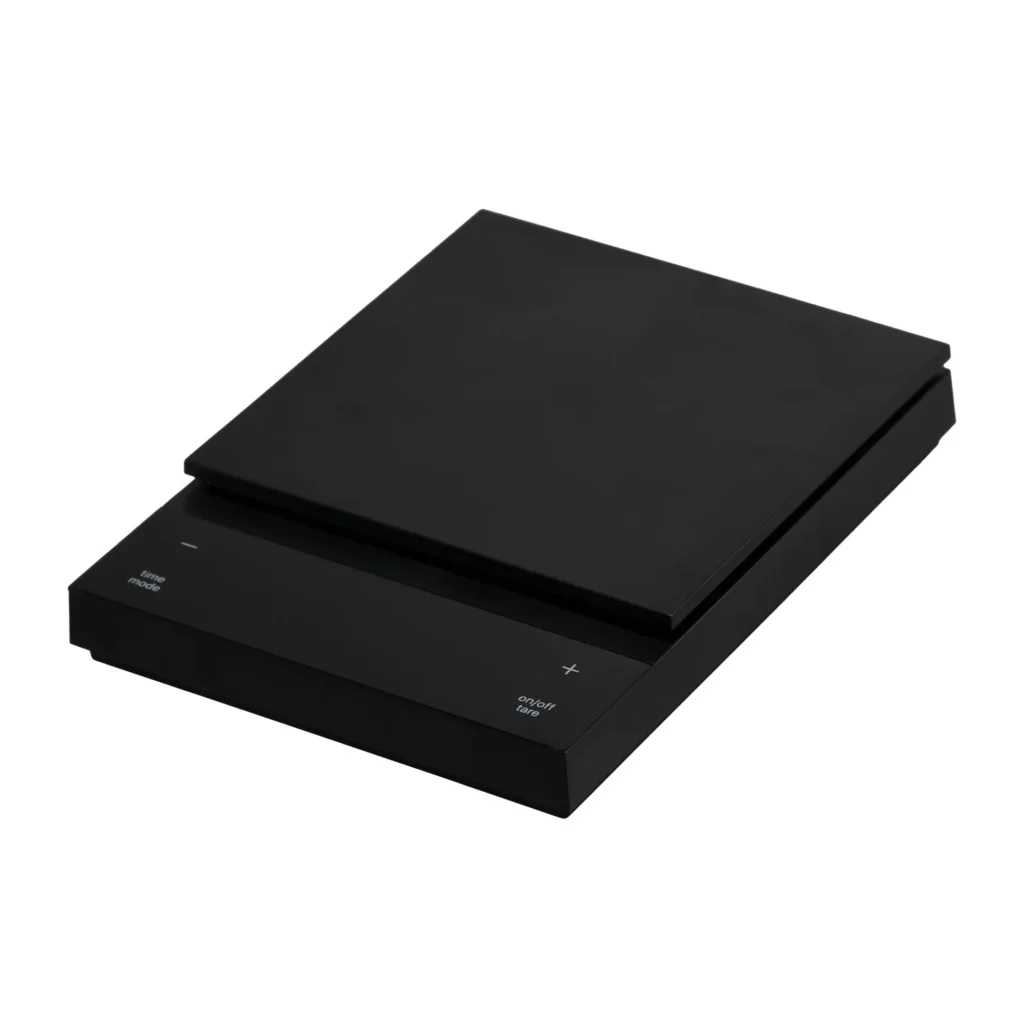
Best for guided pour-over and people who like structure: The Polaris is for people who like brewing with a bit of structure. Instead of acting like a generic kitchen scale, it’s built around the pour-over workflow: ratio awareness, timing, and a process that nudges you toward consistency. If you’re learning pour-over or you want repeatable results without doing mental math every morning, this one fits that mindset.
Why it makes the list: The Polaris is built around pour-over workflow. If you like brewing by ratio and keeping pours consistent, the Polaris is designed to support that rather than just “show numbers.”
Best for
- Pour-over brewing where you’re tracking water additions
- Anyone who wants the scale to coach the process a bit
What I like
- Auto-timer style workflow that suits pour-over
- Good capacity for common drippers and servers
- The interface is built around coffee, not general kitchen tasks
Potential downsides
- Depending on weight range, the scale interval can become coarser at higher weights (common, but worth understanding)
- Not an espresso-first design
Check current price on Amazon.
3) Acaia Lunar
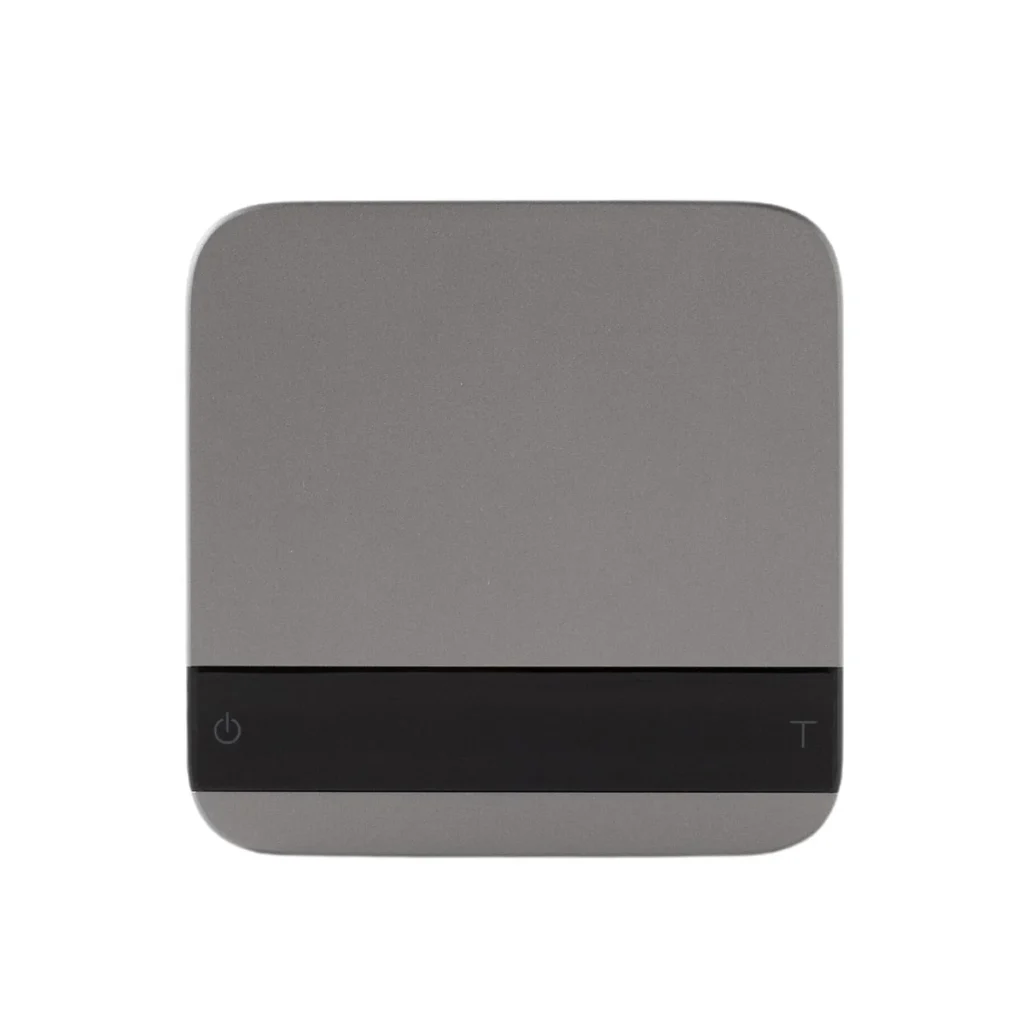
Best premium espresso scale: The Polaris is for people who like brewing with a bit of structure. Instead of acting like a generic kitchen scale, it’s built around the pour-over workflow: ratio awareness, timing, and a process that nudges you toward consistency. If you’re learning pour-over or you want repeatable results without doing mental math every morning, this one fits that mindset.
Why it makes the list: If you want a buy-once espresso scale, this is the standard for many home baristas. It’s compact, responsive, and built around espresso workflow.
Best for
- Espresso-focused setups
- People who care about fast, stable readings shot-to-shot
What I like
- Compact footprint that fits on most drip trays
- Reliable responsiveness for timing and yield control
- Strong build and a polished user experience
Potential downsides
- Price. You’re paying for refinement, not just the ability to weigh things.
- Many features are optional for most people (nice to have, not necessary)
Check current pricing on Amazon.
4) MHW-3BOMBER Cube Coffee Scale 2.0
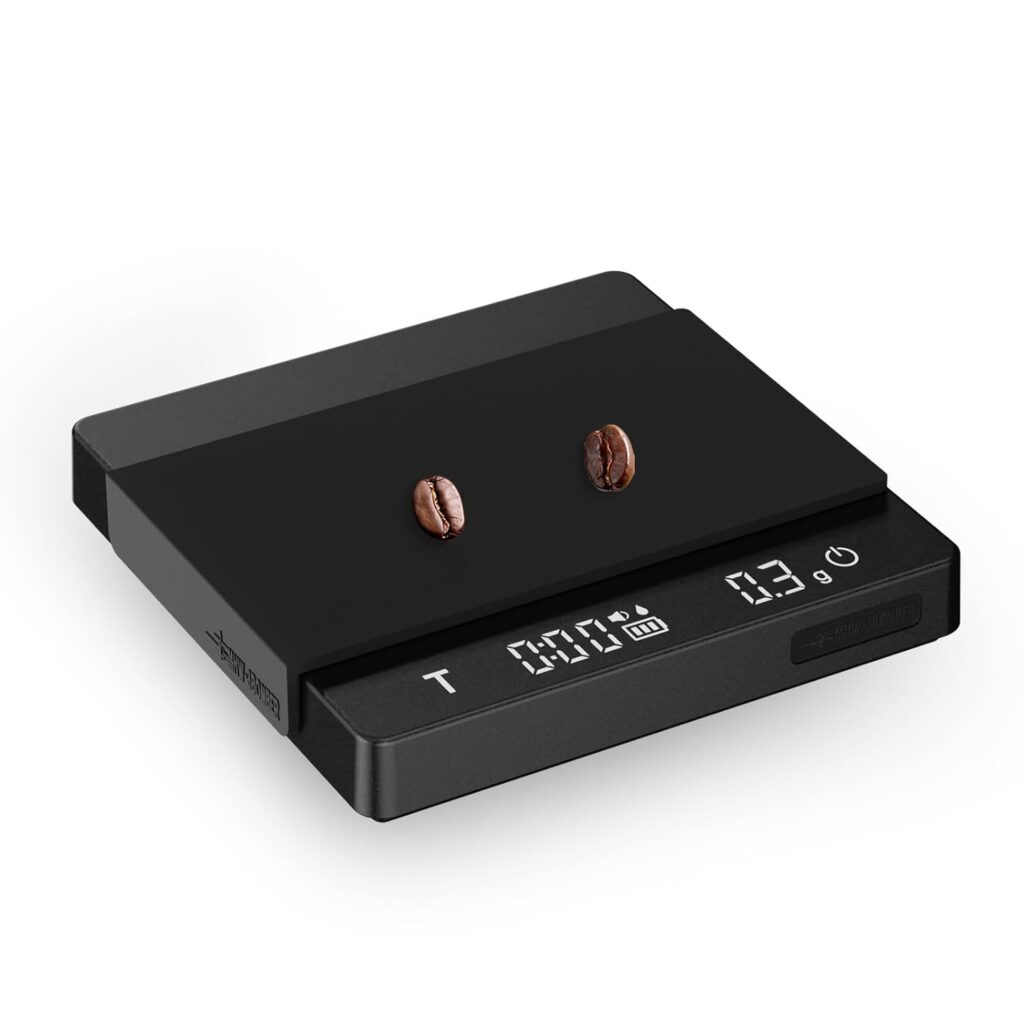
Best budget-friendly espresso-capable scale: This is the “budget, but not flimsy” category when you want espresso-friendly resolution without the premium price. It’s aimed at coffee use rather than general cooking, with a timer and the kind of readability that makes dialing in shots realistic. If you’re building a capable home espresso setup and want to spend money where it matters more, this scale is a sensible place to save.
Why it makes the list: This is the type of scale that makes sense when you want modern features and espresso-friendly resolution without paying premium-scale prices.
Best for
- Espresso at home on a tighter budget
- People who want a compact coffee scale with a timer
What I like
- 0.1 g readability that supports espresso workflows
- Compact enough for many espresso setups
- Good feature set for the price category
Potential downsides
- Long-term durability varies more in this tier
- Quality control can be inconsistent across batches with budget gear, so buy from a retailer with easy returns
Check current pricing on Amazon.
5) Wacaco Exagram Pro
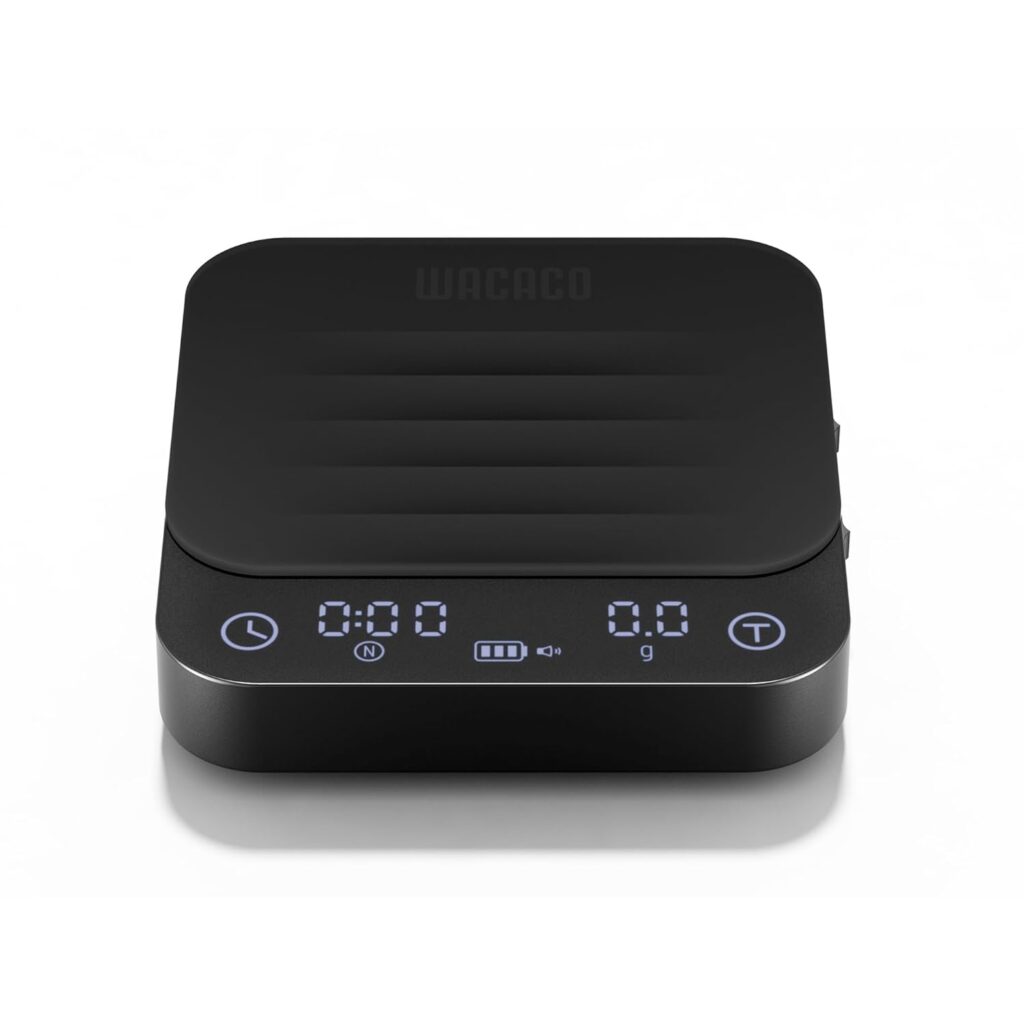
Best travel scale: If you travel with coffee gear, you already know the pain of packing a full-size scale or, worse, eyeballing everything. The Exagram Pro is built for that reality: compact, rechargeable, and simple to use in small spaces. It’s also a solid choice for minimalist kitchens where you want a scale that disappears into a drawer but still lets you brew with repeatable ratios.
Why it makes the list: If you travel with an AeroPress or a small pour-over kit, you want a scale that’s compact, rechargeable, and not fussy. This one is built for exactly that.
Best for
- Travel coffee kits
- Small kitchens where you want a scale you can stash easily
What I like
- Compact size and travel-friendly design
- USB rechargeable convenience
- Useful for weighing dose and water without hauling a full-size scale
Potential downsides
- Like many compact scales, resolution can change at higher weights
- Small platform isn’t ideal for big servers or heavy brewers
Check current price on Amazon.

What to Look For in a Coffee Scale
A coffee scale isn’t just about accuracy. It’s about how easily you can repeat a recipe, how quickly the numbers settle while you pour, and whether it fits your actual setup. The points below are the handful of features that make a scale feel effortless instead of annoying, and they matter more than most spec sheets.
1) Easy tare (zeroing)
You should be able to place your brewer or cup on the scale, hit tare, and start from zero. You’ll do this constantly.
2) Resolution that matches what you brew
- Espresso: you want 0.1 g readability (or better) so you can hit target yield reliably.
- Pour-over/drip: 0.1 g is still nice, but you can live without ultra-fine resolution if the scale is stable and responsive.
3) Speed and stability
A scale that jumps around or lags while you pour makes you chase numbers. Responsiveness matters as much as “accuracy” on the box.
4) Size and footprint
- Chemex / larger brewers: you need a platform that comfortably fits the base.
- Espresso trays: you need a compact footprint that fits under a portafilter and cup.
5) Timer (and auto-timer, if you like it)
A built-in timer keeps recipes simple. Some scales can start the timer automatically when they sense weight change, which is genuinely useful for pour-over.
6) Units (grams vs ounces) and one important clarification
Most coffee recipes are written in grams because it’s clean and repeatable. Two conversions that people mix up:
- 1 ounce (weight) = 28.35 g
- 1 US fluid ounce (volume) ≈ 29.57 mL, and for water that’s roughly 29.57 g
When someone says “an 8-ounce cup of water” in coffee, they usually mean 8 fl oz, not 8 oz by weight.

Which One Should You Get?
If you know how you brew most days, the decision gets simple. This section matches each scale to the kind of coffee routine it supports best, so you can pick quickly and move on to the part that actually matters: brewing.
- If you want one scale that covers 90% of home coffee: Timemore Black Mirror Basic 2.0
- If you mostly do pour-over and want guidance built in: Hario Polaris
- If you’re espresso-first and want the premium option: Acaia Lunar
- If you want espresso capability without premium pricing: MHW-3BOMBER Cube 2.0
- If you travel with your setup: Wacaco Exagram Pro
Final Thoughts
A scale won’t magically fix bad coffee, but it will make your good cups repeatable and your bad ones diagnosable. Once you’re weighing dose and water every time, dialing in becomes a straightforward process instead of guesswork.