
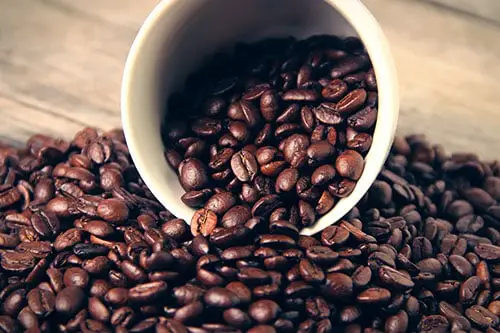
You can buy excellent coffee and still brew a flat, cardboard-tasting cup if the beans sit in the wrong place for a few weeks. Roasted coffee is a fresh food. It starts losing aroma the day it leaves the roaster, and how you store it decides whether that takes weeks or days. The good news is that the right setup is simple and cheap.
The Best Way to Store Coffee Beans
The short answer
Store whole coffee beans in an airtight, opaque container at room temperature, away from heat, light and moisture, and grind them just before brewing. Buy only what you will use in two to three weeks. Freeze beans only for longer storage, in sealed portions, and never keep coffee in the fridge.
- Air: oxygen is the main cause of stale coffee. Use a sealed container and press out extra air.
- Light: sunlight speeds up flavor loss. Choose an opaque container or keep it in a cupboard.
- Heat: keep beans away from the stove, oven, dishwasher and sunny windowsills.
- Moisture: humidity and condensation ruin beans, which is why the fridge is a bad idea.
How Long Coffee Beans Stay Fresh
Freshness is measured from the roast date, not the “best by” date, so look for a bag that prints it. Freshly roasted beans release carbon dioxide for the first few days, which can make brewing uneven, so most coffee actually tastes best after a short rest. After that there is a window of a few weeks before the aroma fades. Ground coffee moves through the same curve in minutes rather than weeks.
Whole beans, from roast date
Ground coffee, from grinding
Whole beans stay good for about a month after roasting and are still drinkable for a few weeks more. Ground coffee loses much of its aroma within the first hour.
An old coffee-shop rule of thumb sums it up neatly: green coffee lasts about 15 months, roasted beans about 15 days, and ground coffee about 15 minutes. It is a simplification, but a useful one, and we explain where it comes from in the rule of fifteens. This is also the strongest argument for buying whole beans instead of ground, and for buying smaller bags, which is part of why coffee is sold in 12 oz bags.
Where to Keep Coffee Beans
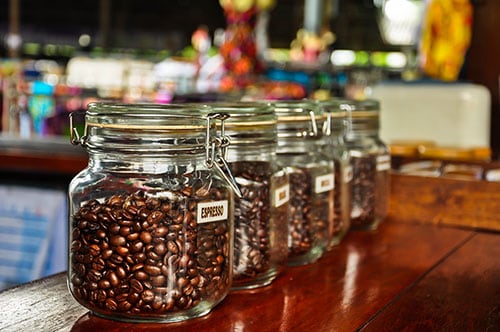
- Where
- A cool cupboard or pantry
- Why
- Blocks light, limits air, and is easy to use daily. Vacuum-seal or one-way-valve canisters remove even more air.
- Where
- Same cupboard, rolled tight and clipped
- Why
- Good roaster bags are opaque, have a one-way valve, and reseal. Squeeze the air out every time.
- Where
- Sealed, single-portion packs
- Why
- Slows staling for weeks or months, as long as the beans are frozen once and kept dry.
- Where
- Refrigerator, or a glass jar on the counter
- Why
- The fridge adds moisture and odors. A clear jar lets light in, however nice it looks.
For most people, a canister in the cupboard is all they need. If you want to go a step further, vacuum canisters that you pump or press down to remove air slow oxidation noticeably, and they pay off if you buy premium beans.
Should You Freeze Coffee Beans?
Freezing works, but only for beans you will not open for a while. The risk is not the cold itself; it is moisture. Every time a cold bag is opened in a warm kitchen, water condenses on the beans. Do it once, correctly, and frozen beans can taste close to fresh a month or more later. Our full guide to storing coffee in the freezer goes deeper, including ground coffee.
How to freeze coffee beans
Best for a large bag or several bags you will not finish in three weeks. Freeze beans as soon as possible after the resting period, not once they are already fading.
- Divide the beans into portions of about a week’s worth each.
- Pack each portion in an airtight freezer bag or vacuum-sealed pouch and press out as much air as possible.
- Freeze them flat, away from strong-smelling foods.
- When you need a portion, take it out and let it reach room temperature before opening the bag, so no condensation forms on the beans.
- Move the thawed beans to your canister and never put them back in the freezer.
Common Storage Mistakes
Beans absorb odors and moisture, and taking them in and out causes condensation every day.
Heat from cooking and appliances speeds up staling. A cupboard on the far side of the kitchen is better.
Ground coffee goes stale in hours, not weeks. Grind only what you need for each brew.
A big bag is cheaper per ounce, but not if the last third tastes like cardboard. Buy what you will use in two or three weeks.
Mixing batches in the same canister means some beans are always stale. Empty and wipe the container between bags.
How to Tell If Coffee Beans Are Stale
Stale beans are rarely unsafe, but they taste flat. The signs are easy to spot: a weak or dusty smell when you open the bag, little or no bloom when hot water first hits the grounds, a thin, papery or cardboard flavor, and, for espresso, pale and fast-fading crema. Very oily dark roasts can also turn rancid, which smells sharp and unpleasant. We cover shelf life in more detail in do coffee beans go bad.
Beans that are a little past their best do not need to be thrown out. They are ideal for cold brew, where the long, gentle steep hides much of the lost aroma, or for baking and coffee drinks with milk. Dark roasts fade a little faster than light ones, so plan on finishing those sooner; our guide to roast levels explains why.
Keep it simple: buy fresh beans in small bags, keep them sealed and dark in a cupboard, grind right before you brew, and freeze only what you will not reach for a while. That is most of the difference between a good bag of coffee and a great cup.

Former roastery owner and coffee tour operator. Steve spent five years roasting coffee for his own shop and wholesale customers. More about Steve