

Most coffee holidays come with a giant seasonal drink attached. National Espresso Day asks for something smaller: a short, thick shot of coffee, pulled under pressure and drunk while it still has its foam. If you own a machine, it’s the perfect excuse to dial in a better shot. If you don’t, there are still ways to get close, and plenty of espresso drinks worth making.
When Is National Espresso Day?
National Espresso Day: November 23
National Espresso Day is celebrated in the United States on November 23 every year, and in 2026 it falls on a Monday. It isn’t an official holiday and nobody has traced who started it. Cafés run specials, and home brewers use it as a reason to pull a better shot.
- Buy fresh beans, roasted within the last few weeks.
- Pull a straight shot and taste it before adding milk or sugar.
- Make one espresso drink you’ve never tried.
- Drink a shot the Italian way: standing up, in a few quick sips.
The date doesn’t mark any espresso anniversary. It’s one of the many food holidays that grew up on calendars and social media, so treat it as a prompt rather than a tradition. The drink it celebrates has a much better-documented story.
Where Espresso Came From
Espresso is an Italian invention, and it took about 60 years to become the drink you know. In 1884, Angelo Moriondo of Turin patented a steam-powered machine for brewing coffee in bulk for his café. In 1901, Luigi Bezzera in Milan patented a machine that brewed single servings quickly, straight into the cup. Desiderio Pavoni bought that patent in 1903 and began building machines for cafés a couple of years later.
Those early machines ran on steam pressure, which is low and hot. The coffee was strong but often harsh, and it had no crema. The real turning point came in the late 1940s, when Achille Gaggia’s spring-lever machines pushed water through the coffee at far higher pressure. That’s when the golden foam appeared on top, and espresso started to taste like espresso. Pump machines followed, and the method spread across the world.
A well-made shot settles into three layers in the cup. Watch it for a few seconds before you stir:
Tan foam made of carbon dioxide and coffee oils. Thick and speckled on a fresh shot; it thins out within a minute or two.
The caramel-brown middle. Carries most of the sweetness and the heavy, syrupy texture.
The darkest layer at the bottom. Deep, bitter base notes that anchor the flavor.
Pale, thin crema that vanishes fast usually means stale beans or a shot that ran too quickly. Our guide to espresso crema covers what the color tells you.
What Makes a Shot an Espresso
Espresso isn’t a bean, a blend or a roast level. It’s a brewing method: hot water forced through a tightly packed puck of finely ground coffee at around 9 bar of pressure, fast enough that you get a small, concentrated, syrupy drink in under half a minute. Any bean can be pulled as espresso. If you want the full background, start with what espresso is and how it’s made.
Where people disagree is size. The traditional Italian single and the specialty-café double are both “espresso,” but they’re built differently:
- Coffee in
- About 7 g
- Drink out
- About 25 ml, crema included
- Time
- Around 25 seconds
- Taste
- Short, bold, usually from a darker blend
- Where you’ll find it
- An Italian bar, served in a thick little cup
- Coffee in
- About 18 g
- Drink out
- About 36 g, measured by weight
- Time
- 25 to 30 seconds
- Taste
- Fuller and sweeter, with more room for fruit and acidity
- Where you’ll find it
- Most modern cafés and home setups
That 1:2 ratio of coffee to liquid is the default starting point. Stop earlier and you get a ristretto; let it run longer and you get a lungo. See ristretto vs espresso vs lungo for how each one tastes.
Espresso is only one ratio. Our coffee to water ratio chart covers every other brew method, and the printable guide puts all of them on one sheet for your counter.
How to Pull a Good Shot at Home
The home double shot
18 g in, about 36 g out, 25 to 30 seconds.
- Weigh 18 g of fresh beans and grind them right before brewing, finer than table salt.
- Dose into a warm, dry portafilter, break up any clumps and level the bed.
- Tamp level and firm. An even puck matters more than how hard you press.
- Set the cup on a scale and start the shot and a timer together.
- Stop at about 36 g of liquid, ideally between 25 and 30 seconds.
- Taste it. Sour and thin: grind finer. Bitter and dry: grind coarser.
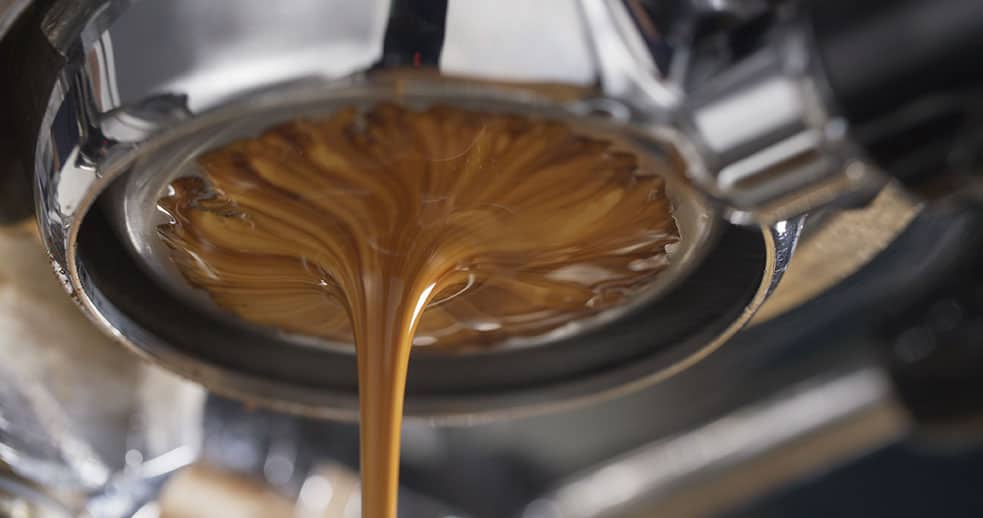
Change only the grind between shots. Dose, yield and time are linked, and if you move all three at once you’ll never know what fixed it. When a shot keeps running too fast, too slow or tasting off, our espresso troubleshooting guide walks through each cause.
No machine? A moka pot or an AeroPress won’t make true espresso, because neither gets close to 9 bar, but both make a strong, concentrated coffee that works in milk drinks. Here are three ways to make espresso-style coffee without a machine. If the day has you shopping, start with our picks for the best home espresso machines.
5 Espresso Drinks to Make on November 23
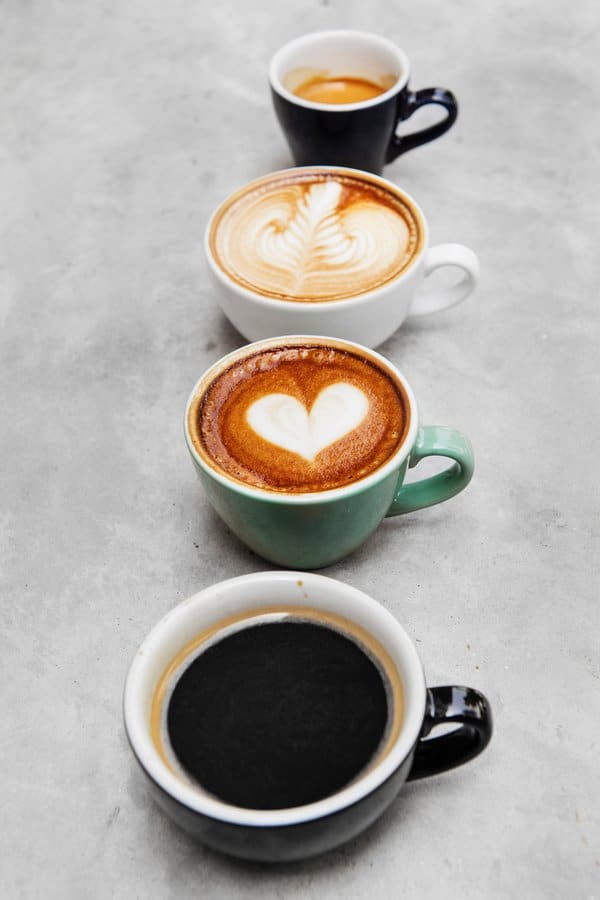
- A straight shot, Italian style. Sip a little water first to clear your palate, stir the crema in, and finish it in a few sips while it’s hot. More on how to drink espresso properly.
- Macchiato. A shot “marked” with a spoonful of milk foam. It softens the edges without hiding the coffee. Here’s how to make a macchiato.
- Cortado. Roughly equal parts espresso and warm, lightly textured milk. The best drink for tasting your shot and milk together. See the cortado ratio and recipe.
- Magic. Melbourne’s double ristretto topped with steamed milk in a small cup: stronger than a flat white, smoother than a cortado. Learn what magic coffee is.
- Espresso tonic. A shot poured over tonic water and ice. It sounds odd and tastes bright, bitter and refreshing. Get the espresso tonic recipe.
Common Home Espresso Mistakes
Once beans lose their gas, shots run fast and flat with little crema. Beans a few days to a few weeks past their roast date pull best.
Crema makes volume unreliable. A cheap scale under the cup tells you far more than the lines on a shot glass.
Adjust the grind in small steps and keep the dose fixed. One change per shot is how you learn your machine.
A cold portafilter and cup pull heat from the shot. Run hot water through both before you start.
Espresso changes quickly. The crema collapses and the flavor turns harsher within a couple of minutes, so drink it or build your drink right away.
Pick one drink, pull one careful shot, and taste it before you reach for the sugar. That’s the whole holiday, and it’s a good habit to keep the rest of the year.
Former roastery owner and coffee tour operator. Steve spent five years roasting coffee for his own shop and wholesale customers. More about Steve